7. It becomes very rigid
During life, muscles in the body require energy, specifically adenosine triphosphate (ATP), to contract and relax. ATP is produced through metabolic processes in muscle cells.
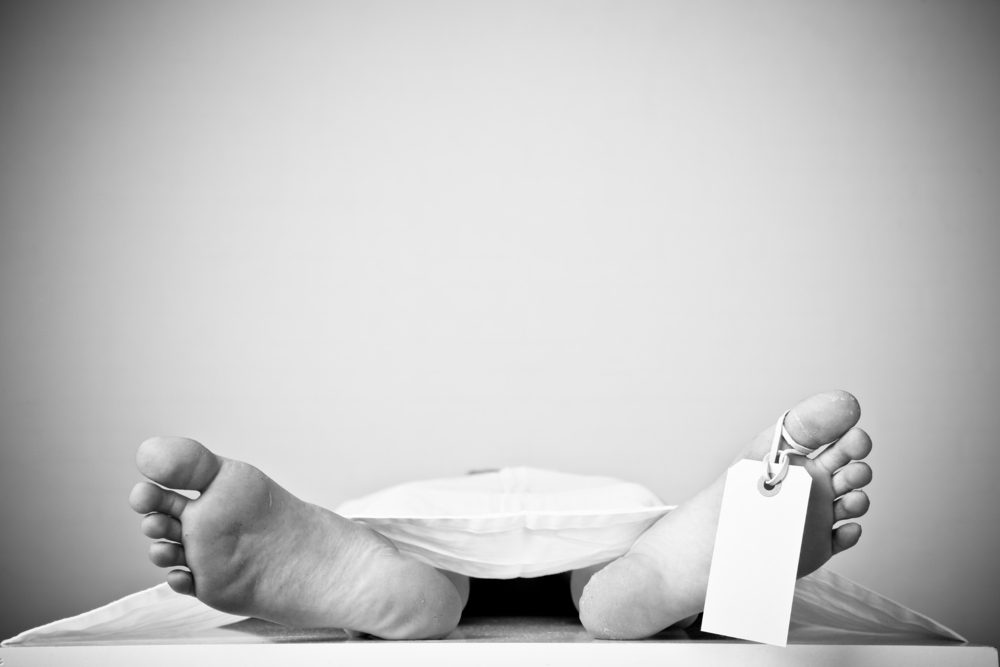
However, in the case of a corpse, which can no longer produce ATP, it becomes very rigid due to a process called rigor mortis. Without the necessary energy, muscles cannot move in any way. They cannot relax or contract voluntarily and remain stuck in one position.
Rigor mortis is one of the initial stages of death. In the first few hours, it affects smaller muscles, such as facial muscles, and then progresses to larger muscles throughout the body. After the completion of the process, the muscles relax once again.
All these phenomena have been explained by experts and have often become popular myths or sources of inspiration in art. Thanks to science, we now have a much better understanding of the human body than people did several decades ago.
Which of the seven strange phenomena that the human body can exhibit after death did you find most interesting? Let us know your thoughts in the comments.
For more mind-bending articles, check out Homo Sapiens: 5 Interesting Facts You Didn’t Know