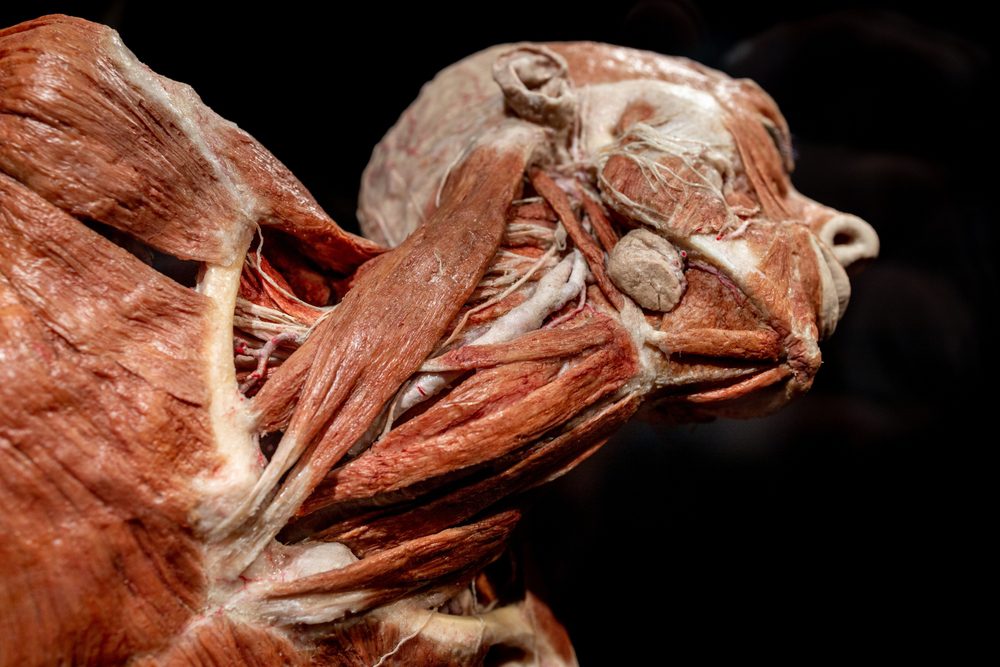
2. Muscles can still move
As mentioned, there are many things our body can do even when it is no longer alive. One of these fascinating things is muscle contractions.
These muscle contractions are not the ones we do voluntarily because the brain no longer sends signals to the muscles. These post-mortem phenomena are categorized into 3 types of autonomous muscle movements.
Rigor mortis. Generally, a few hours after death, the muscles of the corpse can become stiff and contract involuntarily. This is due to the accumulation of lactic acid in the muscles. Rigor mortis disappears after a certain period, usually a few days.
Cadaveric spasms. These refer to uncontrolled muscle contractions that can occur when certain nerves are stimulated or irritated during the handling of the corpse or as a result of chemical processes that occur within the body.
Passive muscle contractions. When a dead body is manipulated, this type of contraction may occur as a response to the pressure or movement applied to it.
It is important to note that these phenomena occur mainly due to movements or chemical and biological processes within the corpse and certainly do not indicate a return to life.