
Your brain orchestrates thousands of complex physiological and cognitive processes every second without requiring a single conscious command. Behind the scenes of your daily routine, a dense network of eighty-six billion neurons constantly edits your visual field, filters out irrelevant background noise, and even bends your perception of time to keep you functioning smoothly. If you had to manually control these background operations, your cognitive load would instantly overwhelm you. Instead, this neurological autopilot acts as a silent guardian, seamlessly translating chaotic sensory inputs into a coherent, stable reality. Understanding these hidden mechanisms grants you a profound appreciation for your biological hardware and equips you to spot the fascinating glitches that reveal how your mind truly operates.
The Evidence Trail: 10 Hidden Brain Processes

1. Editing Out Your Visual Blind Spot
Every human eye contains a structural flaw where the optic nerve passes through the retina, leaving a small patch entirely devoid of light-detecting photoreceptors. You never perceive this dark void because your visual cortex operates like an advanced photo editor. It analyzes the colors, patterns, and textures surrounding the blind spot and instantly hallucinates a seamless patch to fill the gap. You navigate the world completely unaware that a portion of your field of vision is entirely fabricated by your neurological software. Researchers studying visual perception consistently note how quickly and flawlessly this rendering occurs, proving that your brain values a cohesive picture over absolute reality.

2. Catching Micro-Naps Every Time You Blink
Blinking does much more than just lubricate your corneas. On average, you blink fifteen to twenty times per minute, plunging yourself into total darkness for about a tenth of a second each time. Instead of registering these constant blackouts, your brain stitches the visual feed together to create the illusion of uninterrupted sight. More importantly, functional magnetic resonance imaging shows that during these tiny moments of darkness, your brain momentarily powers down its attention network. According to research published in the Proceedings of the National Academy of Sciences, blinking briefly activates the default mode network. This rapid switch gives your mind hundreds of crucial cognitive micro-rests throughout the day, preventing neural fatigue.
3. Pausing Time When You Move Your Eyes
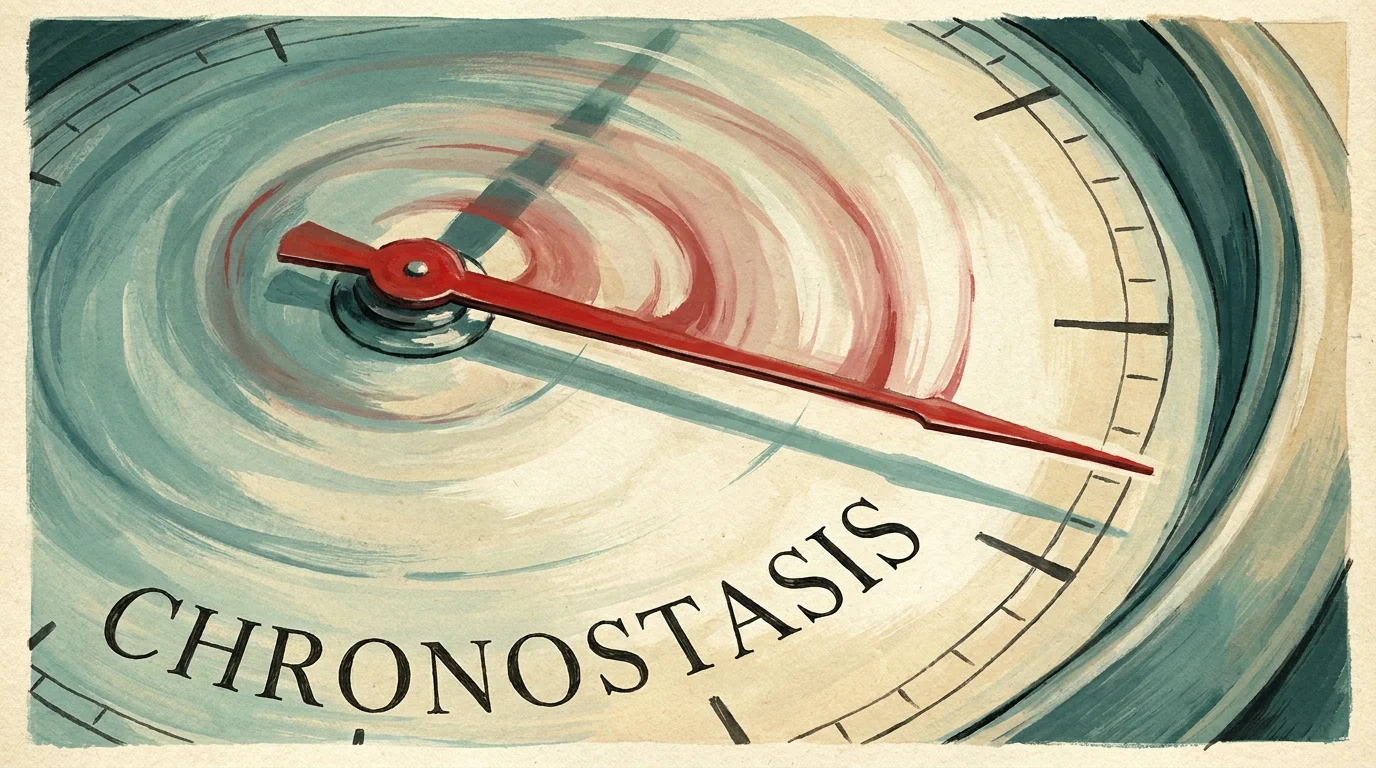
Have you ever glanced at a ticking analog clock and felt like the second hand hovered just a fraction of a second too long? This phenomenon goes by the name chronostasis. When you rapidly shift your eyes from one point to another—a movement called a saccade—your vision momentarily becomes a blurry, useless mess. To protect you from crippling motion sickness, your brain selectively blocks the blurred visual data and retroactively fills the timeline with the sharp image your eyes finally land on. According to the scientific literature tracking temporal illusions, your mind literally rewrites your recent memory, making you feel as though time briefly stood still to preserve a continuous visual narrative.

4. Locking Onto Your Name in a Crowded Room
The cocktail party effect demonstrates the sheer power of your selective auditory attention. When you stand in a noisy room filled with dozens of overlapping conversations, your auditory cortex actively suppresses the chaotic background chatter so you can focus on the person standing in front of you. However, the moment someone across the room mentions your name, your attention snaps toward the source. Your brain constantly scans the acoustic environment for high-priority signals without your conscious permission. It acts as a vigilant background scanner, instantly elevating relevant data to your conscious awareness the second it detects a point of personal interest.
5. Overriding Your Hearing With Your Vision
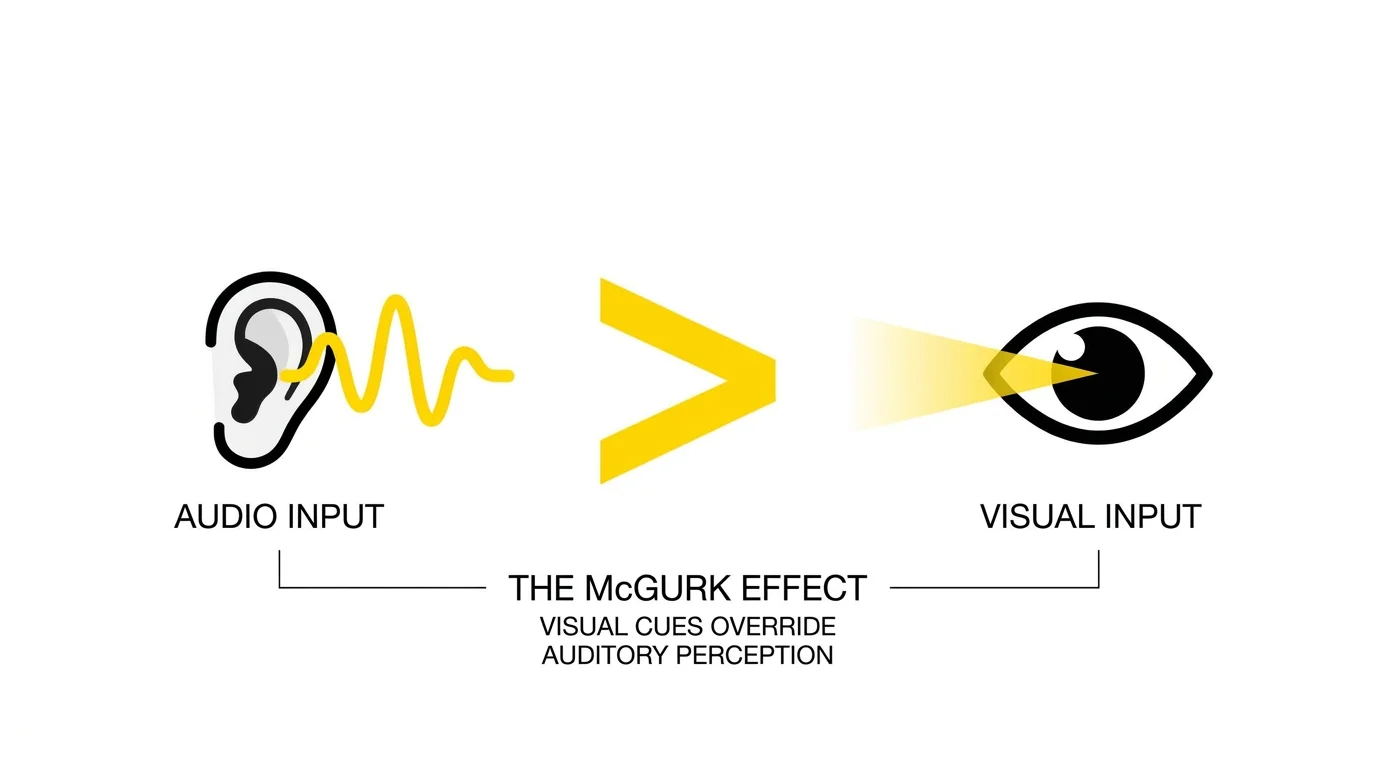
You rely heavily on your hearing to understand speech, but your visual processing center holds a surprising amount of veto power over your ears. The McGurk effect perfectly illustrates this sensory hijacking. If you watch a video of a person mouthing the sound “ga” while an audio track plays the sound “ba,” your brain often splits the difference and makes you hear “da.” Your mind automatically assumes that your ears misheard the sound because the visual evidence contradicts the acoustic data. This automatic lip-reading happens flawlessly during every conversation, proving that your sensory networks constantly negotiate with each other to construct a single version of reality.

6. Finding Faces in Inanimate Objects
You easily spot a scowling face in the front grill of a car or a cheerful smile in a slice of burnt toast. This automatic facial recognition stems from pareidolia, a fascinating byproduct of your evolutionary wiring. The human brain dedicates a specific region called the fusiform face area exclusively to identifying faces. Because recognizing friends, foes, and family members kept early humans alive, your mind aggressively over-applies this software to random patterns and shapes. Your brain greatly prefers to trigger a false alarm by seeing a face in the clouds rather than missing a genuine threat hiding in the bushes.
7. Filtering Out the Sensation of Your Clothes
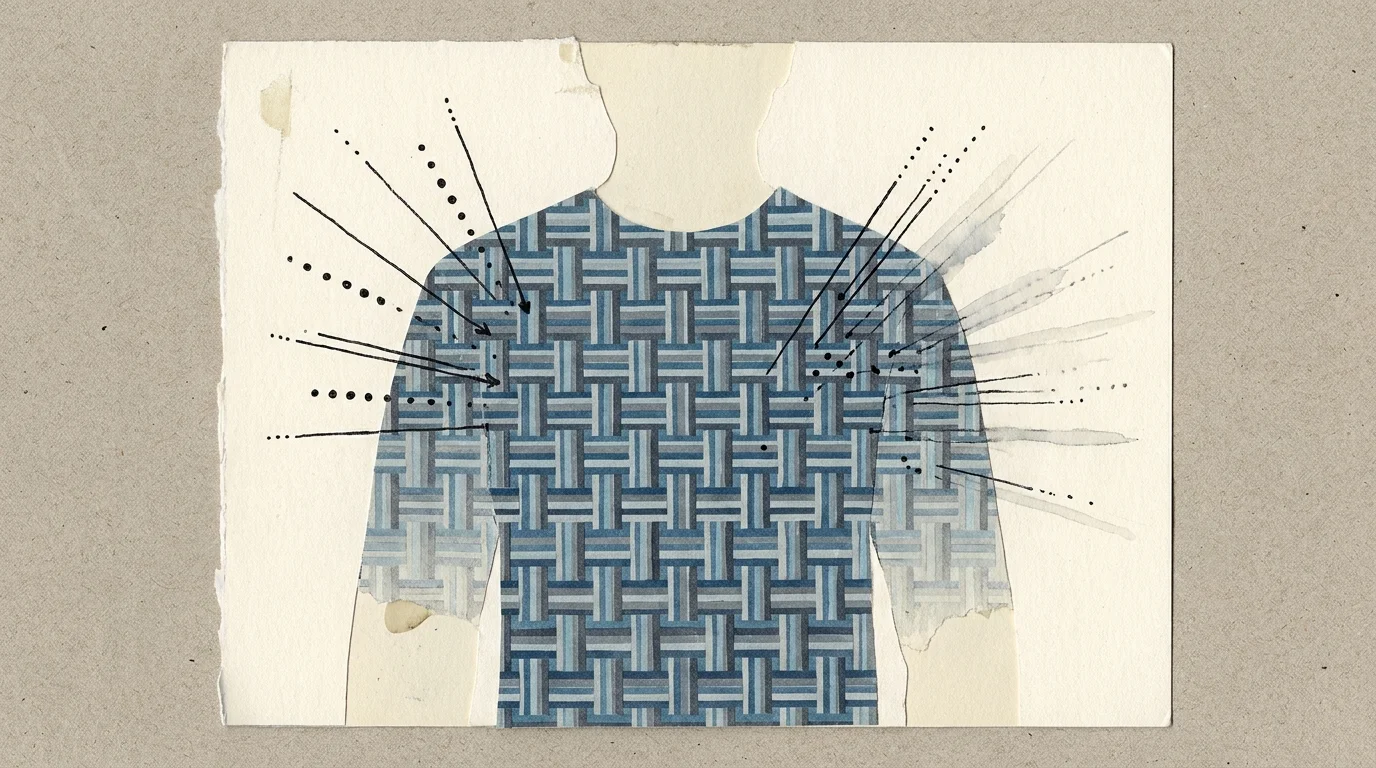
The moment you pull on a sweater, millions of nerve endings across your skin fire a massive barrage of tactile data directly to your somatosensory cortex. Yet, within minutes, you completely stop feeling the fabric against your body. This process relies on a mechanism called sensory adaptation. Your nervous system functions as an incredibly strict spam filter, actively muting continuous, unchanging stimuli to conserve precious processing power. If your brain did not aggressively delete this static noise, the sensation of your socks, your wristwatch, and the chair beneath you would consume all your mental bandwidth.
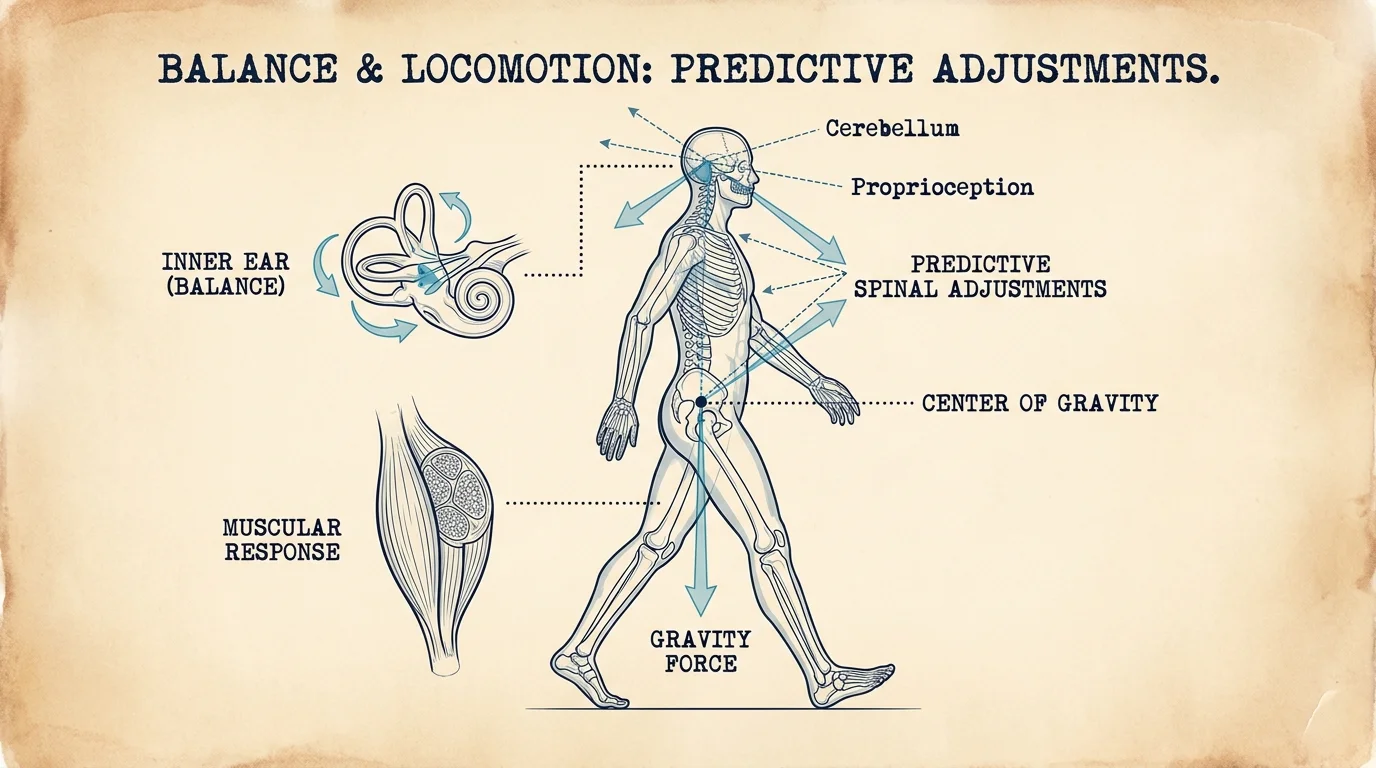
8. Predicting and Correcting Your Posture
Standing still looks completely effortless, but it requires massive computational power. Gravity constantly tries to pull you to the floor. To keep you upright, your brain relies on proprioception, which is your innate sense of where your body parts exist in physical space. Sensory receptors in your muscles and joints fire non-stop data to your cerebellum. Your brain instantly calculates the exact amount of tension required in your calves, thighs, and core to counteract gravity, making dozens of micro-adjustments every second. You remain perfectly balanced because your nervous system constantly plays an invisible, complex game of physics.

9. Replaying Memories During Quiet Moments
When you finally sit down and zone out while staring out the window, your brain shifts into a highly active state of memory consolidation. Researchers studying human cognition observe that during periods of wakeful rest, your hippocampus automatically replays recent experiences at hyper-speed. Studies tracked by the National Institutes of Health confirm that this accelerated mental playback strengthens the neural pathways associated with new skills and information, transferring them into long-term storage. You do not have to consciously review the events of your day; your mind handles the heavy lifting of learning and memory formation whenever you give it a few quiet minutes of downtime.
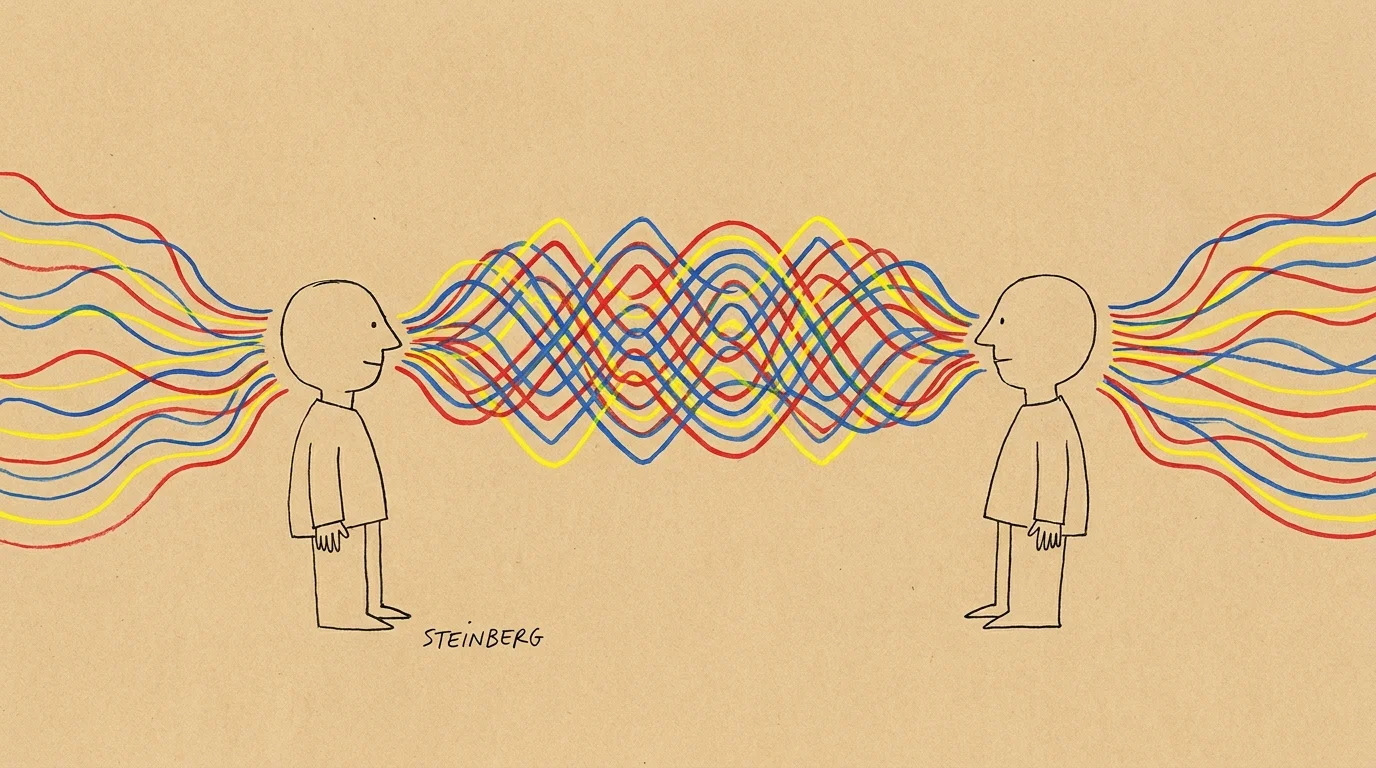
10. Syncing Brain Waves With Your Conversation Partner
When you engage in a deep, captivating conversation, your brain attempts to physically mirror the person sitting across from you. Neuroscientists track a phenomenon known as neural entrainment, where the electrical activity in your brain synchronizes with the brain waves of the person speaking. As you listen and process their story, your auditory cortex, language centers, and emotional processing hubs begin firing in the exact same rhythmic patterns. Your brain automatically builds a shared neural architecture to facilitate empathy and communication, literally placing you on the same wavelength as your companion without any conscious effort.
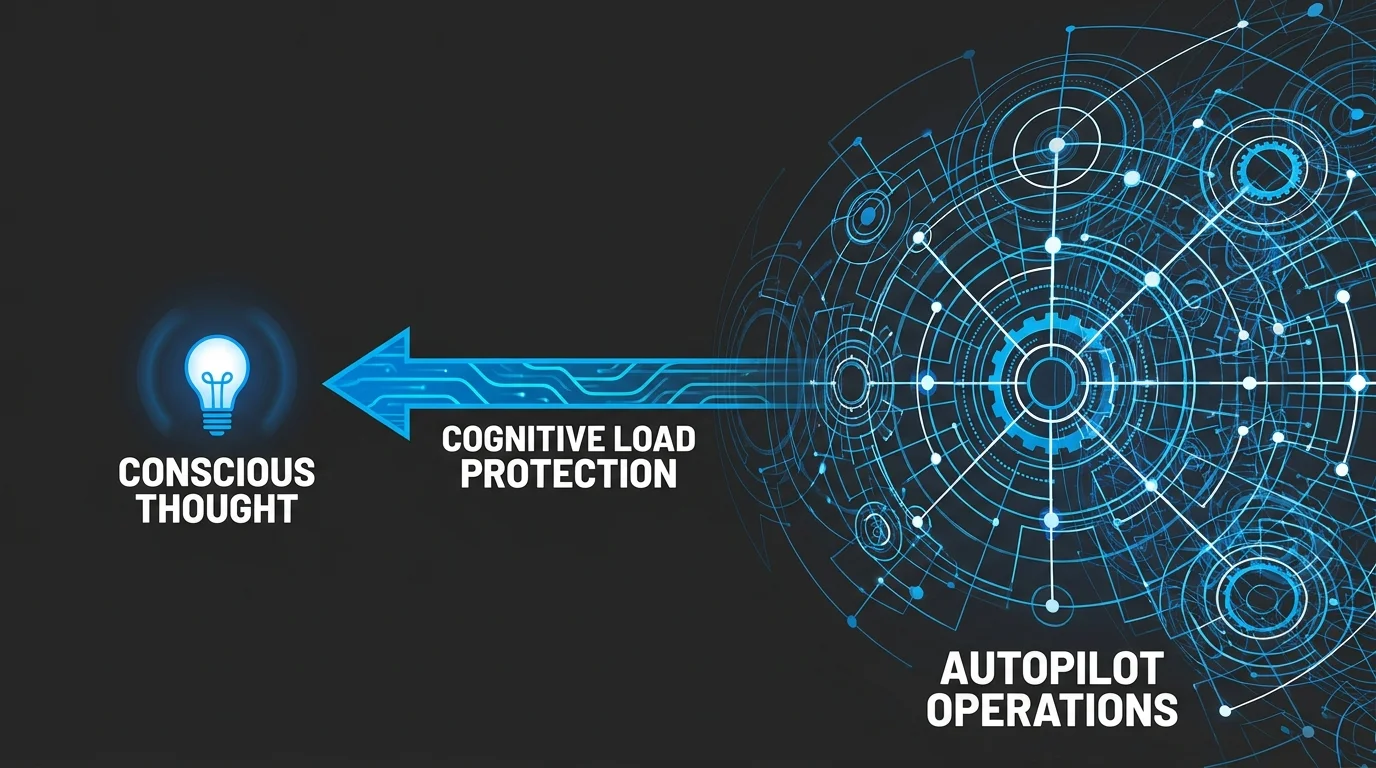
Meaning and Context: Why Your Brain Runs on Autopilot
The human brain accounts for roughly two percent of your total body weight, yet it consumes a staggering twenty percent of your daily caloric energy. Evolution shaped this vital organ to be as energy-efficient as possible. Conscious thought requires massive amounts of glucose and oxygen. If you had to consciously instruct your visual cortex to stitch together blind spots or command your cerebellum to balance your weight, your brain would quickly deplete its energy reserves and trigger severe cognitive fatigue.
Delegating these relentless tasks to background networks ensures your survival. By automating facial recognition, sensory filtering, and posture correction, your brain frees up its precious conscious bandwidth for higher-order problem-solving, planning, and reacting to sudden threats. This division of labor represents millions of years of evolutionary refinement. The bizarre illusions you occasionally experience—like seeing a stopped clock or hearing a mismatched sound—are not flaws in the system. They represent the necessary compromises your brain makes to deliver a fast, cohesive, and actionable version of reality.

Everyday Impact: Harnessing Your Unconscious Mind
You can use the knowledge of these automatic processes to optimize your daily routine and improve your mental well-being. Recognizing how sensory adaptation works explains why a cluttered workspace eventually becomes invisible to you, even as it subtly drains your focus. Periodically changing your environment forces your brain to re-evaluate your surroundings, keeping your mind sharp and engaged.
Additionally, understanding the power of the default mode network highlights the absolute necessity of taking true breaks. Staring at a smartphone screen does not allow your brain to enter wakeful rest. To effectively consolidate memories and recharge your attention network, you must allow yourself to zone out completely. Embrace moments of boredom, close your eyes, and let your mind wander. Giving your brain these brief windows of downtime drastically improves your memory retention, emotional regulation, and overall cognitive performance.
Frequently Asked Questions
Can you train your brain to stop running these automatic processes?
You cannot completely disable these fundamental neurological functions, nor would you want to. They are hardwired into your nervous system to keep you functional and safe. However, you can use mindfulness techniques to bring certain automatic processes, like your breathing or your postural adjustments, into your conscious awareness temporarily.
Does an overactive autopilot lead to cognitive fatigue?
Actually, the autopilot prevents cognitive fatigue. Conscious decision-making drains your mental energy much faster than automatic processing. When you experience mental exhaustion, you have usually overburdened your conscious working memory, not your unconscious background networks.
How do scientists measure these unconscious brain activities?
Neuroscientists use a variety of advanced imaging technologies to track automatic brain functions. Functional magnetic resonance imaging tracks blood flow to active brain regions, while electroencephalograms measure the electrical impulses of firing neurons. These tools allow researchers to observe phenomena like neural entrainment and default mode network activation in real-time.
Does neuroplasticity change how these automatic functions work over time?
Yes, neuroplasticity allows your brain to refine its automatic processes based on repeated experiences. For example, learning to ride a bicycle initially requires intense conscious effort. Over time, your brain rewires its neural pathways, moving the complex motor skills and balance calculations into the realm of automatic, unconscious processing.
Curiosity Close: Keep Exploring Your Inner Cosmos
Your brain remains the most complex and fascinating structure in the known universe. Every moment of every day, it quietly performs billions of calculations to stitch together the vivid tapestry of your reality. The next time you blink, recognize a face, or catch yourself zoning out, take a moment to appreciate the incredible neurological machinery operating just beneath the surface of your awareness. Keep questioning your perceptions, dive into reputable neuroscience journals, and share these mind-bending facts with anyone curious enough to look past the illusion of everyday life.