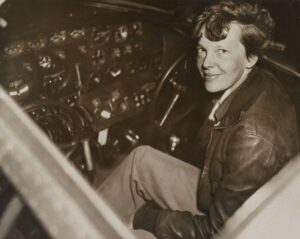
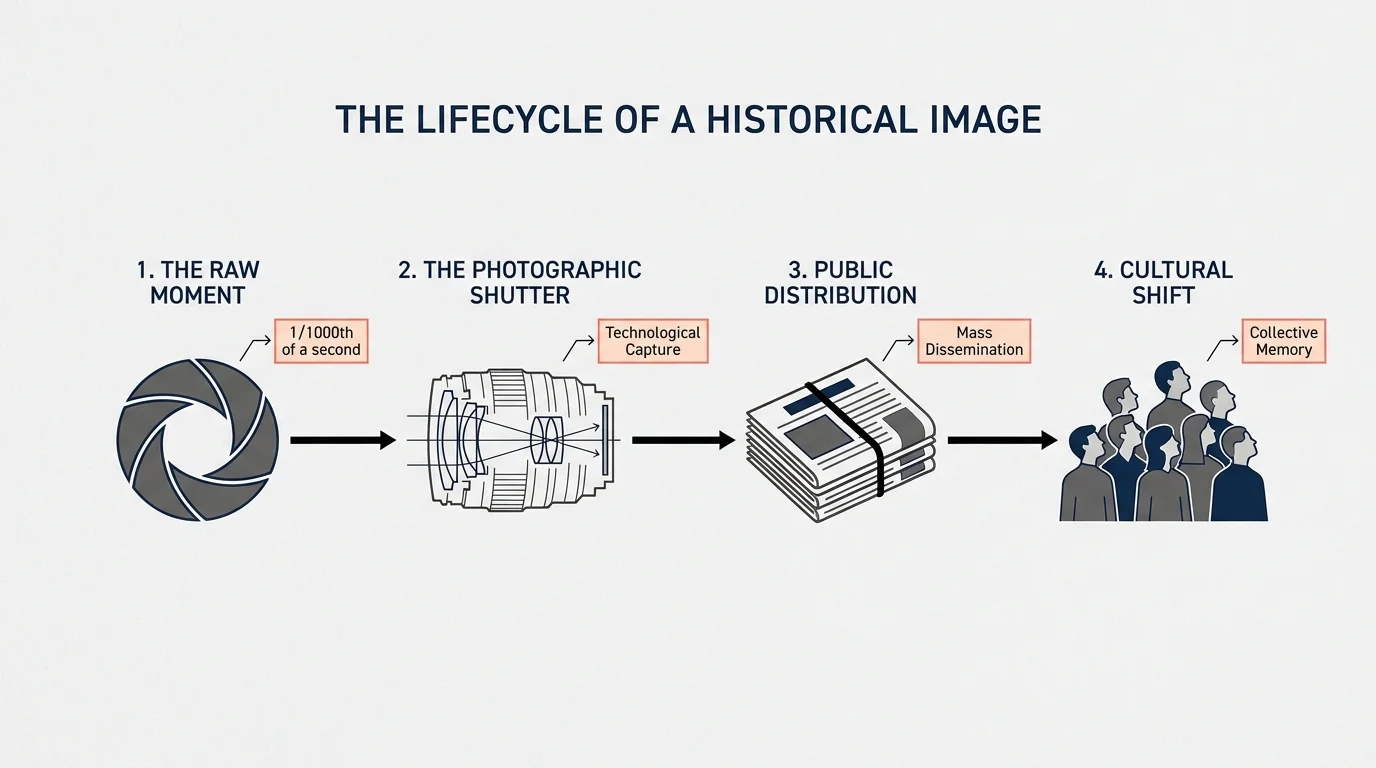
You can look at a single frame of film and completely change your understanding of human history. When a photographer clicks the shutter at the exact right millisecond, they preserve a raw, unfiltered truth that challenges textbooks and collective memory. A handful of iconic historical photos have shattered myths, exposed hidden realities, and reshaped culture across the globe. From the grim realities of American history during the Great Depression to the sheer scale of the cosmos seen from orbit, these old photos provide practical insights into how humanity survives, rebels, and triumphs. You will discover exactly how ten remarkable images redefined our relationship with the past and why visual evidence remains our most powerful tool for truth.
The Evidence Trail: Documenting Human Triumphs and Tragedies
1. Earthrise and the Environmental Awakening
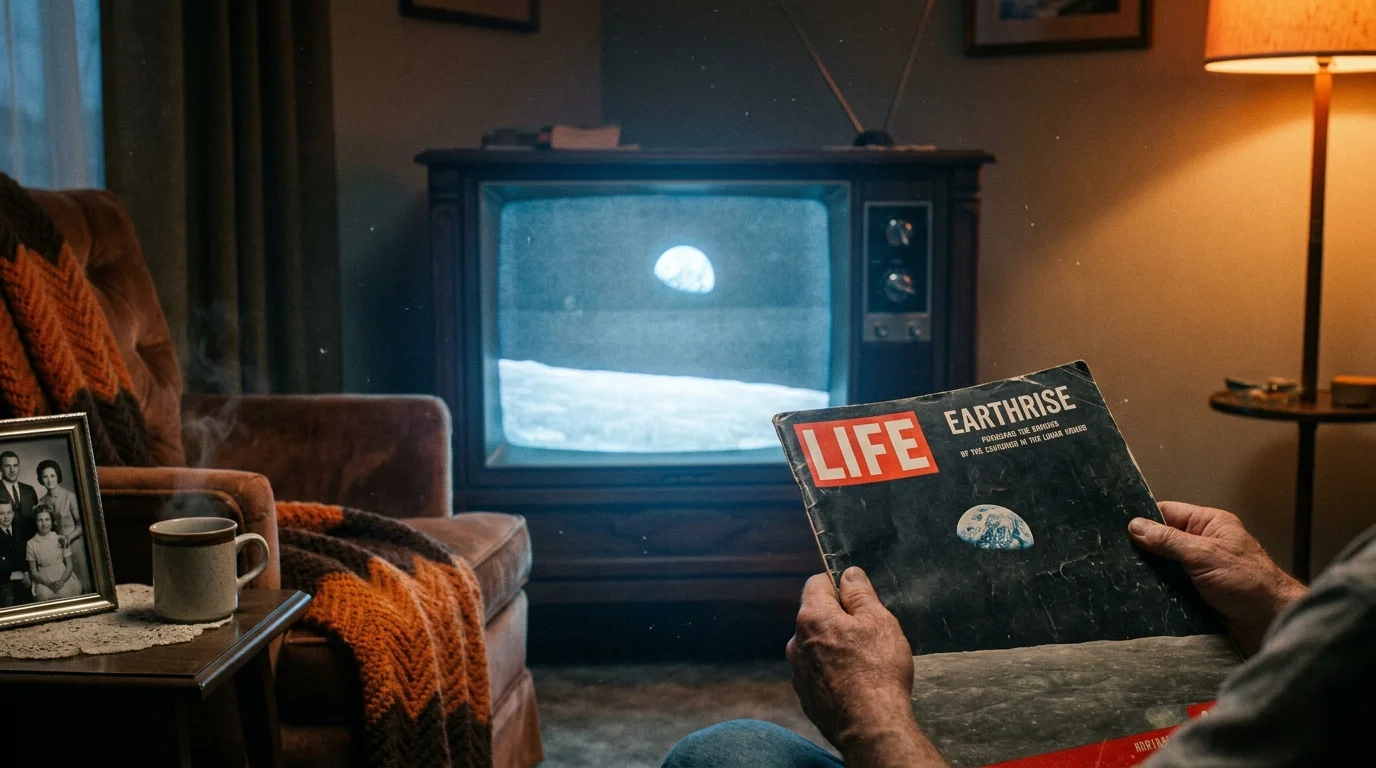
When Apollo 8 astronaut William Anders pointed his camera out the lunar module window in 1968, he captured a sight no human had ever documented; our vibrant blue planet rising over a desolate lunar horizon. Before Earthrise, society viewed the world as an infinite expanse of resources. After this publication, the environmental movement gained unprecedented traction. According to the NASA historical archives, this visual confirmation of our fragile isolation in space provided a perspective shift that endless scientific papers could never achieve.
2. Migrant Mother and the Face of Economic Despair
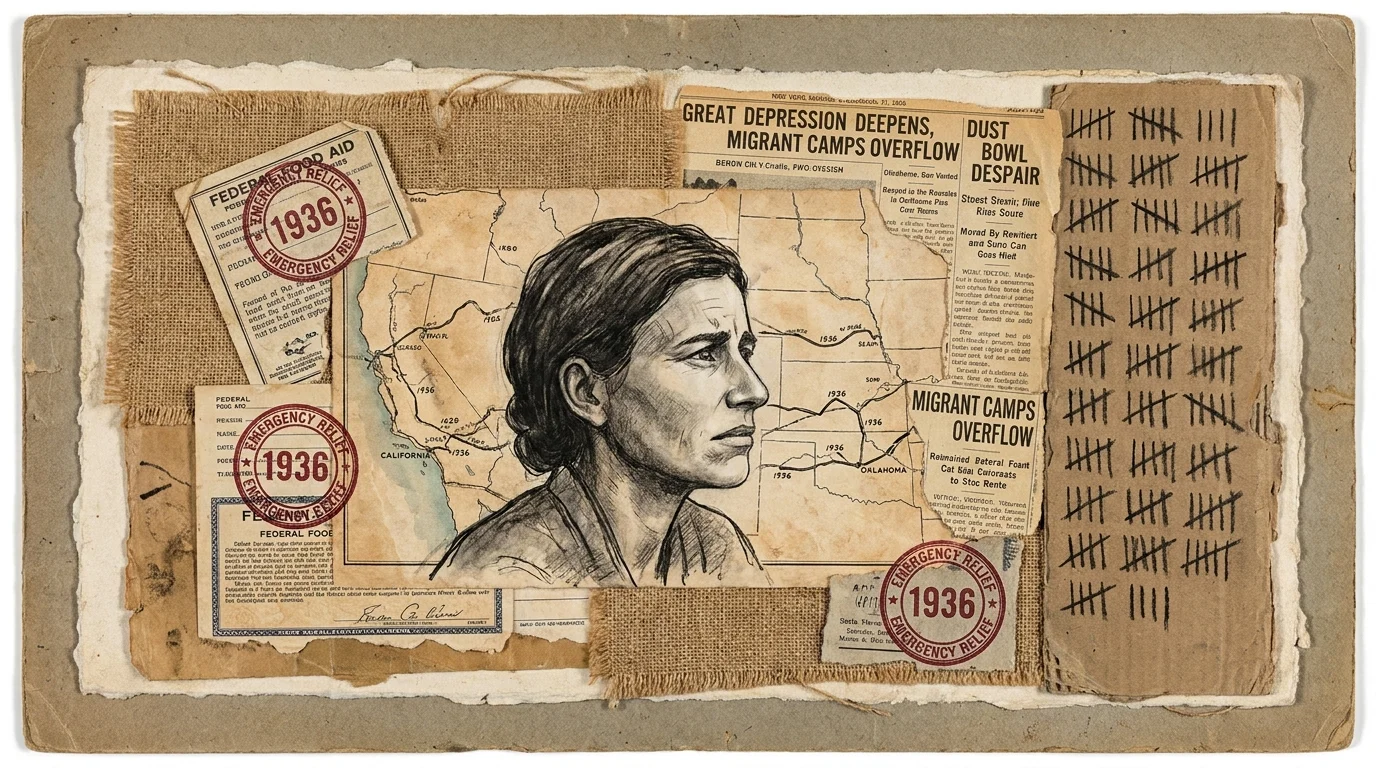
Photographer Dorothea Lange put a deeply human face on the economic devastation of America history when she photographed Florence Owens Thompson in 1936. The resilient expression of a mother surrounded by huddled children instantly became the defining symbol of the Great Depression. This image drove immediate political action, prompting federal food aid. Decades later, Library of Congress documentation confirms that this portrait forces you to confront the visceral reality of historical hardship, translating abstract economic failure into personal tragedy.
3. American Gothic and the Exposure of Inequality
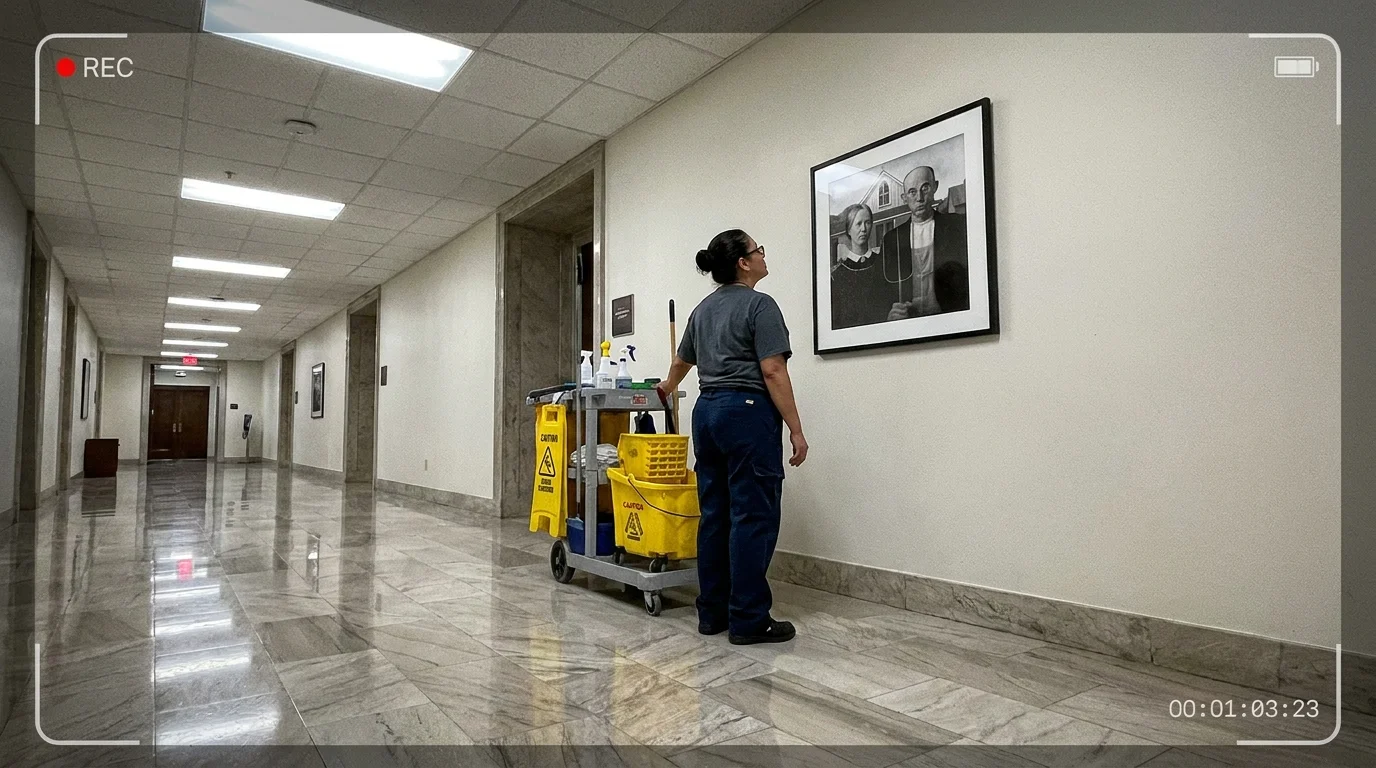
In 1942, Gordon Parks aimed his lens at Ella Watson, a Black cleaning woman working in the Farm Security Administration building, to expose the glaring hypocrisy at the heart of the nation’s capital. He posed her holding a broom and a mop, standing before the American flag. This brilliant subversion laid bare the racial inequalities entrenched within American culture. When you view this image through the National Gallery of Art collection, you understand how visual irony forces society to reckon with unfulfilled promises of liberty.
4. Tank Man and the Power of Defiance
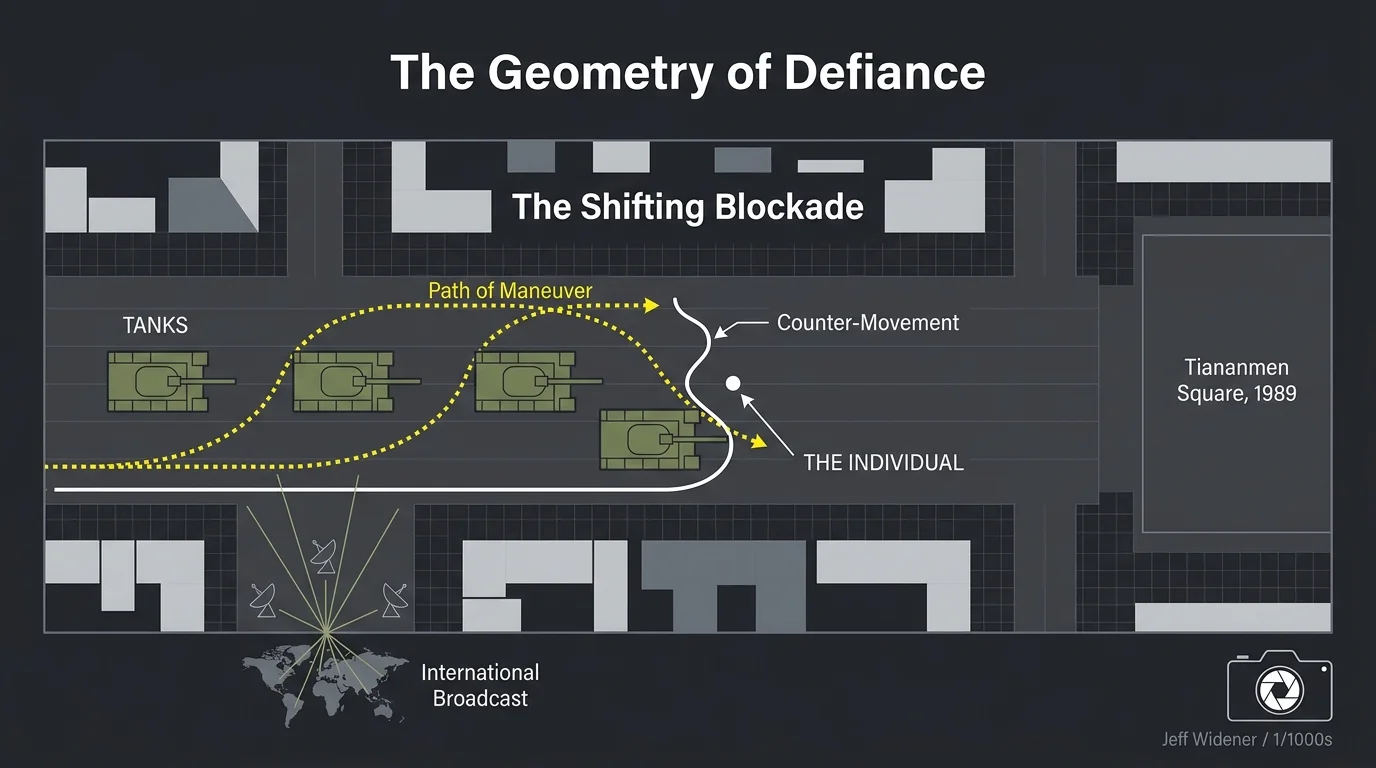
One unidentified man holding shopping bags stepped in front of a column of advancing tanks in Beijing’s Tiananmen Square in 1989, and Jeff Widener captured the exact moment of defiance. As the tanks maneuvered, the man repeatedly shifted his position to block their path. TIME magazine retrospective records highlight how this frame bypassed heavy censorship to become an unforgettable testament to the power of individual courage against an authoritarian military machine, proving that simple acts of bravery resonate eternally.
5. The First Flight and Proof of Aviation
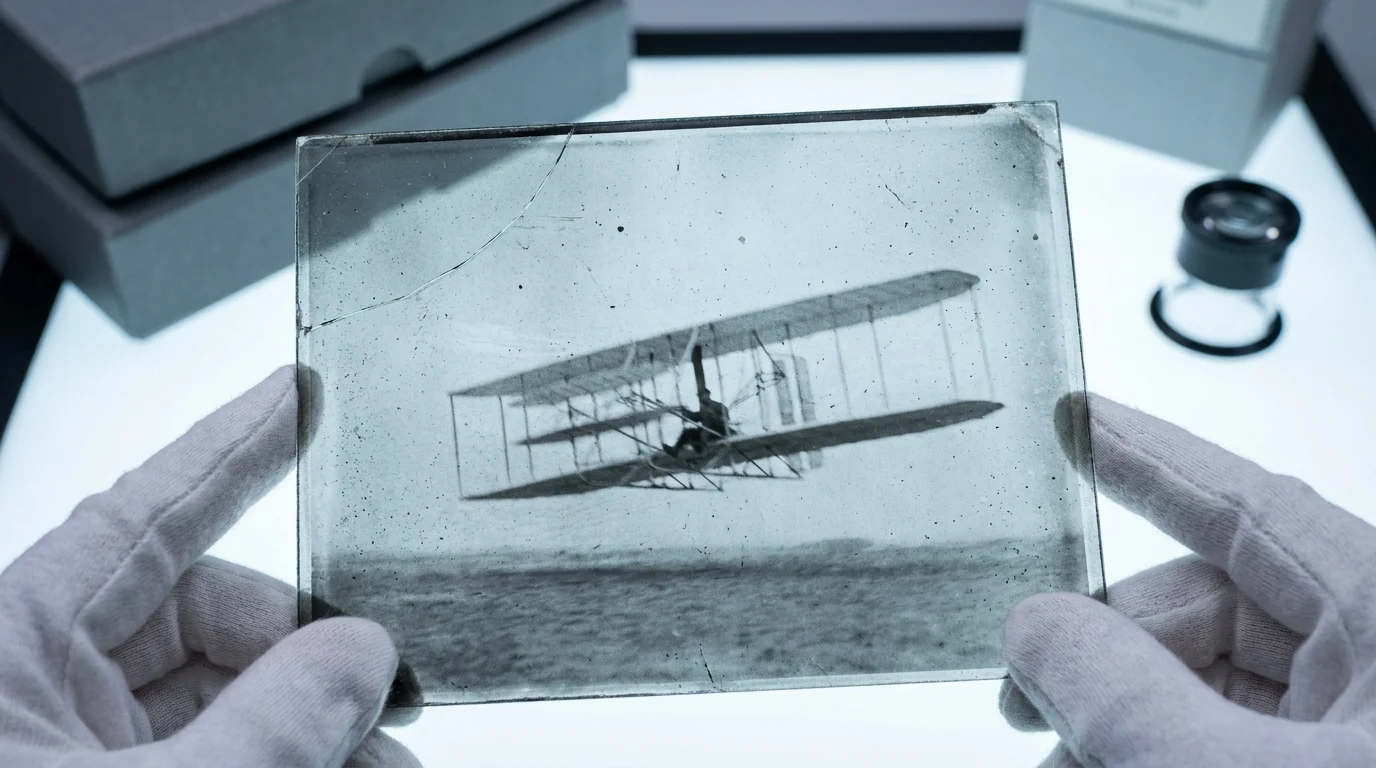
John T. Daniels squeezed the rubber bulb of a camera at the exact second the Wright Flyer lifted off the dunes of Kitty Hawk in 1903. Many authorities previously dismissed powered human flight as elaborate hoaxes. This single frame supplied the undeniable, concrete proof required to validate the greatest technological leap of the era. Examining the plate preserved by the Smithsonian National Air and Space Museum allows you to witness the precise dawn of the aviation age that permanently shrank the globe.
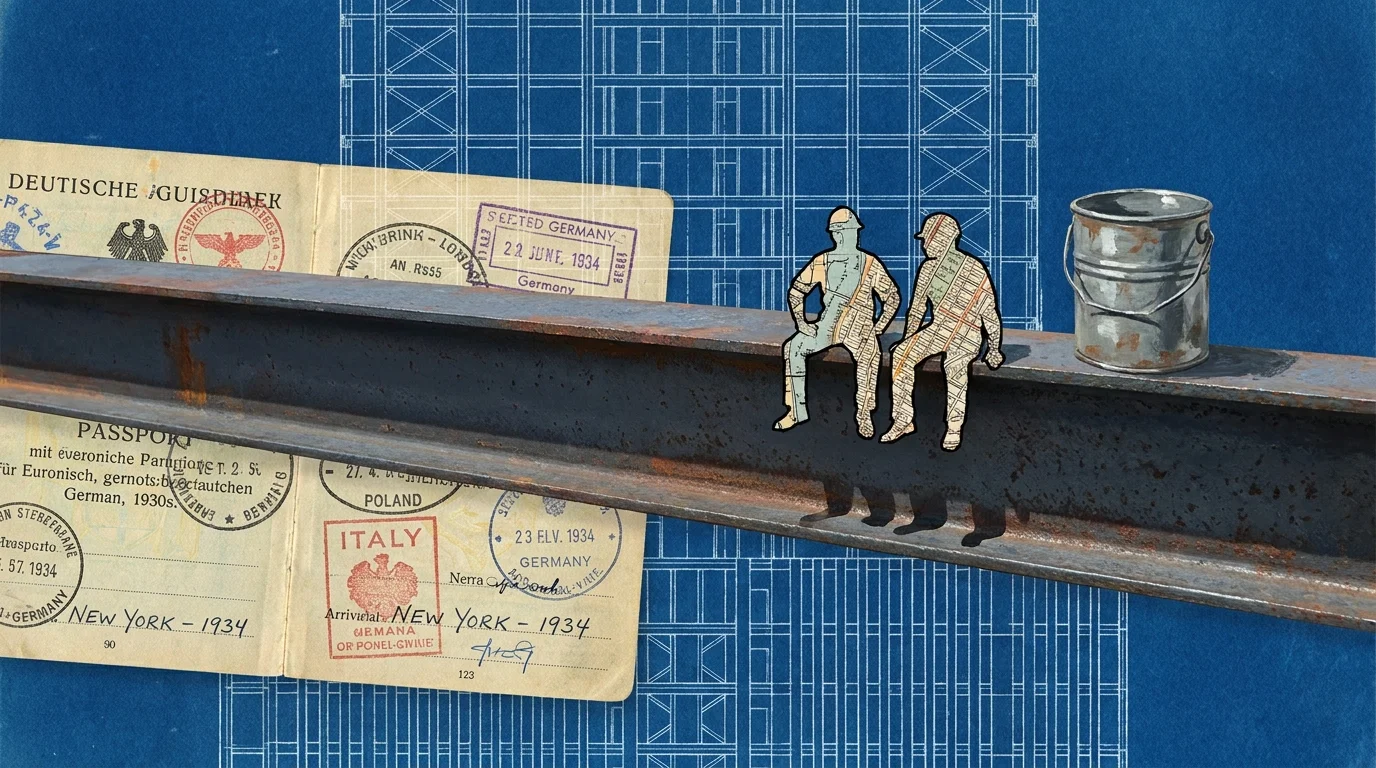
6. Lunch Atop a Skyscraper and Immigrant Grit
Charles C. Ebbets immortalized eleven ironworkers eating lunch while dangling 850 feet above the streets of New York City on a steel beam in 1932. This dizzying perspective offers profound insight into the grit that built modern urban landscapes. The men sit without harnesses, casually sharing cigarettes and sandwiches. The picture serves as a powerful tribute to the labor force fueling American expansion. It reminds you that the towering achievements of modern civilization rest entirely on workers taking extraordinary risks to feed their families.
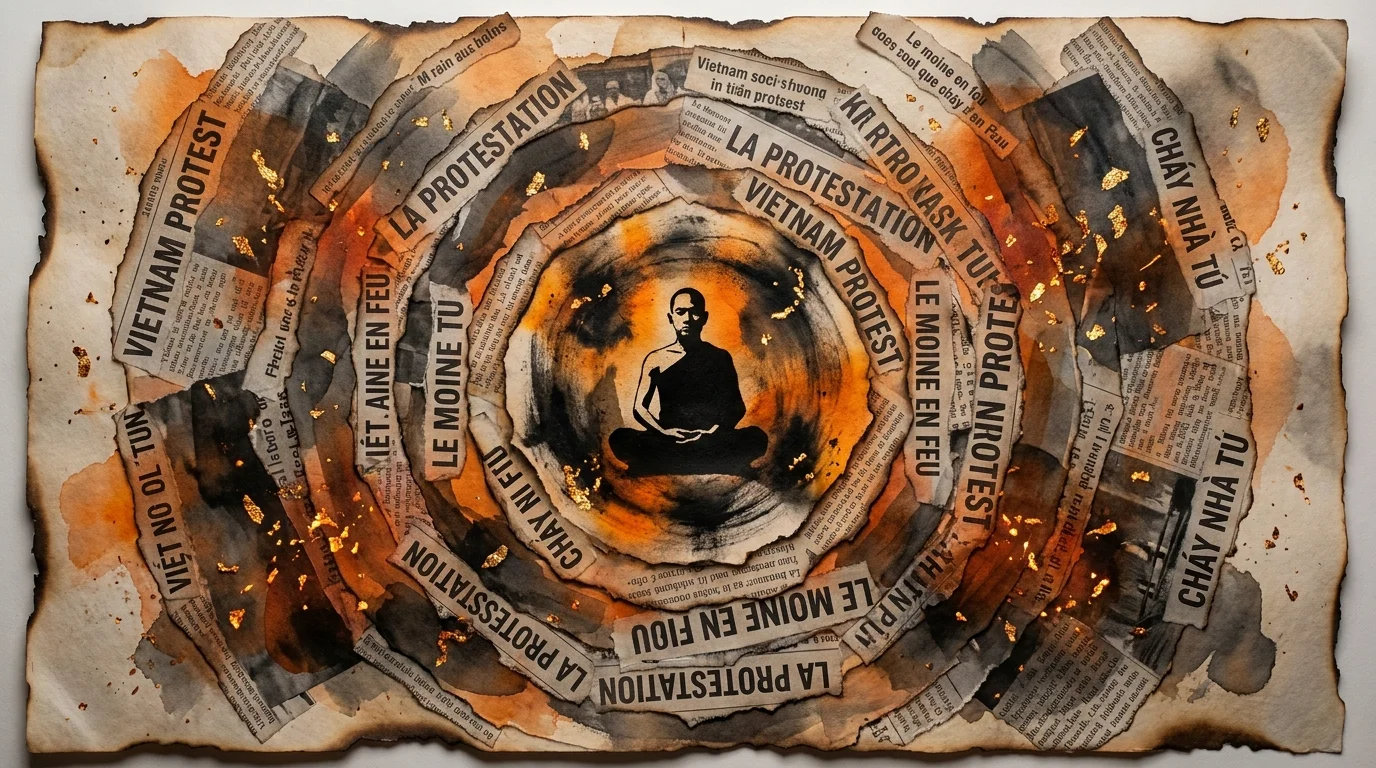
7. The Burning Monk and International Shockwaves
Malcolm Browne photographed Vietnamese monk Thich Quang Duc calmly burning himself to death at a busy Saigon intersection in 1963. The sheer composure of the monk amidst raging flames created a psychological shockwave around the world. This brutal visual evidence landed directly on international desks, radically altering foreign policy. This image demonstrates exactly how severe personal sacrifice, when documented clearly, can trigger immediate and massive shifts in global public outrage and compel immediate governmental action.
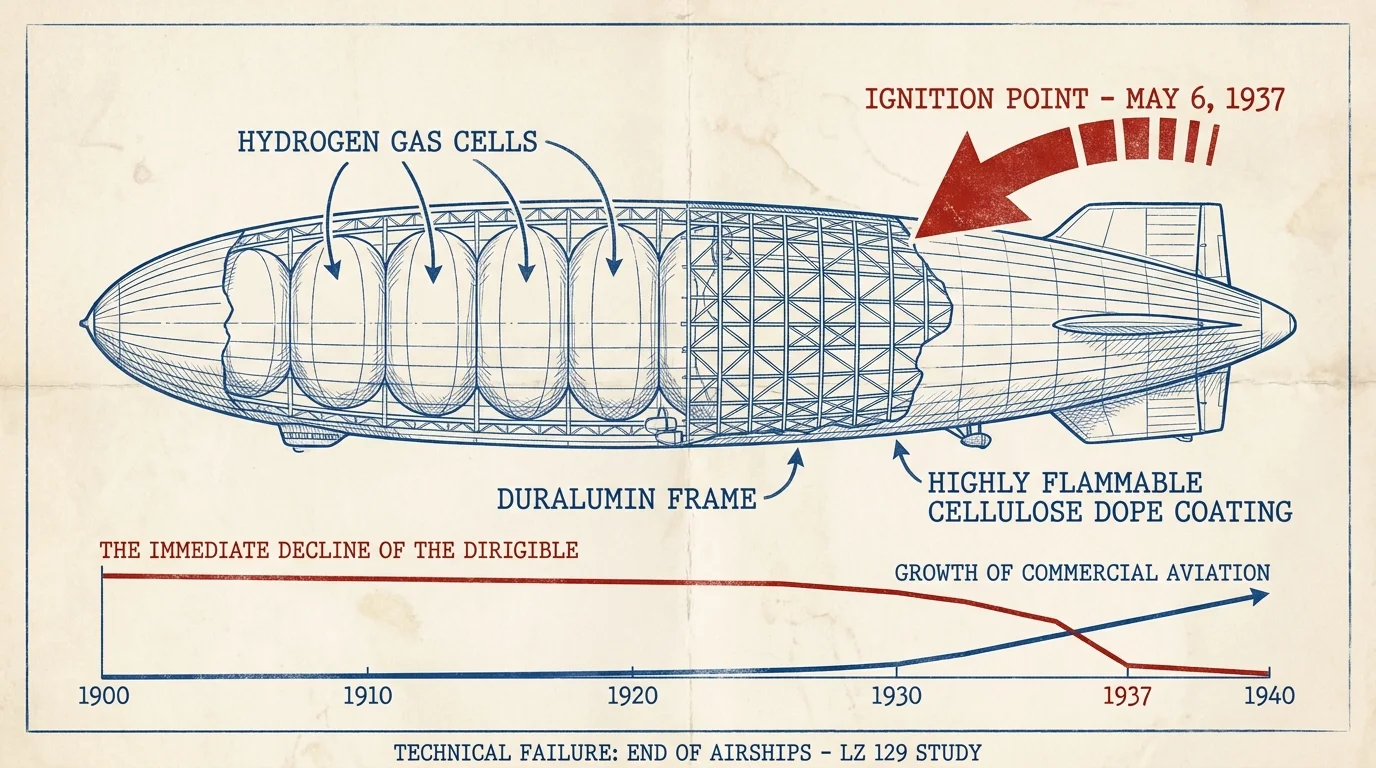
8. The Hindenburg Disaster and the End of Airships
Sam Shere reacted entirely on instinct when he snapped the explosive destruction of the LZ 129 Hindenburg airship in 1937. The massive zeppelin erupted in flames and plummeted to the ground in under forty seconds. This single catastrophic event instantly destroyed public confidence in passenger airships, ending an entire era of aviation history overnight. Studying the horrific scale of the fire quickly helps you understand why the world rapidly abandoned hydrogen-filled transport.
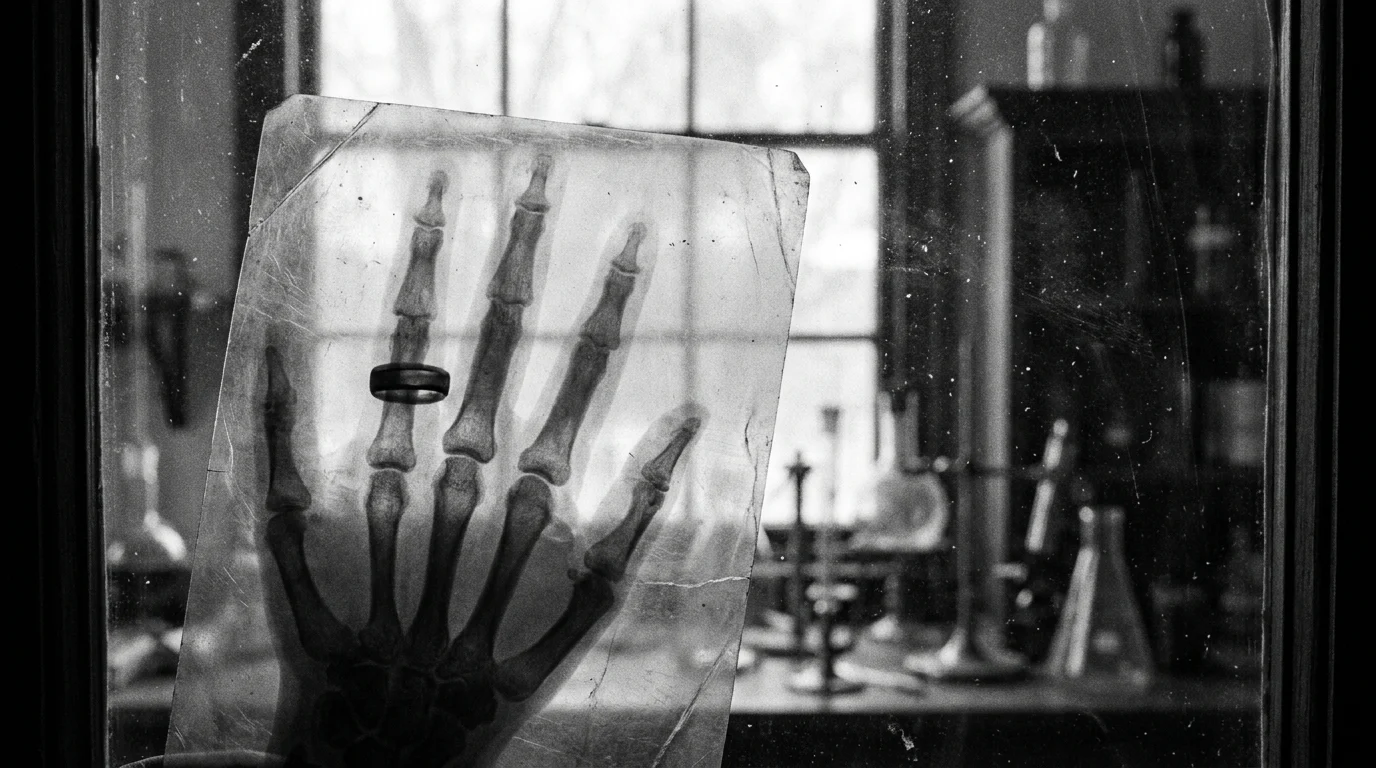
9. The First Medical X-Ray and Internal Discovery
Wilhelm Conrad Röntgen revolutionized science without realizing the full implications of his work when he captured an X-ray image of his wife’s hand in 1895. The photograph clearly reveals her skeletal structure and heavy wedding ring, shrouded by the ghostly outline of her flesh. This unprecedented image proved that humanity could look inside the living body without making a single incision. It transformed modern medicine overnight. Whenever you receive a routine medical scan today, you are benefiting directly from the legacy of this haunting photographic history.
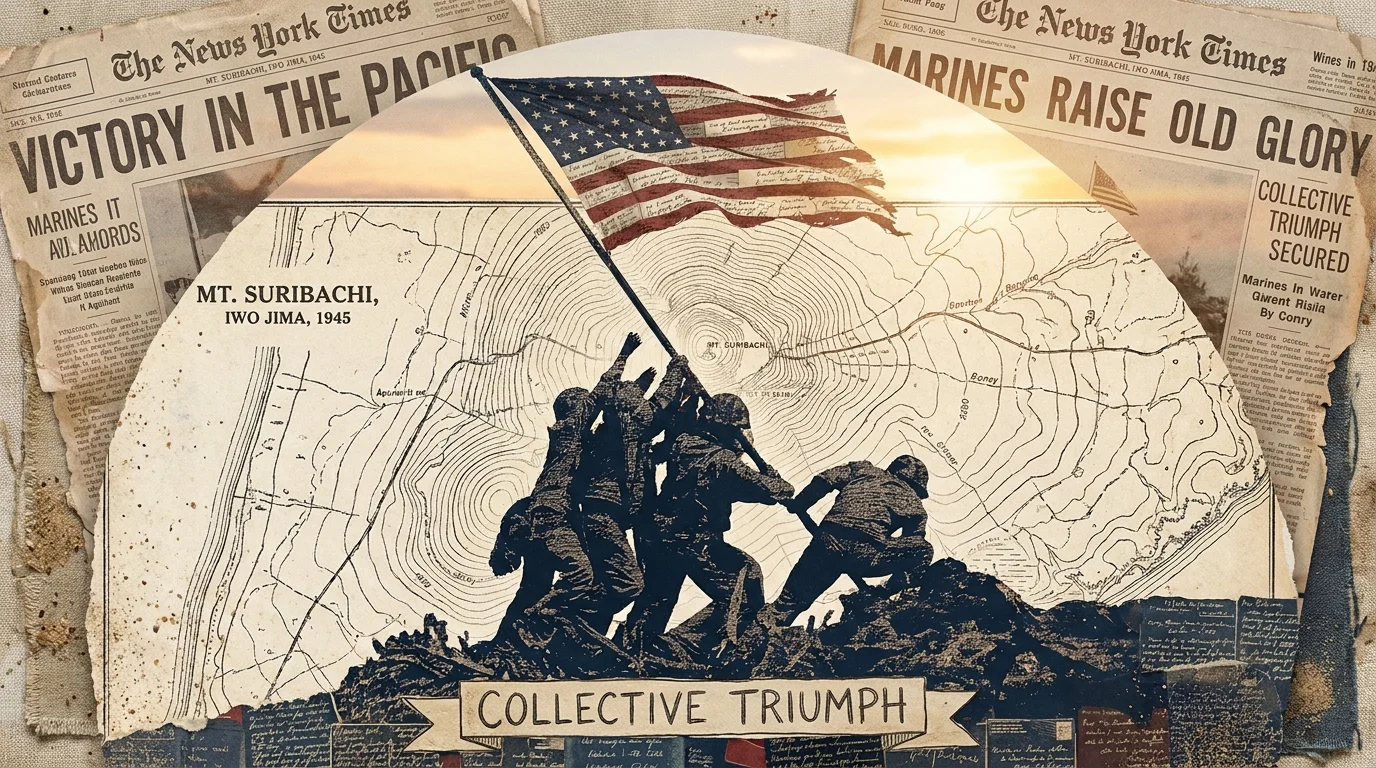
10. Raising the Flag on Iwo Jima and Collective Triumph
Joe Rosenthal secured his place in history by photographing six United States Marines raising the American flag atop Mount Suribachi during the brutal late stages of World War II. The struggling men straining to lift the flagpole created a masterpiece of visual storytelling. The image perfectly captured the exhaustion, teamwork, and hard-fought triumph of the Pacific theater. It remains the most reproduced photograph in American history, continually reminding you of the massive collective human cost required to secure global freedom.
Meaning and Context: How Old Photos Anchor Our Memory
Historical photos function as much more than mere illustrations for textbooks; they act as robust anchors against the drift of historical revisionism. When societies attempt to rewrite history facts or gloss over uncomfortable truths, old photos push back with undeniable authority. You can observe how these images shape collective memory by providing a shared visual vocabulary for otherwise abstract concepts. Photography forces a direct, empathetic connection between you and past subjects. Cultural shifts frequently begin with a single powerful image because visuals bypass the cognitive filters of language and political spin. By capturing the exact light that reflected off a subject decades ago, these photographs collapse time, bringing the distant past directly into your present reality.

Everyday Impact: Enhancing Your Visual Literacy Today
You can apply the lessons of these iconic images to greatly improve your own media literacy in an era saturated with digital manipulation and artificial intelligence. Treat every photograph you encounter as a piece of data that requires context. Look past the main subject and analyze the background details, clothing, shadows, and lighting to verify authenticity. When scrolling through modern news feeds, challenge yourself to ask what the photographer intentionally cropped out. By demanding primary sources and cross-referencing images with reputable historical archives, you protect yourself from misinformation. Understanding how old photos shaped America history and global culture trains you to critically evaluate how contemporary visual media attempts to influence your emotions and political opinions today. Always seek out the uncropped, original versions of famous images.
Frequently Asked Questions
How can you verify the authenticity of old photos?
You verify authenticity by tracing the image back to its original negative or plate whenever possible. Professional archivists examine the physical chemical composition of the print, cross-reference weather patterns and geographical landmarks visible in the background, and analyze the metadata or historical documentation attached to the original acquisition.
Why do subjects in historical photos rarely smile?
Early cameras required extremely long exposure times, often lasting several minutes. Subjects had to remain perfectly still to avoid blurring the image, and holding a natural smile for that long is physically uncomfortable. Furthermore, early photography borrowed cultural norms from traditional painted portraiture, which favored serious expressions.
How did early photography change the way we record history facts?
Photography completely disrupted the tradition of relying solely on written accounts and subjective paintings. It introduced a mechanical, objective method of recording light and reality. This shift meant that historical events, human suffering, and technological milestones could be preserved with an unprecedented level of granular accuracy, leaving far less room for subjective misinterpretation.
What distinguishes a staged photograph from a candid historical photo?
You can often spot a staged photograph by analyzing the unnaturally perfect composition, the direct and intentional eye contact with the lens, and the absence of motion blur in dynamic environments. Candid historical photos usually contain chaotic background elements, awkward framing, and subjects fully engaged in their immediate reality.
The Ongoing Quest for Visual Truth
The images that define our past continue to offer profound lessons for our future. You hold the power to keep uncovering these vital history facts by visiting digital archives and continually questioning the visual narratives presented to you. Keep exploring reputable historical collections, and never underestimate the power of a single well-timed photograph to completely change your view of the world.