
Your brain generates enough electrical power to illuminate a small light bulb, yet neuroscientists are still scratching their heads over how it manages to store a lifetime of memories in a three-pound mass of fat and water. The human brain remains the most complex structure in the known universe, packed with eighty-six billion neurons firing in intricate patterns we barely understand. Researchers continually uncover bizarre neurological phenomena—from half-awake sleep cycles to time-bending perceptual glitches—that challenge everything we thought we knew about consciousness. Understanding these strange psychological quirks gives you a profound advantage, allowing you to recognize your cognitive biases and optimize your mental performance. You are about to explore the strangest mysteries hiding inside your own skull.
The Mind-Bending Evidence Trail

Fact One: The Brain Feels No Pain
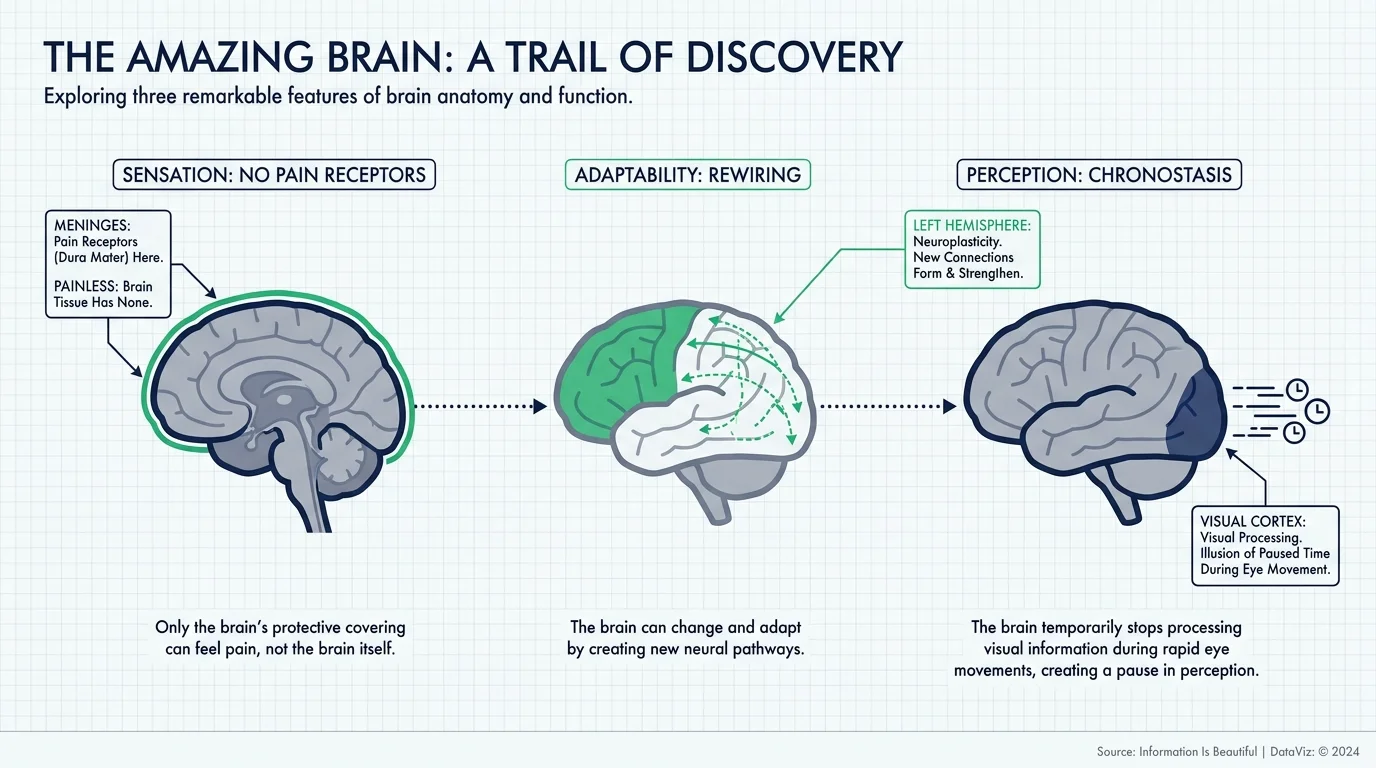
The human brain processes every agonizing sensation you feel, yet it entirely lacks nociceptors; it cannot feel pain itself. Neurosurgeons capitalize on this biological quirk by utilizing awake brain surgery procedures. Doctors numb the scalp before waking the patient up. The medical team probes exposed brain tissue while the patient speaks or plays an instrument. This real-time feedback guarantees the surgeon avoids damaging critical pathways. The debilitating headache you experience after a long day does not stem from your brain aching; it originates from sensitive pain receptors lining the meninges and blood vessels surrounding your mind.
Fact Two: Half A Brain Compensates
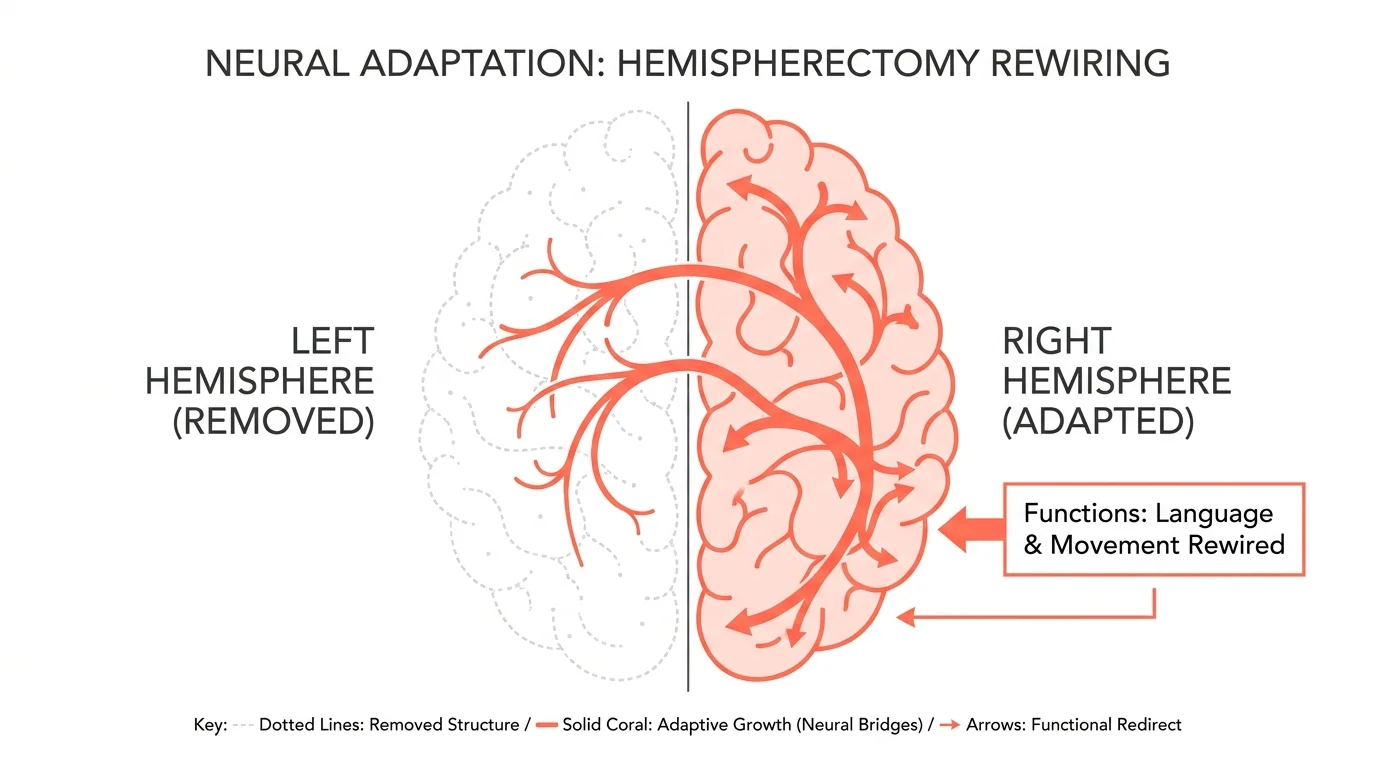
Losing half your brain sounds like an unsurvivable catastrophe. Yet, pediatric neurologists occasionally perform a hemispherectomy, surgically removing one half of a child’s brain to stop severe seizures. The astounding part involves how the remaining hemisphere adapts. Through extreme neuroplasticity, the surviving half physically rewires itself to execute functions previously managed by the missing half. If surgeons remove the left hemisphere, the right hemisphere rapidly develops neural connections to govern language. This adaptability proves your mind is not a rigid machine but a highly malleable organ continuously redesigning its architecture based on physical needs.
Fact Three: The Stopped-Clock Illusion
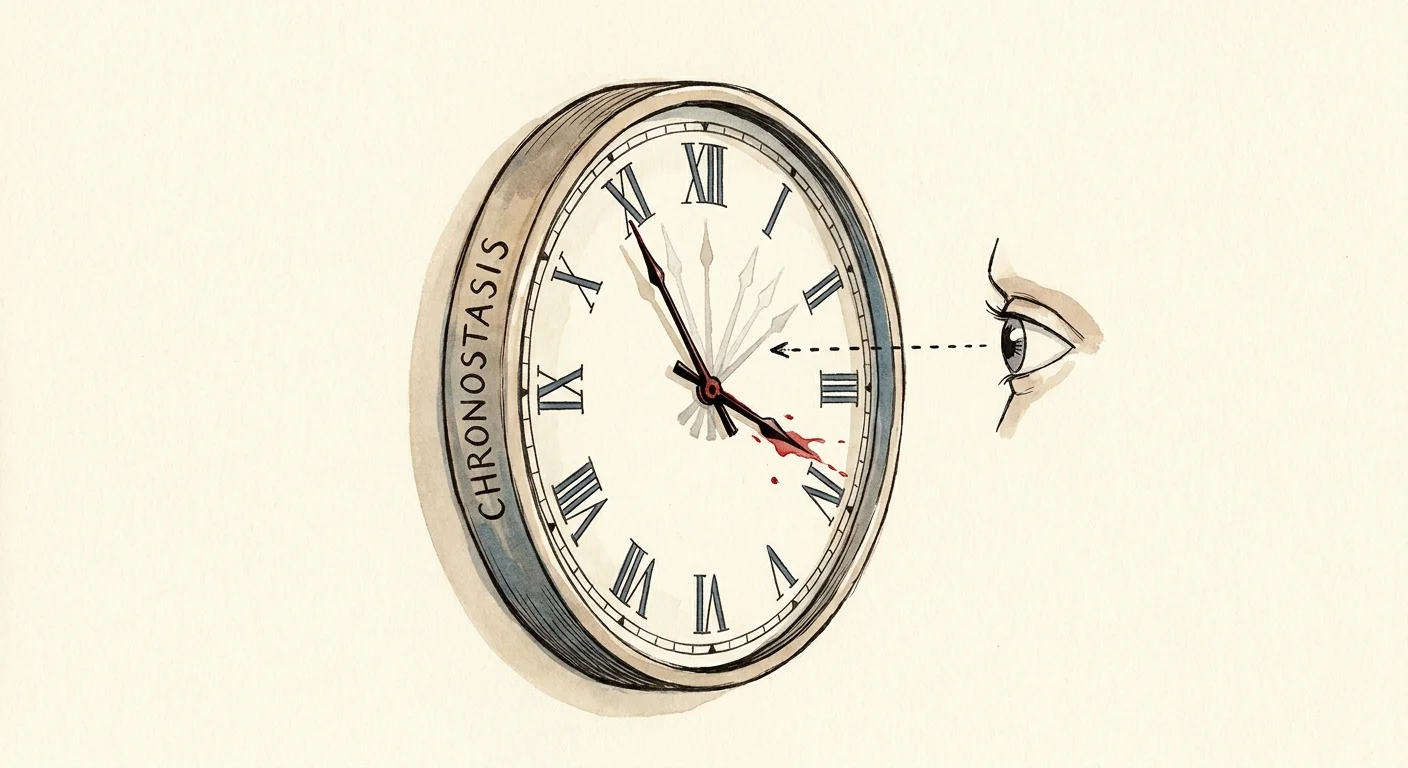
You glance at a ticking wall clock, and the second hand seems to freeze for an unusually long moment. Scientists call this jarring phenomenon chronostasis. When your eyes dart from one point to another in a rapid movement known as a saccade, your visual system temporarily shuts down to prevent you from seeing a nauseating motion blur. To hide this visual blackout from your conscious awareness, your brain retroactively fills the gap with the image your eyes finally land upon. You are effectively hallucinating a stable timeline, demonstrating just how much of your waking reality relies on post-production illusions crafted by your nervous system.
Meaning and Context Behind the Quirks

Fact Four: Pregnancy Remodels Neural Architecture
Neurological studies consistently reveal that pregnancy permanently remodels human neural architecture. MRI scans indicate a significant reduction in the volume of gray matter across areas involved in social cognition. While shrinking gray matter sounds concerning, it actually represents a highly specialized form of synaptic pruning. The brain deliberately strips away redundant neural pathways to ensure the remaining circuits operate faster and more efficiently. This neurological upgrade enhances a mother’s ability to read subtle facial expressions and bond with a vulnerable infant. These structural changes endure for years, proving that major life events physically sculpt the physical landscape of your mind.
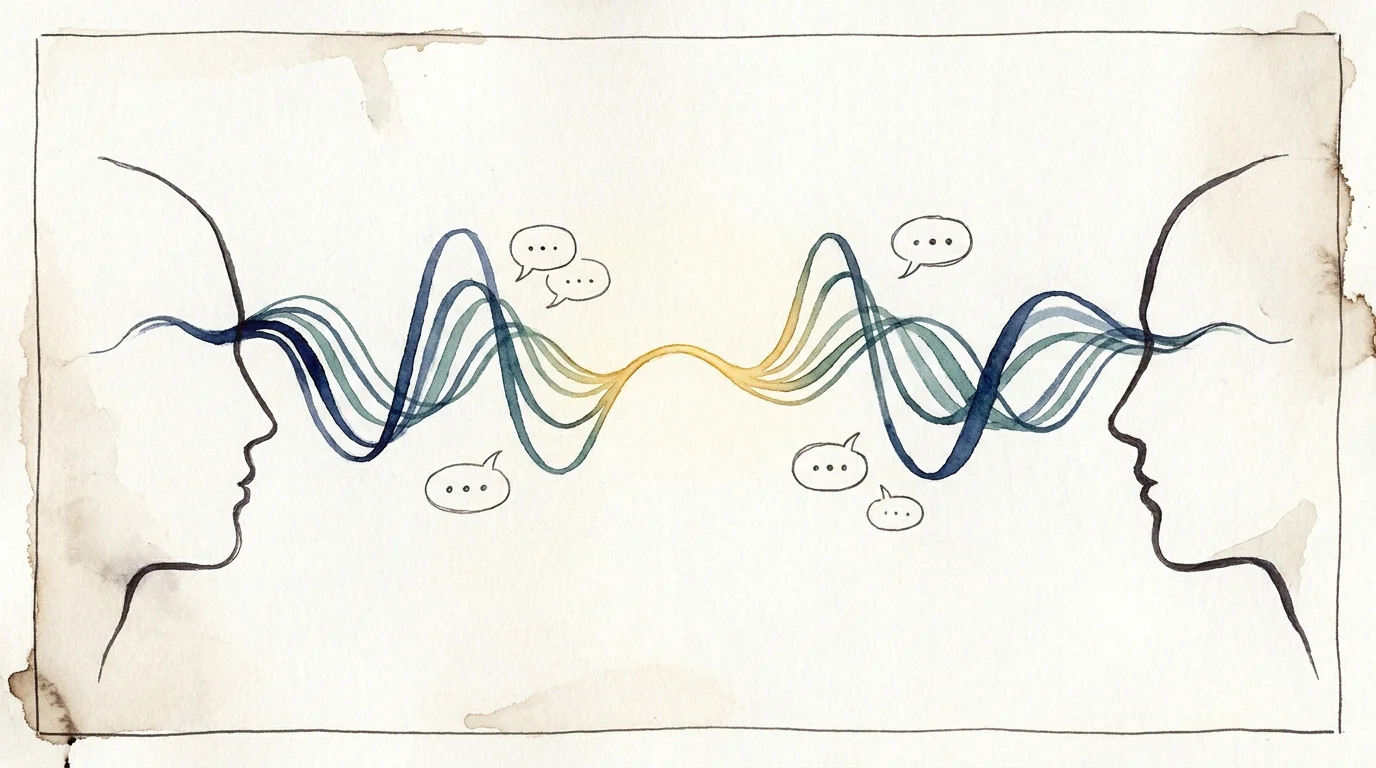
Fact Five: Brainwaves Synchronize During Conversations
The idea of two minds connecting sounds like a poetic metaphor, but researchers can map this exact phenomenon on a computer monitor. When you engage in deep conversation or listen to emotional music with others, your brainwaves physically synchronize with the people around you. Neuroscientists describe this process as neural coupling. Research published by the National Academy of Sciences demonstrates that a listener’s brain activity accurately mirrors the speaker’s activity with only a fraction of a second delay. When you build rapport with a close friend, your respective brains are literally operating on the exact same electromagnetic frequency.

Fact Six: Your Gut Is A Second Brain
You possess a secondary command center operating silently inside your digestive tract. The enteric nervous system consists of hundreds of millions of neurons densely embedded throughout the walls of your gut. This vast network operates independently and produces roughly ninety-five percent of your body’s serotonin, heavily influencing your daily mood and emotional stability. The vagus nerve directly links this digestive brain to the primary one inside your head. When experts from Johns Hopkins Medicine study digestive health, they recognize that stomach issues frequently trigger severe psychological distress. Trusting your gut instinct proves to be a literal neurological imperative.

Everyday Impact of Neurological Oddities
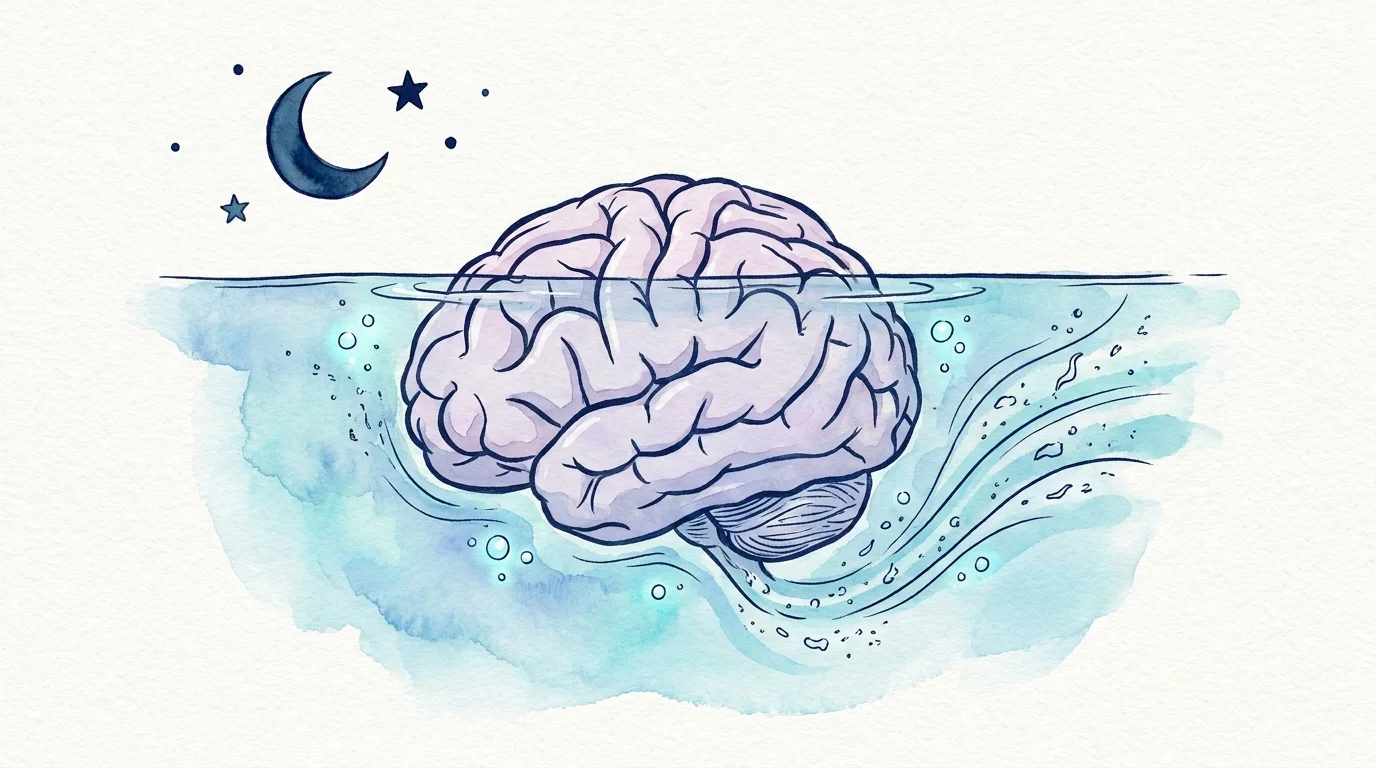
Fact Seven: Sleep Washes Your Brain
Your brain burns through massive amounts of energy during waking hours, generating toxic metabolic byproducts like amyloid-beta proteins. Fortunately, your mind physically washes itself while you sleep. Researchers from the National Institutes of Health observed that the glymphatic system opens up exclusively during deep sleep. Cerebrospinal fluid rushes through the neural tissue in rhythmic pulses, flushing out toxic proteins into the circulatory system. This biological dishwasher physically shrinks your brain cells slightly to allow the fluid to wash away accumulated debris. You must aggressively protect your sleep schedule to allow this vital nightly cleaning cycle to run undisturbed.
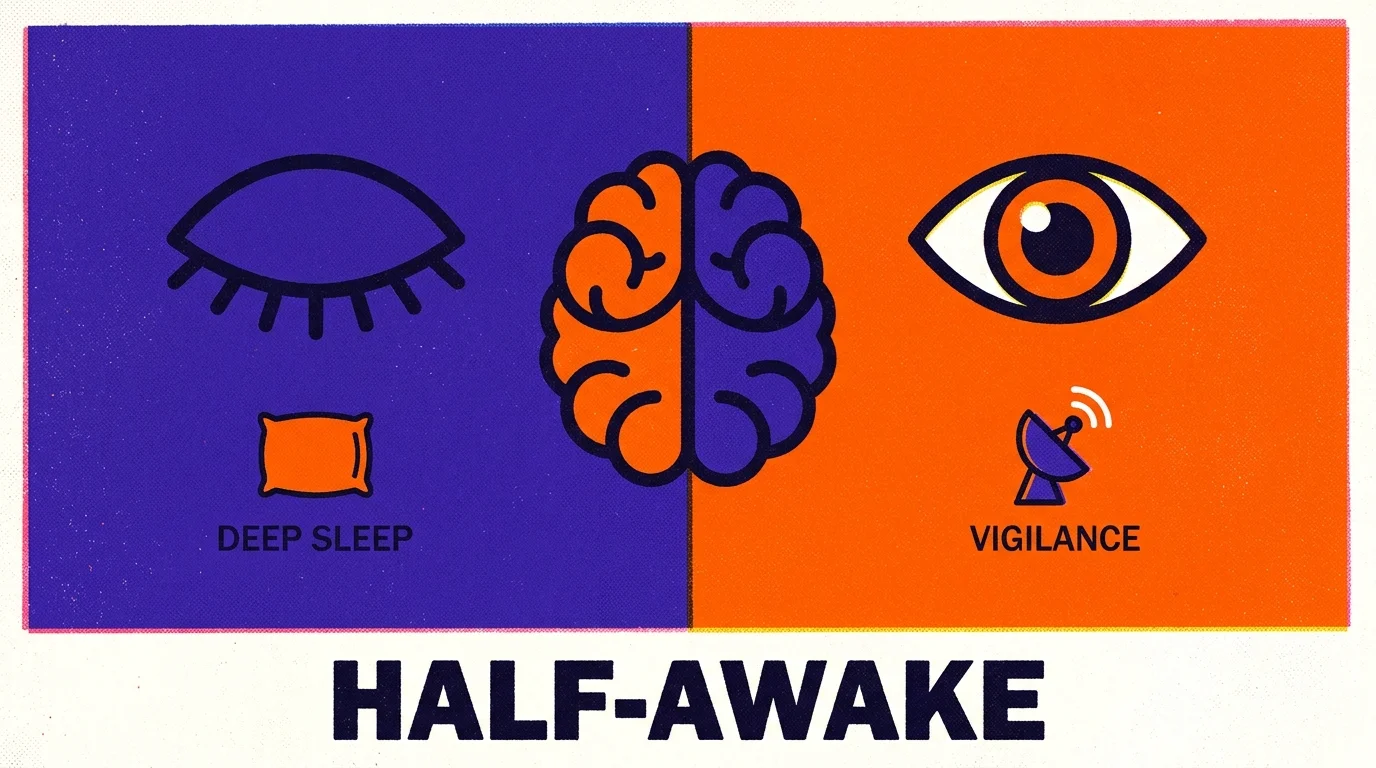
Fact Eight: Half Your Brain Stays Awake
Sleeping in a strange hotel room routinely leaves you feeling groggy and unrested. Scientists attribute this exhaustion to the first-night effect, an evolutionary survival mechanism inherited from ancient ancestors. When you sleep in an unfamiliar environment, your brain engages in unihemispheric slow-wave sleep. One hemisphere drops into a deep rest, while the opposite hemisphere remains in a lighter sleep stage, acting as a vigilant night watchman listening for environmental threats. You wake up exhausted because half of your brain stayed awake. You can easily mitigate this evolutionary safeguard by traveling with a familiar pillowcase to provide comforting olfactory cues.
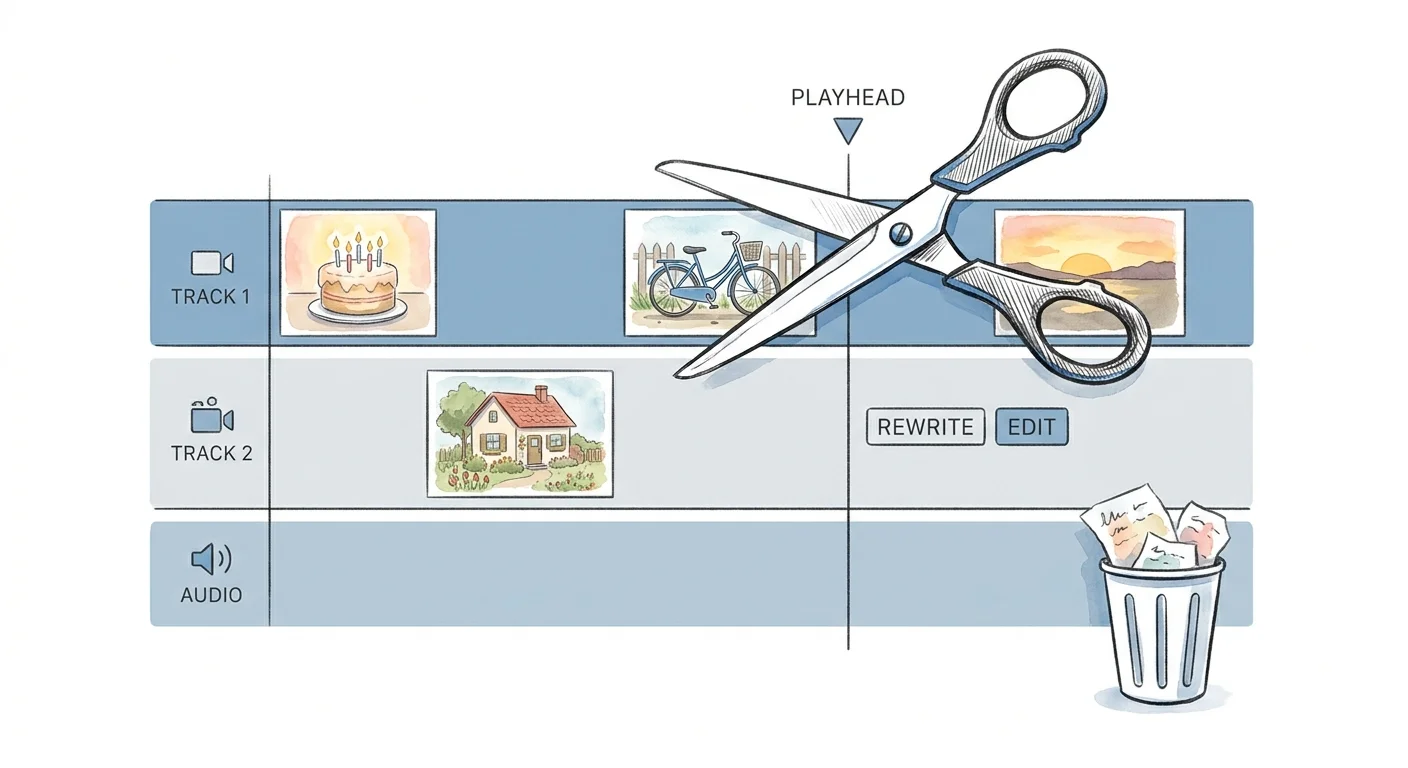
Fact Nine: Memory Functions Like A Video Editor
Human memory functions remarkably like a creative video editor rather than an objective security camera. Every time you recall a past event, your brain physically unpacks the memory from its neural storage, reconstructs the scene, and then saves it again. During this reconstruction process, reports from the American Psychological Association confirm that your current emotional state and new biases seamlessly overwrite the original data. You continuously update your memories, often generating completely false details to fill narrative gaps. Recognizing this fundamental biological flaw encourages you to rely heavily on written documentation rather than absolute confidence during disputes.
Frequently Asked Questions
Does a larger brain indicate higher intelligence?
Many people incorrectly assume that a larger skull houses a more capable mind. The sheer size of a mammal’s brain does not directly correlate with its intellectual capacity. A sperm whale possesses a brain weighing over seventeen pounds, yet humans easily outperform them in problem-solving. True intelligence relies heavily on synaptic density, the complexity of neural networks, and the ratio of brain mass to total body mass. The profound folding of the human cerebral cortex packs dense surface area into a confined space, generating advanced cognitive processing power regardless of total volume.
Do you only use ten percent of your brain?
Popular media relentlessly perpetuates the myth that humans tap into only a tiny fraction of their cognitive potential. Neurologists thoroughly debunk this persistent idea using functional magnetic resonance imaging. Brain scans unequivocally confirm that almost every part of your brain remains active throughout the day, even while you sleep. Different regions handle distinct, highly specialized tasks. Firing every single neuron simultaneously would result in a massive, debilitating seizure. You utilize the entirety of your brain in highly orchestrated, efficient shifts.
Can your brain run out of memory space?
Treating the human mind like a smartphone storage drive fundamentally misunderstands how neurons actually store information. You do not possess a finite gigabyte limit for memories. Your brain stores data by creating and strengthening intricate chemical connections between billions of neurons. Because the potential combinations of these networks remain virtually infinite, scientists estimate the human brain’s theoretical storage capacity easily sits in the petabyte range. You could continuously learn new complex information for hundreds of years without ever encountering a full-storage warning.
How long does the brain survive without oxygen?
The brain selfishly consumes twenty percent of your body’s oxygen supply despite accounting for a mere two percent of your body weight. This extreme energy demand makes brain tissue incredibly vulnerable to oxygen deprivation. If a tragic accident interrupts the oxygen supply, consciousness fades entirely within seconds. Permanent, irreversible neural damage begins unfolding within a mere five minutes. This extremely fragile biological dependency emphasizes exactly why immediate medical interventions like cardiopulmonary resuscitation remain absolutely critical during emergencies.
Keep Exploring the Unknown
The human brain endures as the ultimate frontier of biological exploration. While sophisticated technology allows scientists to watch thoughts cascade across neural networks, the organ interpreting those images remains mysterious. The sheer density of neurons communicating ensures researchers will continue discovering bizarre phenomena for decades. Armed with an understanding of how your mind constructs reality, washes away toxins, and synchronizes with others, you gain a tangible advantage. Lean into your curiosity. Challenge your cognitive biases, prioritize deep sleep, and continuously seek out scientific discoveries to master the universe operating inside your head.