
Your brain constructs entire virtual realities every single night, complete with sensory details, emotional depth, and complex narratives that evaporate the moment you wake up. While sleep science has mapped the precise neurological stages of human rest, researchers remain completely baffled by the ultimate biological purpose of this nightly hallucination. Experts at major institutions continue to probe these nocturnal visions, uncovering phenomena that defy straightforward evolutionary explanations. From sudden temporal dilation to universal anxiety loops, the inner workings of your sleeping mind represent one of the final frontiers of modern biology. Prepare to rethink exactly what happens when your head hits the pillow, as the truth challenges everything you know about human consciousness.
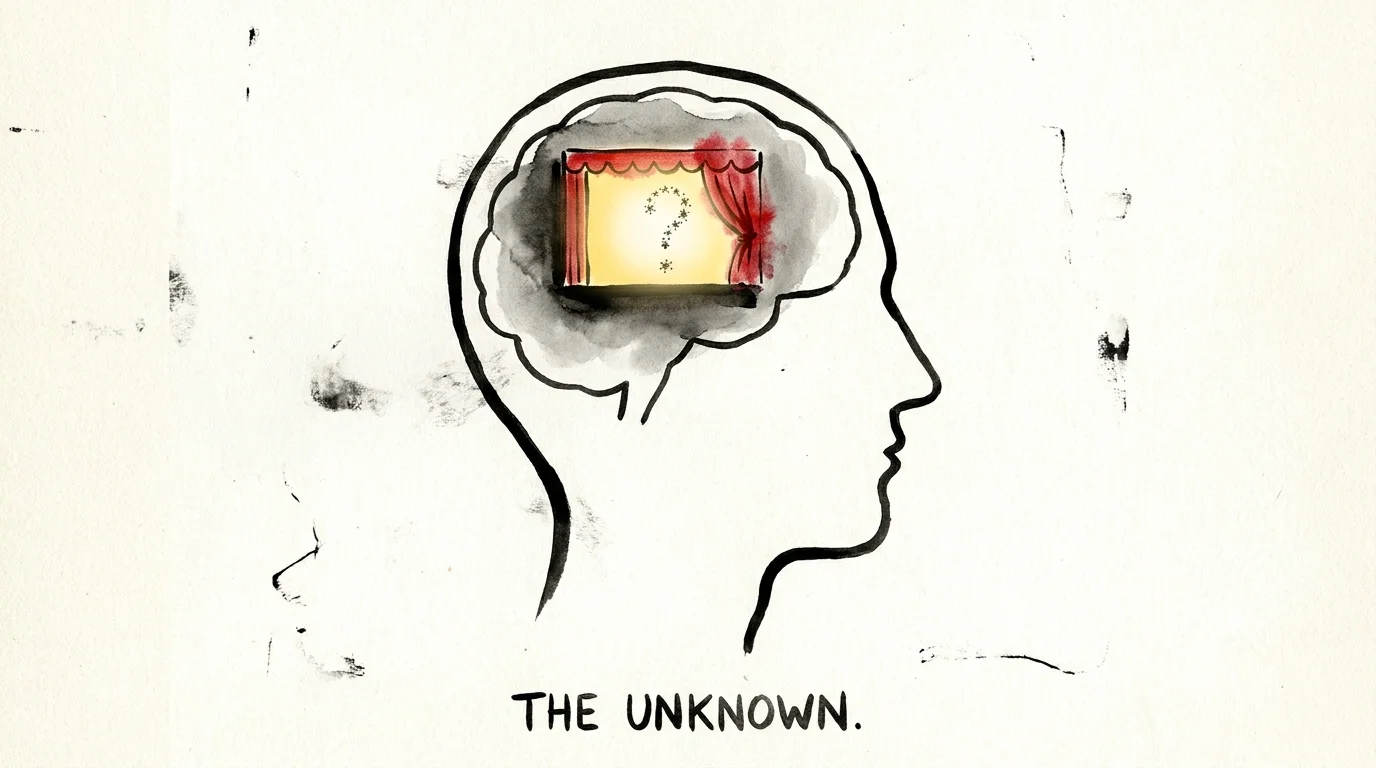
Fact 1: We Do Not Know Why We Dream At All
Scientists track rapid eye movements and measure brain waves throughout the night, yet the fundamental reason we hallucinate during sleep remains an unsolved mystery. The threat simulation theory suggests we practice escaping physical danger, honing survival instincts safely. Meanwhile, memory consolidation theories argue our brains organize the day’s events, discarding useless information. Neither theory explains why these narratives involve entirely novel, surreal scenarios that provide no evolutionary advantage. We know the biological mechanisms of sleep keep you alive, but the vivid theater accompanying it defies straightforward logic.
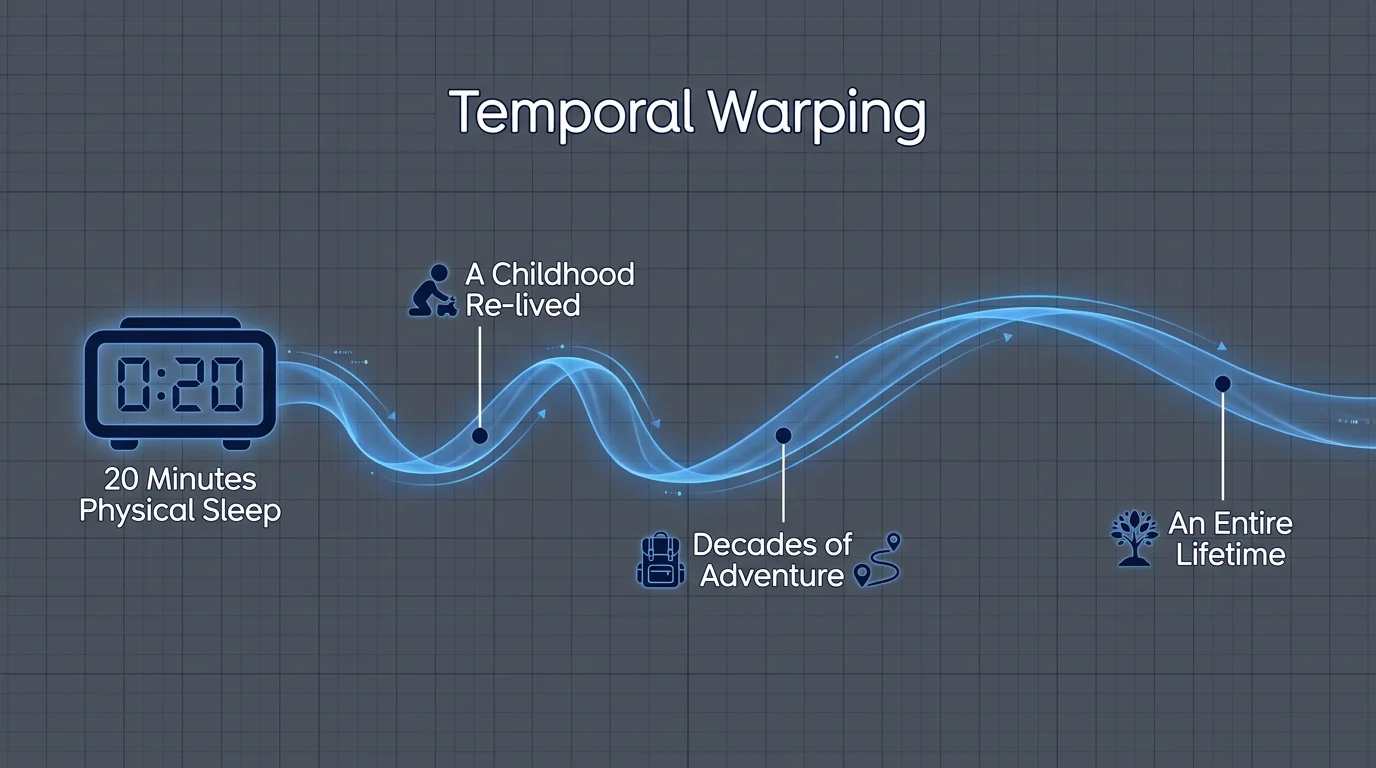
Fact 2: Time Dilates Wildly During REM Sleep
You might wake up feeling as though you lived an entire lifetime in a fantasy world, only to discover you slept for merely twenty minutes. Researchers observing neural activity during rapid eye movement sleep notice that firing patterns mirror waking states; despite this, your subjective perception of time detaches from the physical world. Cognitive studies suggest the brain processes information at accelerated rates without sensory input slowing it down. The exact neurological mechanism controlling this temporal warping continues to elude modern neurology.
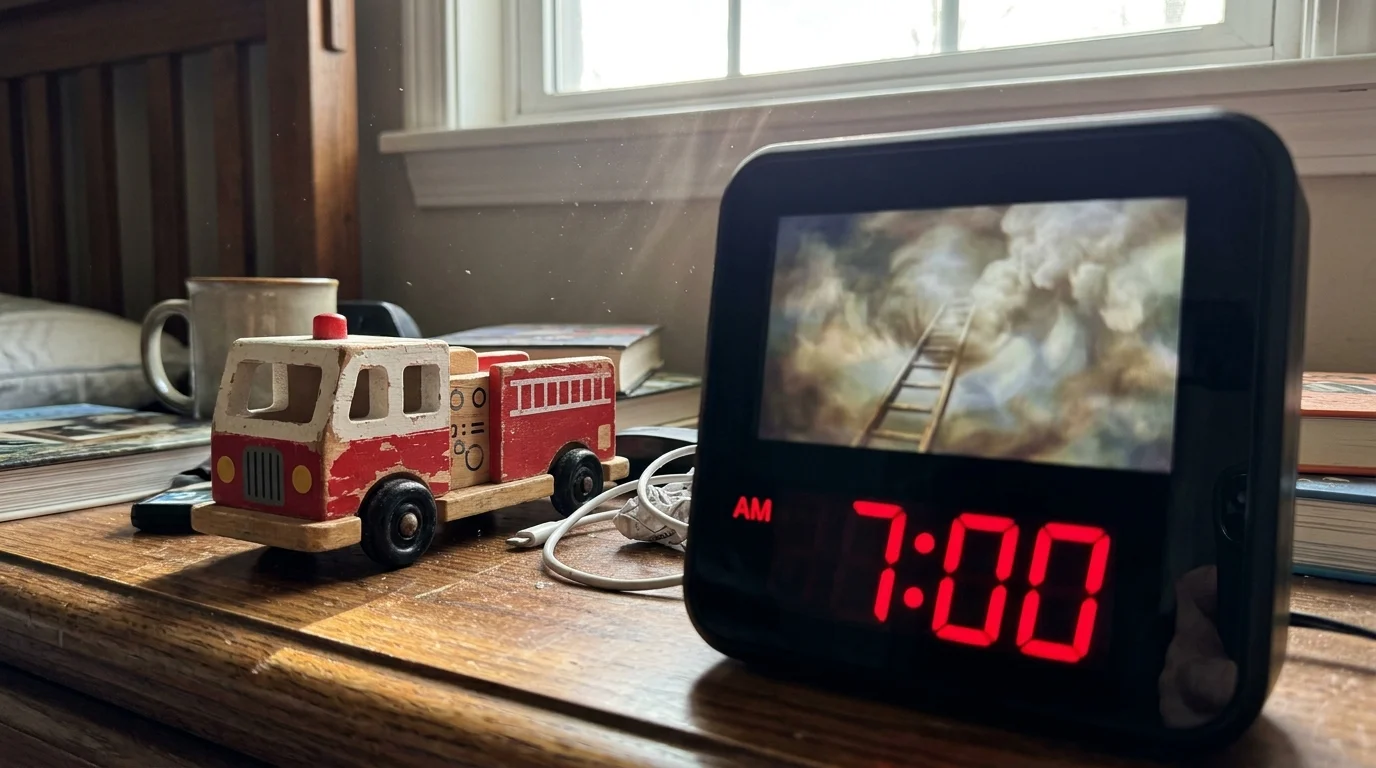
Fact 3: External Stimuli Seamlessly Weave Into the Narrative
When your morning alarm clock suddenly becomes a screaming fire engine siren within your dream, your brain demonstrates a real-time improvisational ability that puzzles cognitive scientists. Your sleeping mind detects auditory or tactile signals from the physical environment and instantly rewrites the ongoing internal script to incorporate them. This rapid contextualization happens so seamlessly that researchers cannot fully explain how the unconscious brain bypasses the standard time required for conscious sensory processing. Your neurons accept the outside interference and invent a logical reason for its existence.
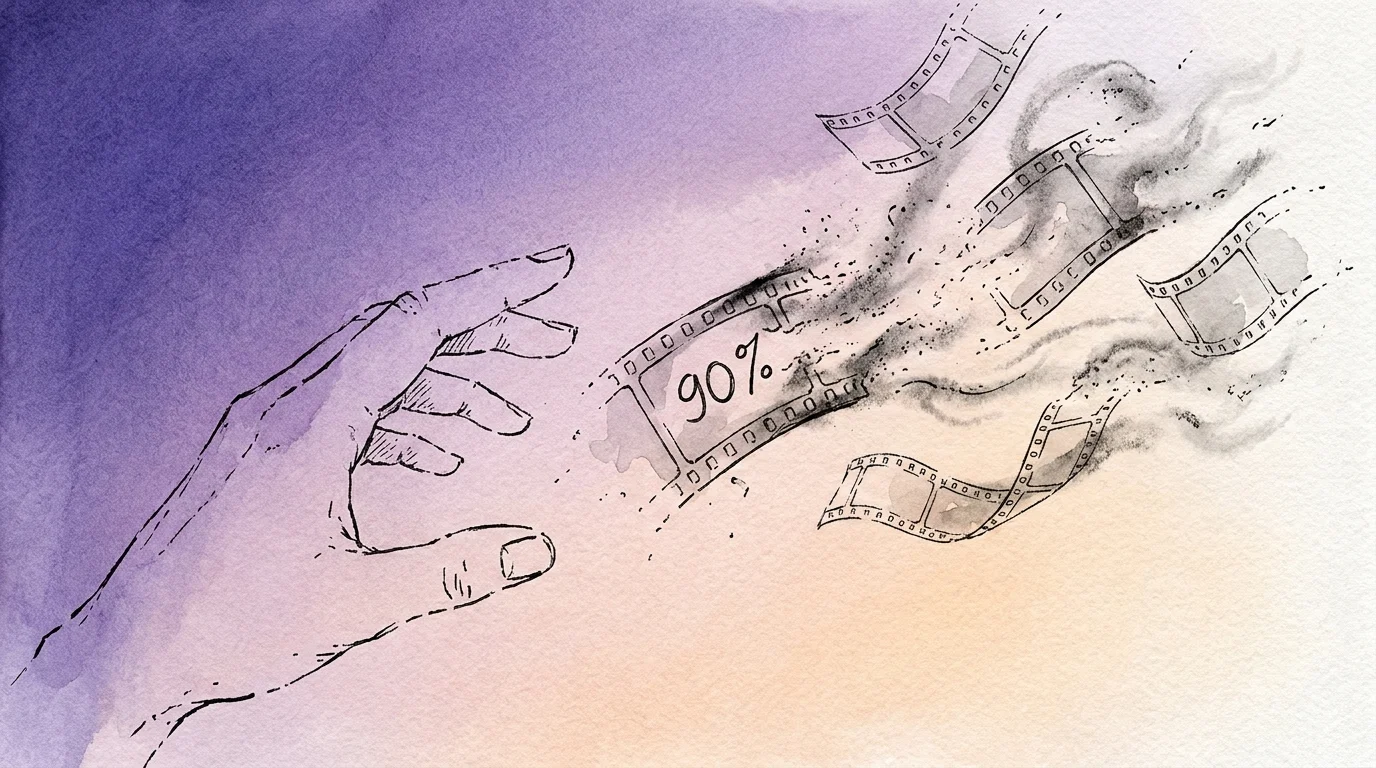
Fact 4: You Forget Almost Everything Upon Waking
Within five minutes of opening your eyes, roughly half of your dream content vanishes; within ten minutes, ninety percent disappears forever. Neuroscientists point to the sudden drop in norepinephrine during the deepest phases of your sleep cycle. Research supported by the National Institutes of Health reveals that specific melanin-concentrating hormone neurons actively suppress memory retention during sleep. Despite identifying the cellular mechanics, experts cannot agree on why the human brain burns metabolic energy actively deleting these cognitive experiences.
Fact 5: Blind Individuals Experience Highly Sensory Analogues
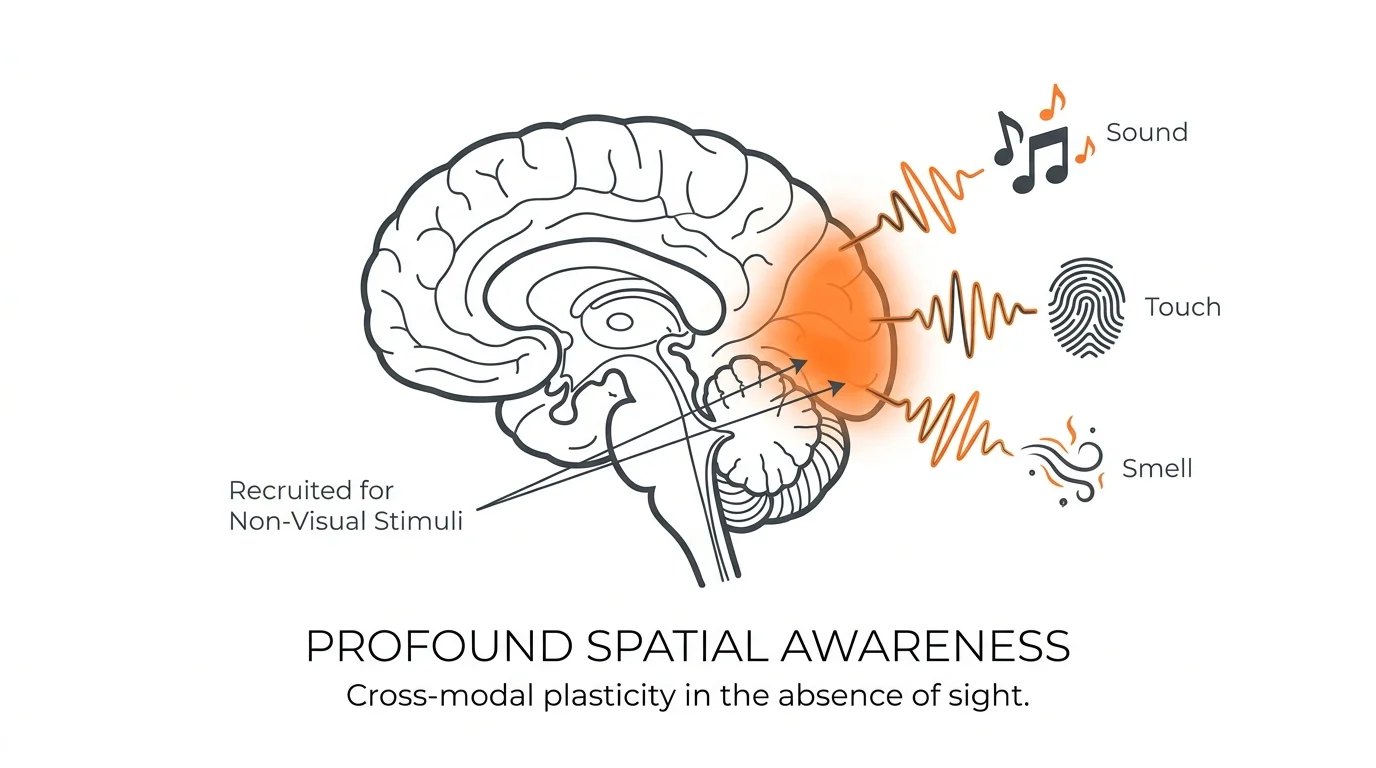
People born without sight do not see visual images in their sleep, but they construct incredibly detailed sensory environments utilizing sound, touch, and smell. Their brains actively recruit the visual cortex to process these non-visual stimuli, creating a profound spatial awareness that perfectly mimics physical sight. This fascinating phenomenon strongly suggests the human brain contains an innate neurological template for spatial rendering that operates independently of the eyes. Understanding how the mind maps three-dimensional space using only echoes and tactile feedback continues to challenge our understanding of perception.

Fact 6: The Universality of the Falling Sensation
Almost every human has experienced the sudden, terrifying sensation of plunging from a great height just as they drift off, accompanied by a physical jolt called a hypnic jerk. While evolutionary biologists theorize this involuntary reflex prevented our primate ancestors from falling out of trees during deep sleep, modern sleep specialists cannot definitively prove the specific neurological trigger. The strange disconnect between total muscle relaxation and the brain’s lingering conscious alertness creates a profound sensory glitch that science struggles to explain behaviorally.
Fact 7: Lucid Dreaming Overlaps Two States of Consciousness
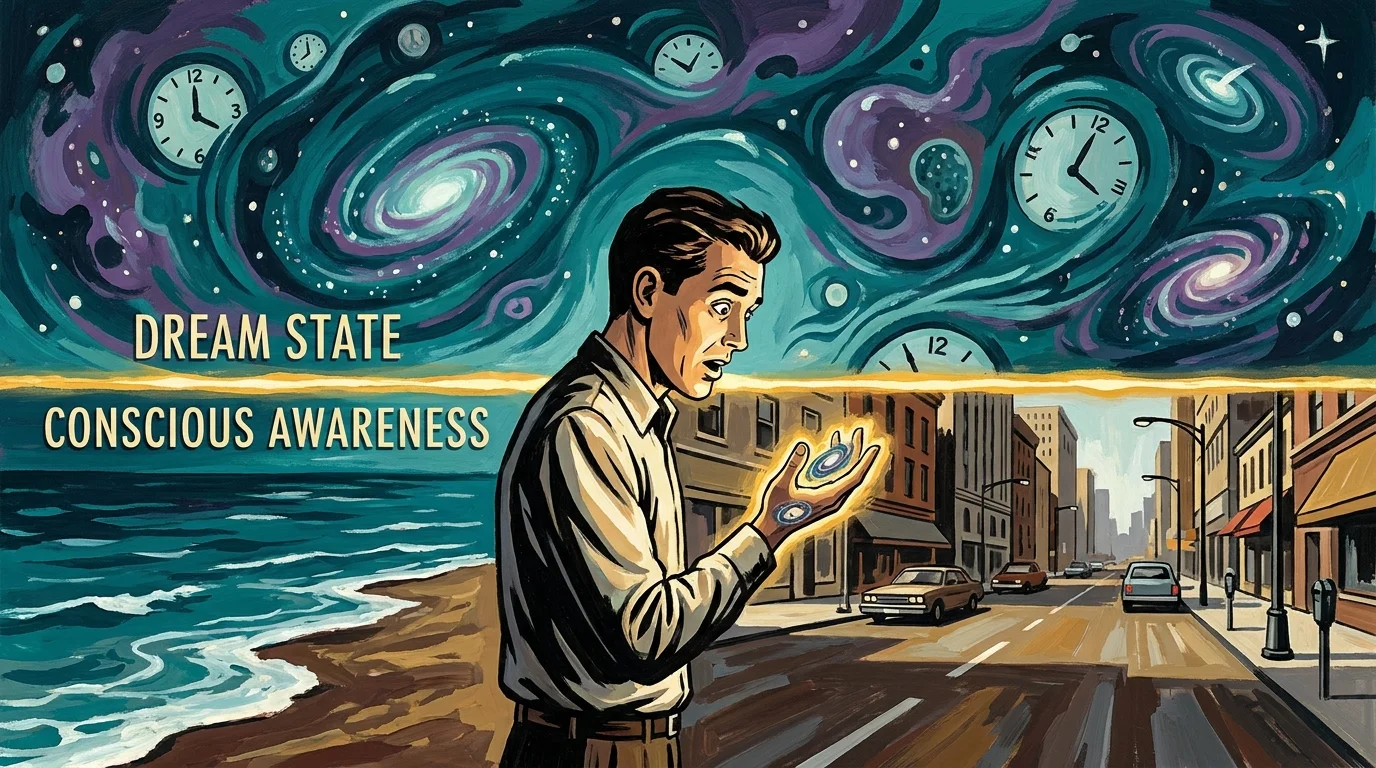
Lucid dreamers suddenly realize they are asleep and actively manipulate the ongoing narrative, placing the human brain in an unprecedented paradoxical state. Functional magnetic resonance imaging demonstrates that the prefrontal cortex unexpectedly wakes up while the rest of the brain remains submerged in deep sleep. According to major neuroscience journals, this unique overlapping of wakefulness and unconsciousness defies the traditional binary model of human consciousness, proving the mind can operate in multiple realities simultaneously.

Fact 8: We Cannot Read or Tell Time in Our Sleep
If you attempt to read a printed book while dreaming, the letters almost always morph, scramble, or disappear entirely before your eyes. Advanced language processing and strict temporal logic require active engagement from the brain’s frontal and parietal lobes, which largely shut down during the night. Despite mapping these suppressed regions using modern imaging technology, cognitive researchers remain fascinated by the brain’s complete inability to simulate stable text, especially when it renders incredibly complex faces and detailed landscapes without conscious effort.
Fact 9: The Strange Contagion of Recurring Nightmares
Experiencing the exact same terrifying scenario night after night indicates a systemic failure in the brain’s emotional processing network. Instead of properly resolving psychological stress during rest, the amygdala gets stuck in a closed neurological loop, replaying the anxious narrative indefinitely. Clinical psychologists utilize targeted imagery rehearsal therapy to break these vicious cycles. However, the underlying biological trigger that locks the brain into one highly specific nightmare script remains frustratingly obscure. Scientists still cannot pinpoint why the brain chooses to torture itself.
Fact 10: The Brain Paralyzes Itself to Protect You
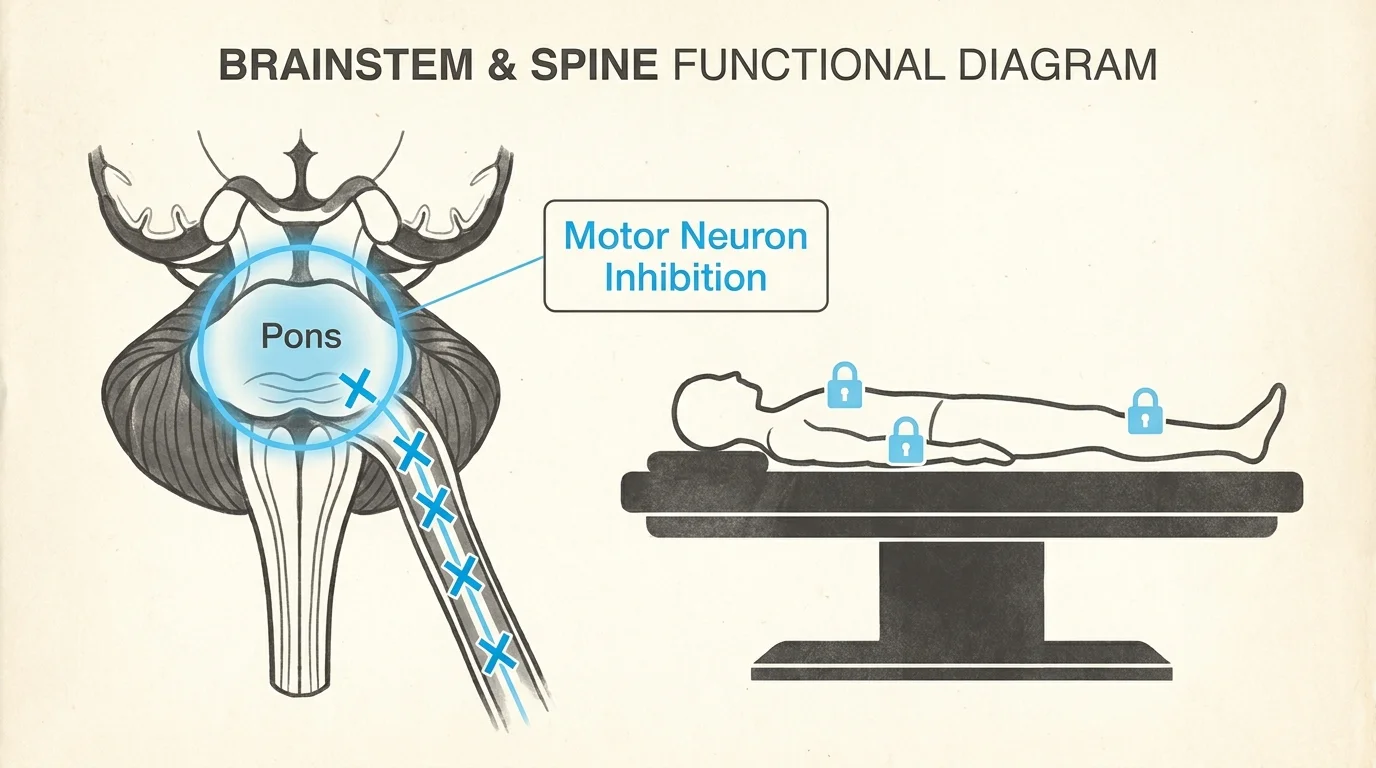
To stop you from physically acting out your nighttime adventures, the brainstem sends powerful signals to relax your skeletal muscles, resulting in REM atonia. Occasionally, this intense chemical paralysis persists for a few terrifying moments after you open your eyes, causing sleep paralysis. Clinical experts at Johns Hopkins Medicine confirm the specific chemical pathways involving glycine and gamma-aminobutyric acid; however, scientists cannot fully explain why the delicate timing mechanism coordinating consciousness and motor function misfires so frequently.

Fact 11: Animals Dream Complex Narratives Too
Watch a sleeping dog paddle its paws, and you are witnessing a complex animal actively interacting with a phantom world. Studies conducted at the Massachusetts Institute of Technology monitoring the delicate brain waves of sleeping rats show they replay the exact neural patterns they utilized while running complex mazes. Recently, entomologists have observed jumping spiders exhibiting obvious rapid eye movements during rest periods, leading to the profound question of exactly how far down the biological evolutionary tree this hallucination extends.
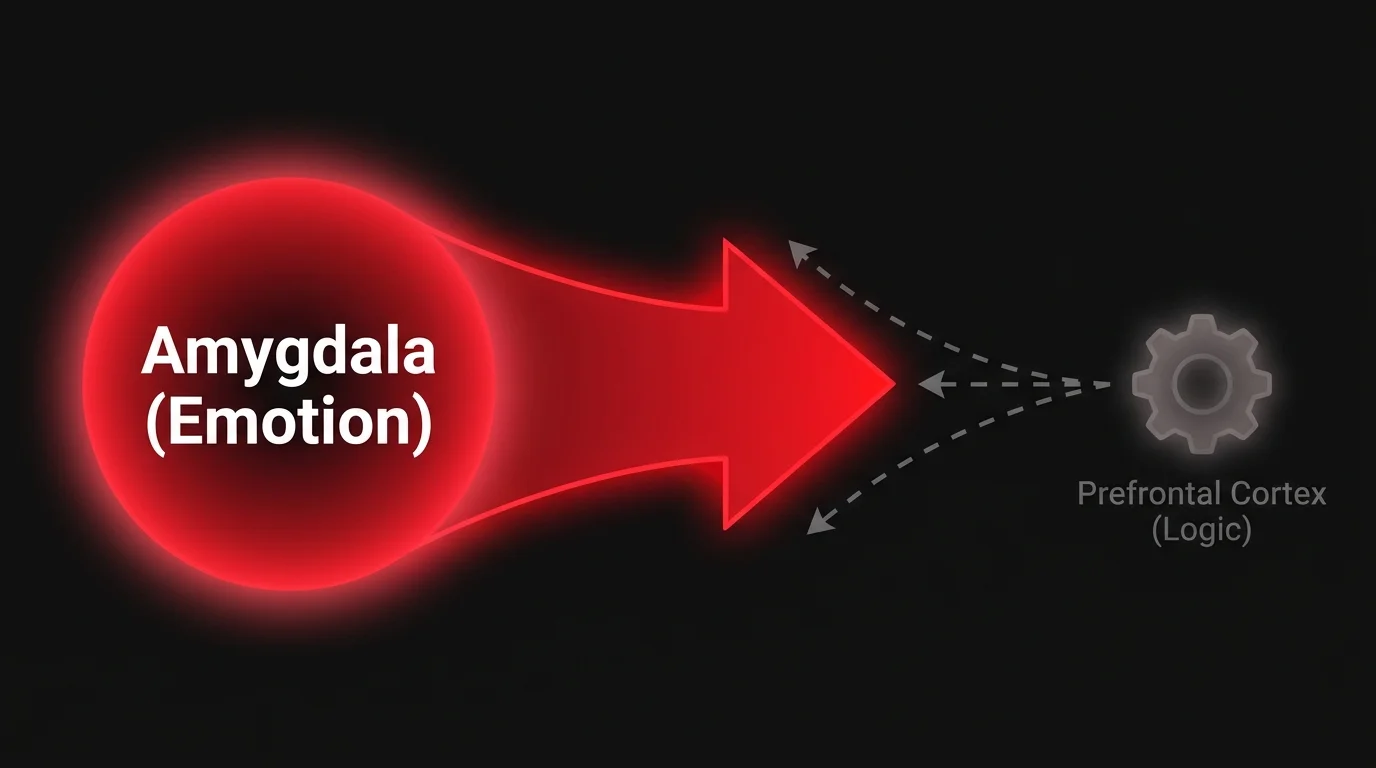
Fact 12: Emotion Precedes Logic in the Dream State
You very often feel an overwhelming sense of profound dread or deep nostalgia in a dream long before the actual plot provides any logical reason for those feelings. This emotional primacy occurs primarily because the limbic system entirely dominates the sleeping brain, generating intense feelings that the narrative then desperately attempts to rationalize. Psychologists observe that this backward creation of reality closely mirrors certain severe psychiatric conditions, offering a mysterious window into exactly how the human mind constructs objective truth from raw emotion.

Everyday Impact: How to Harness Your Unconscious Mind
Now that you recognize the profound complexities happening in your head, you can actively engage with your sleep health to improve your waking life. Start by keeping a dedicated journal on your nightstand to capture those fleeting narratives before your norepinephrine levels reset. Writing down fragments immediately upon waking trains your brain to strengthen the bridge between conscious and unconscious states. Pay close attention to recurring emotional themes rather than bizarre visual symbols; these deep feelings highlight waking anxieties your brain is struggling to process. Maintaining a consistent sleep schedule ensures you enter the critical rapid eye movement cycles where the most complex neural mapping occurs.
Frequently Asked Questions About Sleep Science
Why do I always dream about my teeth falling out?
This remarkably common theme rarely relates to actual dental hygiene. Psychologists associate tooth-loss dreams with deep feelings of powerlessness, underlying anxiety about public communication, or significant life transitions. Because teeth represent basic survival, your brain utilizes them as a potent metaphor for vulnerability.
Can two people have the exact same dream?
Absolutely no empirical evidence supports the existence of telepathic dreaming. However, people who share similar living environments or face identical emotional stressors generate highly comparable dream themes. The American Psychological Association notes that shared cultural anxieties explain these overlapping narratives perfectly.
Do blind people see in their sleep?
Individuals born completely blind do not experience visual imagery, but their dreams remain equally intense. Their sleeping minds expertly construct rich, three-dimensional environments using greatly enhanced auditory, tactile, and olfactory sensations, proving the human brain does not require visual data to build virtual realities.
Is it dangerous to wake a sleepwalker?
The widespread myth that waking a sleepwalker triggers a fatal heart attack is completely false. However, waking them abruptly causes severe disorientation and panic. Sleep experts recommend gently guiding the person back to bed, prioritizing their physical safety over interrupting the unconscious episode.
The Endless Mystery of the Sleeping Brain
We spend a third of our lives completely paralyzed in the dark, watching vivid hallucinations created entirely by our own firing neurons. Despite decades of advanced neuroimaging, the fundamental architecture of our nocturnal visions remains a beautiful puzzle. The next time you wake up from a bizarre chase sequence, take a moment to appreciate the sheer processing power required to build that world. Keep questioning the strange logic of your resting mind and never underestimate the biological theater behind your closed eyelids.