
If you time-traveled to a 1970s American neighborhood, the sheer number of everyday hazards casually embraced by society would leave you speechless. Children hurled massive steel-tipped darts across backyards, teenagers routinely hitchhiked cross-country, and professionals chain-smoked in hospital waiting rooms. The 1970s represent a fascinating paradox in American history, existing as a transitional decade where modern consumerism collided with wildly unregulated safety standards. Looking back exposes a chaotic era where commercial skyjackings happened almost weekly and banks legally denied women credit cards without a male cosigner. Understanding these shockingly lax cultural norms reveals exactly how much your modern expectations of daily safety, financial equality, and public health have evolved in just fifty years.
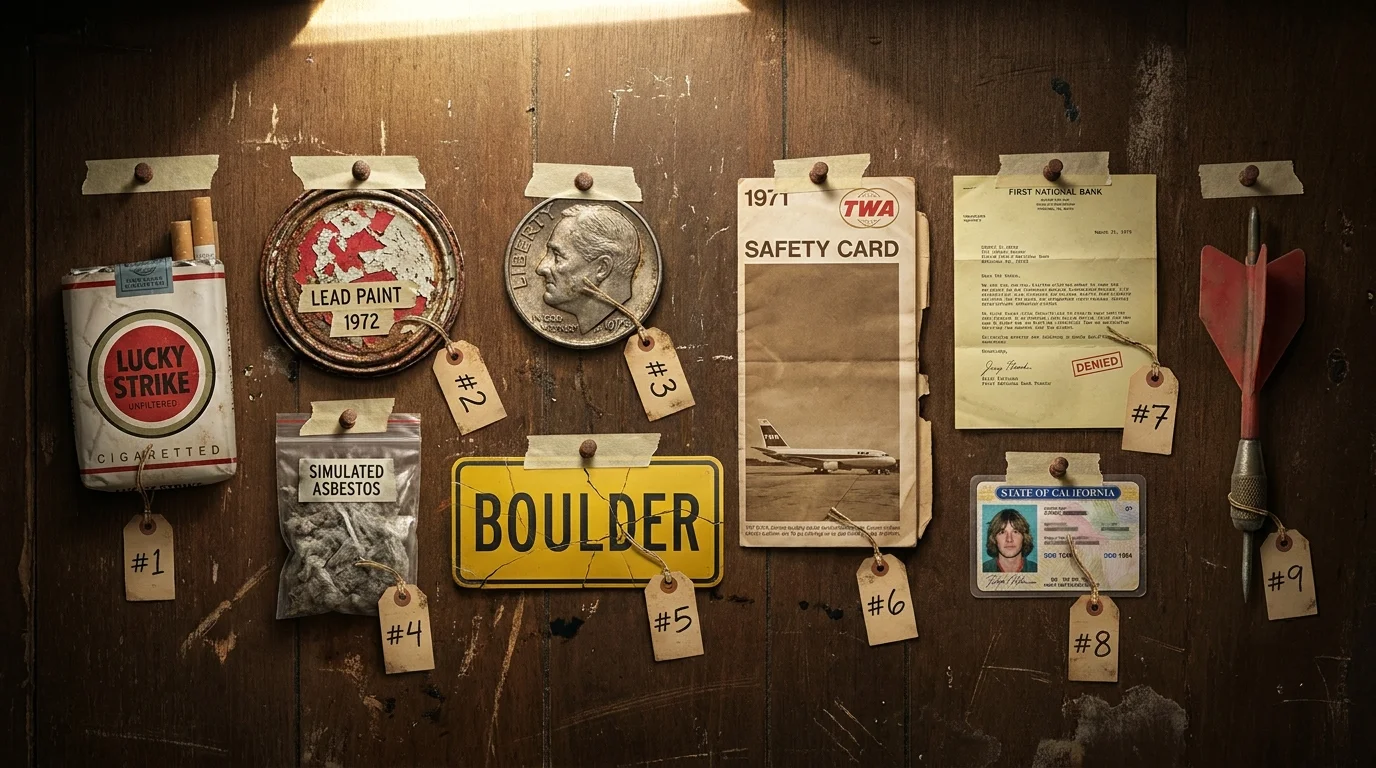
The Evidence Trail: Nine Bizarre 1970s Cultural Norms
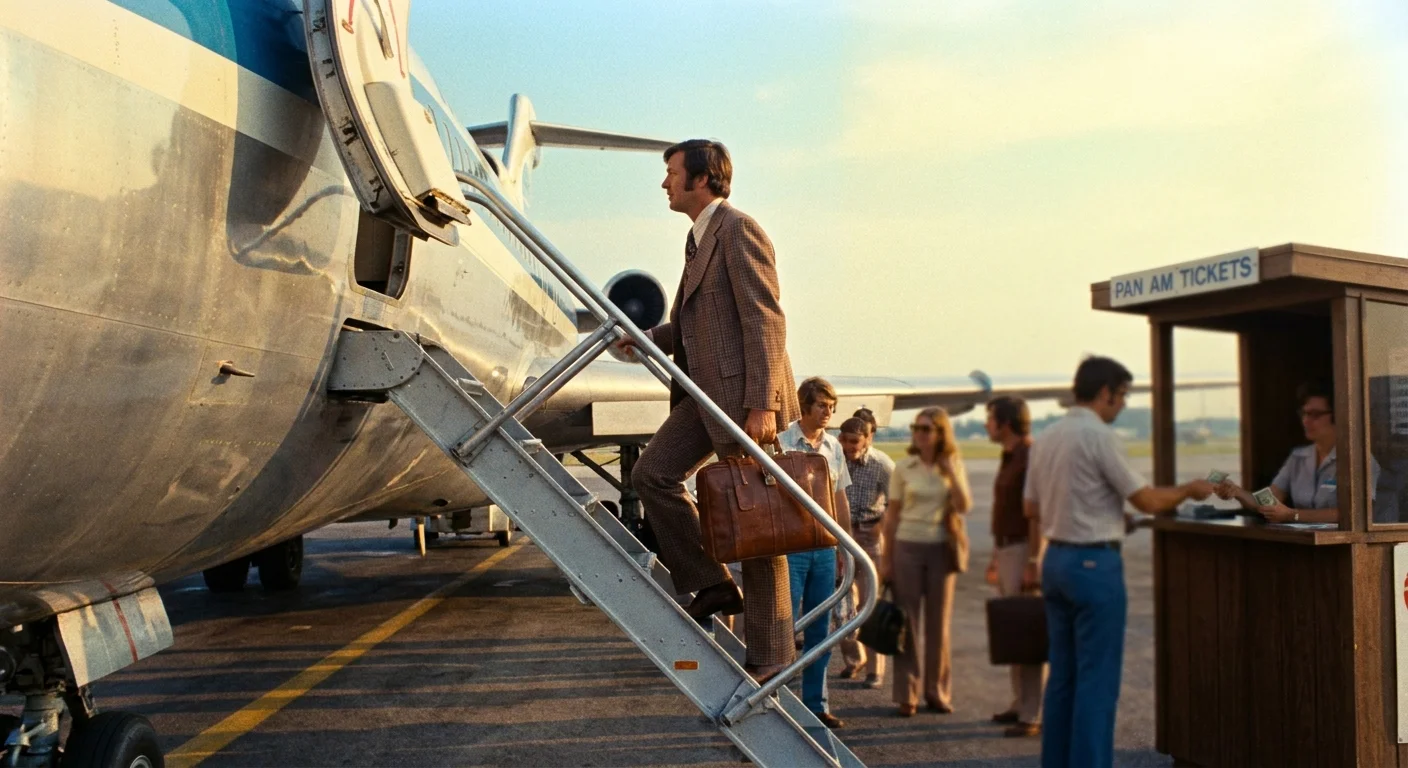
1. Commercial Airplane Hijackings Occurred Almost Weekly
Air travel in the early 1970s operated with an almost incomprehensible lack of security. Between 1968 and 1972, hijackings happened nearly every week in the United States. You could buy a commercial plane ticket with cash under a fake name, stroll past the ticket counter, and walk directly onto the tarmac without passing a single metal detector or baggage check. Desperate individuals frequently commandeered commercial jets to demand multi-million dollar ransoms or secure safe passage to Cuba. The sheer frequency of these events turned skyjackings into a morbid cultural punchline rather than a paralyzing terror threat. This golden age of skyjacking persisted unchecked until the government mandated universal physical passenger screening and bag searches in 1973, forever altering how you navigate modern airports.
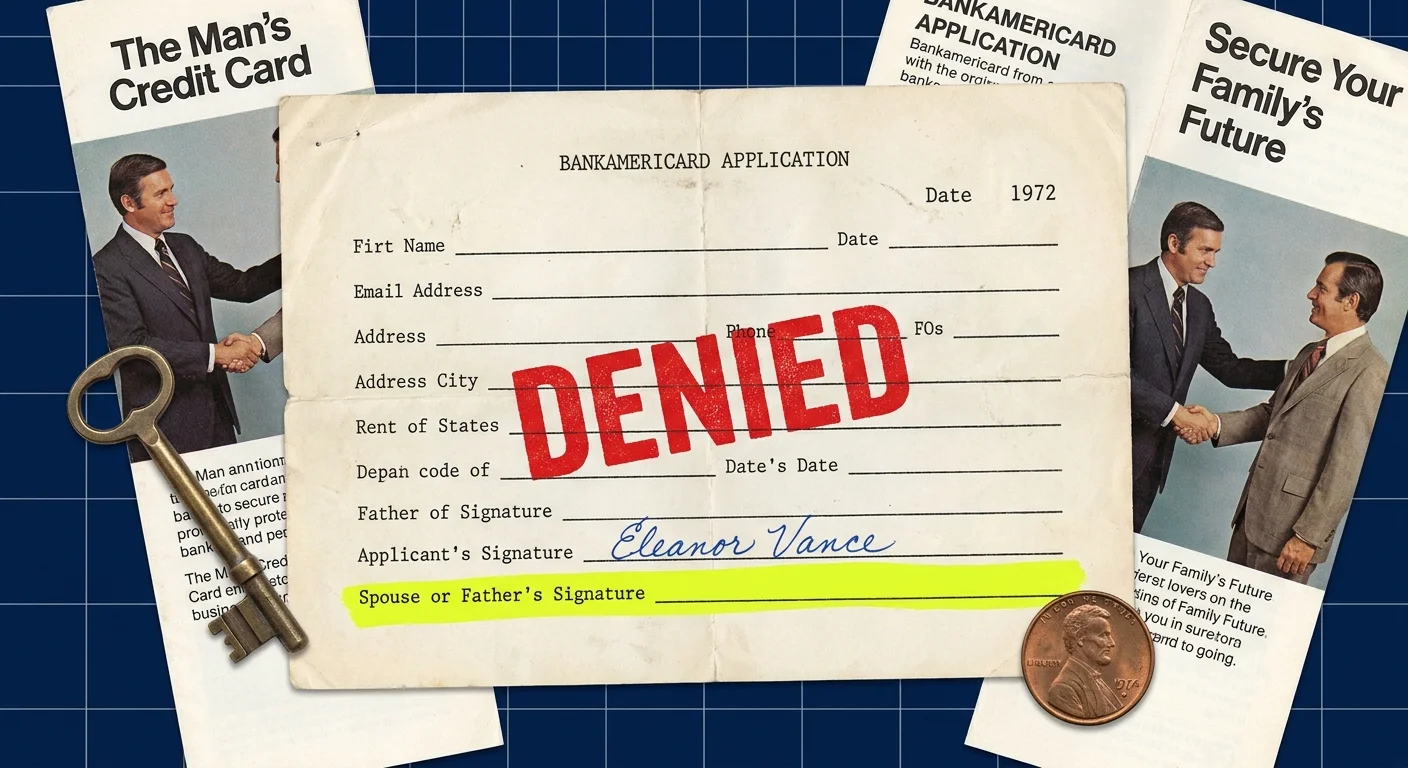
2. Women Needed a Male Cosigner for a Credit Card
Prior to the early 1970s, major financial institutions wielded unchecked power to deny single, divorced, or widowed women access to basic credit. Even heavily employed women regularly walked into banking branches and walked out empty-handed unless they brought a husband, father, or brother to cosign their loan documents. Mortgage lenders routinely discounted a working wife’s income by half—or ignored it entirely—under the sexist assumption that she would inevitably quit her career to raise children. The passage of the Equal Credit Opportunity Act in 1974 finally dismantled these blatantly discriminatory lending practices. This landmark federal legislation legally forced financial institutions to evaluate credit applicants based strictly on their personal financial merits, transforming economic independence for women across the country.
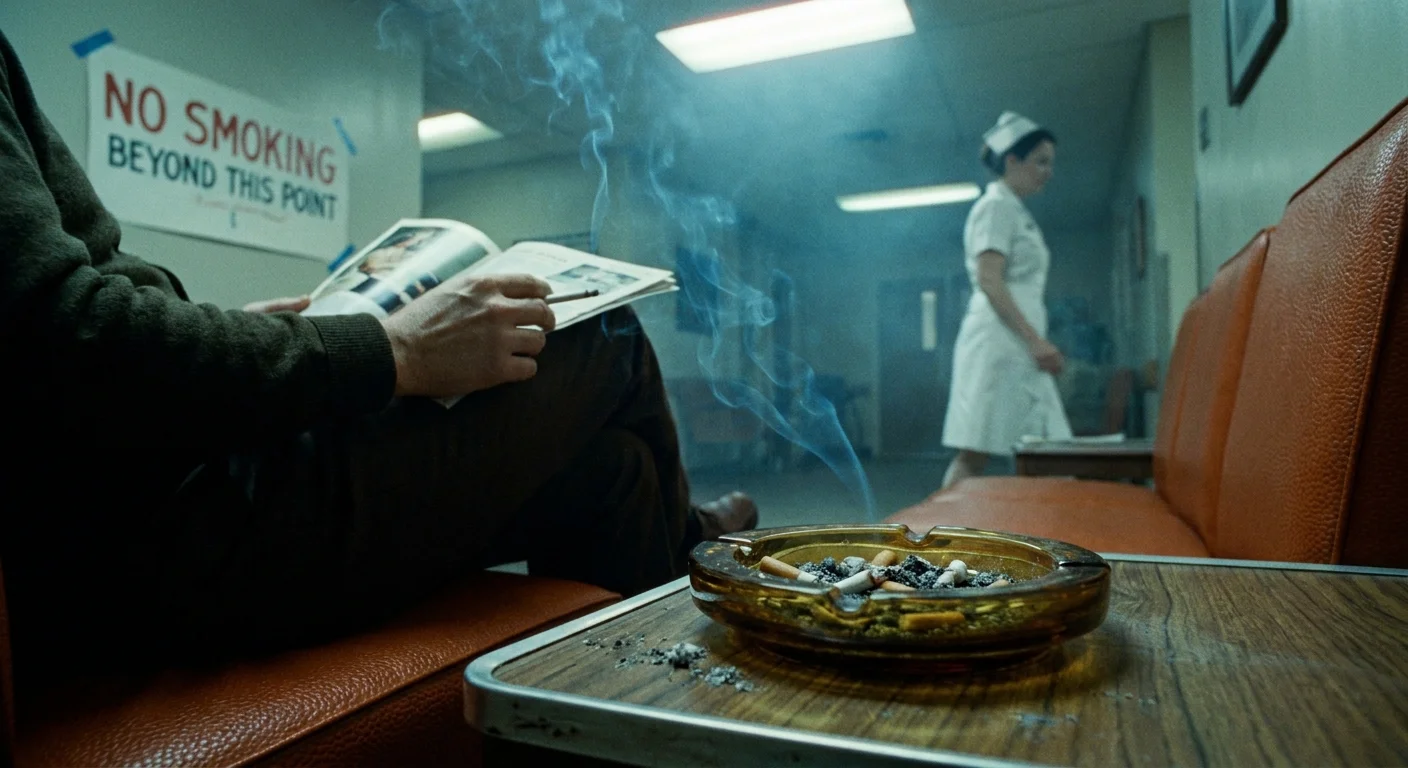
3. Smoking in Hospitals and Airplanes Was a Mandatory Routine
Tobacco companies completely saturated American life during this decade, making cigarette smoke an unavoidable environmental reality. You would routinely find heavy glass ashtrays securely mounted in hospital corridors, grocery store aisles, and even college classroom desks. Airlines allowed passengers to chain-smoke in incredibly confined, unventilated cabins, merely separating the aircraft into arbitrary smoking and non-smoking sections that shared the exact same recirculated air. Physicians routinely advertised specific cigarette brands in medical journals, while tobacco conglomerates sponsored prime-time family television programming and plastered massive advertisements across professional sports stadiums. Society viewed secondhand smoke as a minor annoyance rather than a deadly health hazard, a mindset that took decades of relentless public health campaigning to finally eradicate.

4. Children Rode in Pickup Truck Beds Without Seatbelts
American families treated automobile interiors like rolling living rooms devoid of physical consequences. Children regularly rode completely unrestrained in the flatbeds of pickup trucks at full highway speeds, or tumbled around the spacious rear cargo areas of massive wood-paneled station wagons during family road trips. Automakers fought aggressively against mandatory safety features, viewing them as costly hindrances to consumer aesthetics. The National Highway Traffic Safety Administration spent years battling immense political and cultural resistance to establish basic safety standards. Remarkably, the very first state to legally mandate seatbelt use for drivers—New York—did not pass its legislation until 1984. Before then, wearing a seatbelt remained a strictly optional, frequently mocked personal choice rather than a legal requirement.

5. Lethal Lawn Darts Were the Ultimate Family Game
Known commercially as Jarts, these wildly popular outdoor toys featured heavy, aerodynamic metal tips deliberately designed to aggressively pierce the earth. Families handed these heavy projectiles to unsupervised children during backyard barbecues, encouraging them to toss the foot-long spikes blindly through the air toward plastic target rings. The results proved entirely predictable and devastating. These heavy metal darts caused thousands of severe emergency room visits, countless permanent injuries, and several tragic child fatalities. After years of mounting medical evidence and intense parental lobbying, the Consumer Product Safety Commission eventually banned their sale completely in 1988, rendering them an infamous symbol of an era that heavily prioritized unregulated consumer fun over basic child safety.

6. Hitchhiking Was the Standard Way to Navigate the Country
Thumbing a ride represented a perfectly valid, culturally celebrated method of transportation across the United States. Teenagers and young adults lined highway on-ramps daily to cross state lines, visit friends, or commute to local universities without spending money. Pop culture heavily romanticized hitchhiking as a symbol of ultimate freedom and youth rebellion, fueled by the booming counterculture movement. Drivers routinely picked up total strangers without a second thought. This widespread practice only plummeted in popularity after a highly publicized series of grisly highway crimes and serial killer investigations drastically shifted public perception. The media narrative rapidly transformed hitchhiking from a harmless romantic adventure into an activity associated with extreme, life-threatening danger.
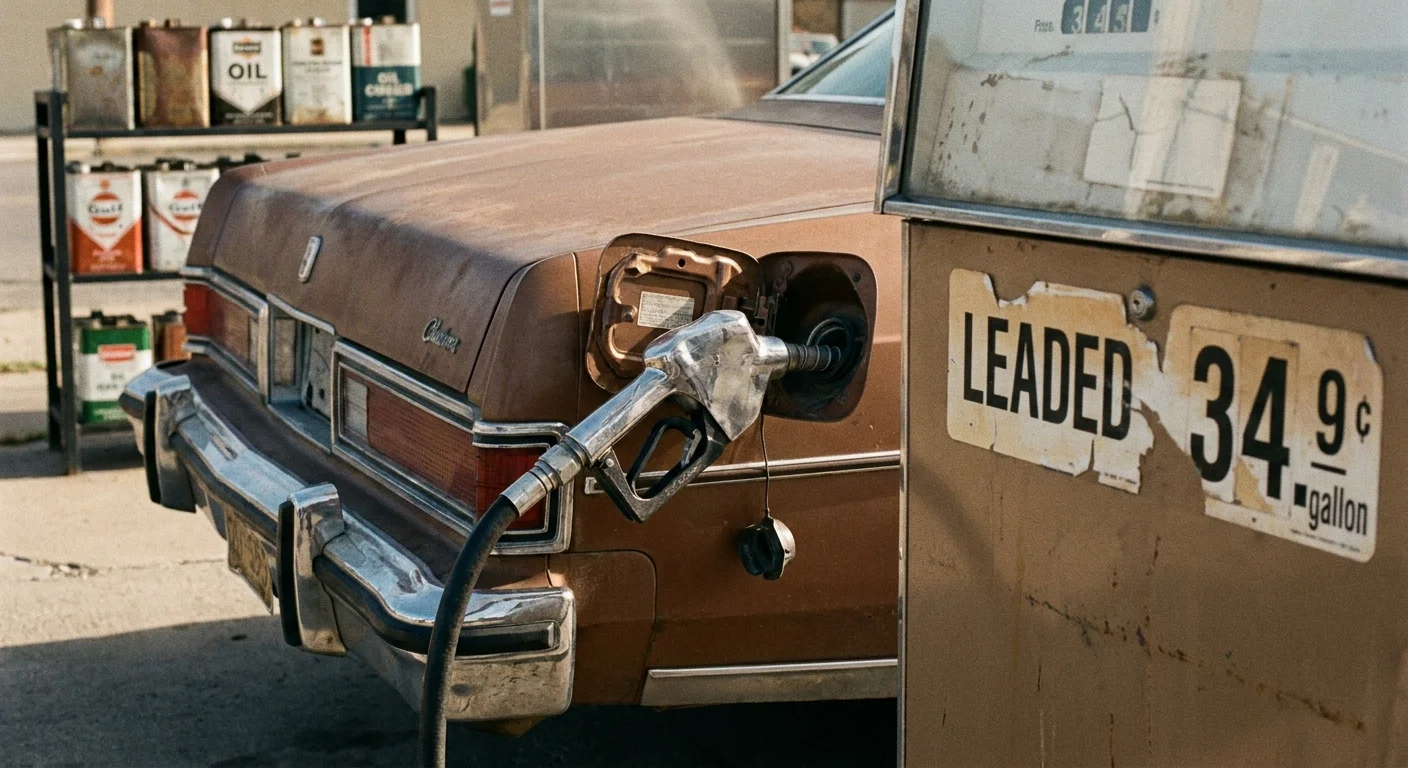
7. Leaded Gasoline and Paint Coated Everyday Life
Society literally coated its immediate surroundings in a heavily documented, brain-damaging neurotoxin. Vehicles burning leaded gasoline spewed massive clouds of heavy metals directly into the air you breathed every single day. Meanwhile, residential construction companies slathered the walls of suburban family homes in cheap, durable lead-based paint. Medical professionals began noticing drastically elevated blood lead levels in children, correlating directly with severe cognitive damage, behavioral issues, and lower intelligence scores. Armed with undeniable scientific data, the Environmental Protection Agency forced a massive, highly contested phase-out of lead additives in fuel and paint throughout the decade, launching one of the most successful public health interventions in modern human history.
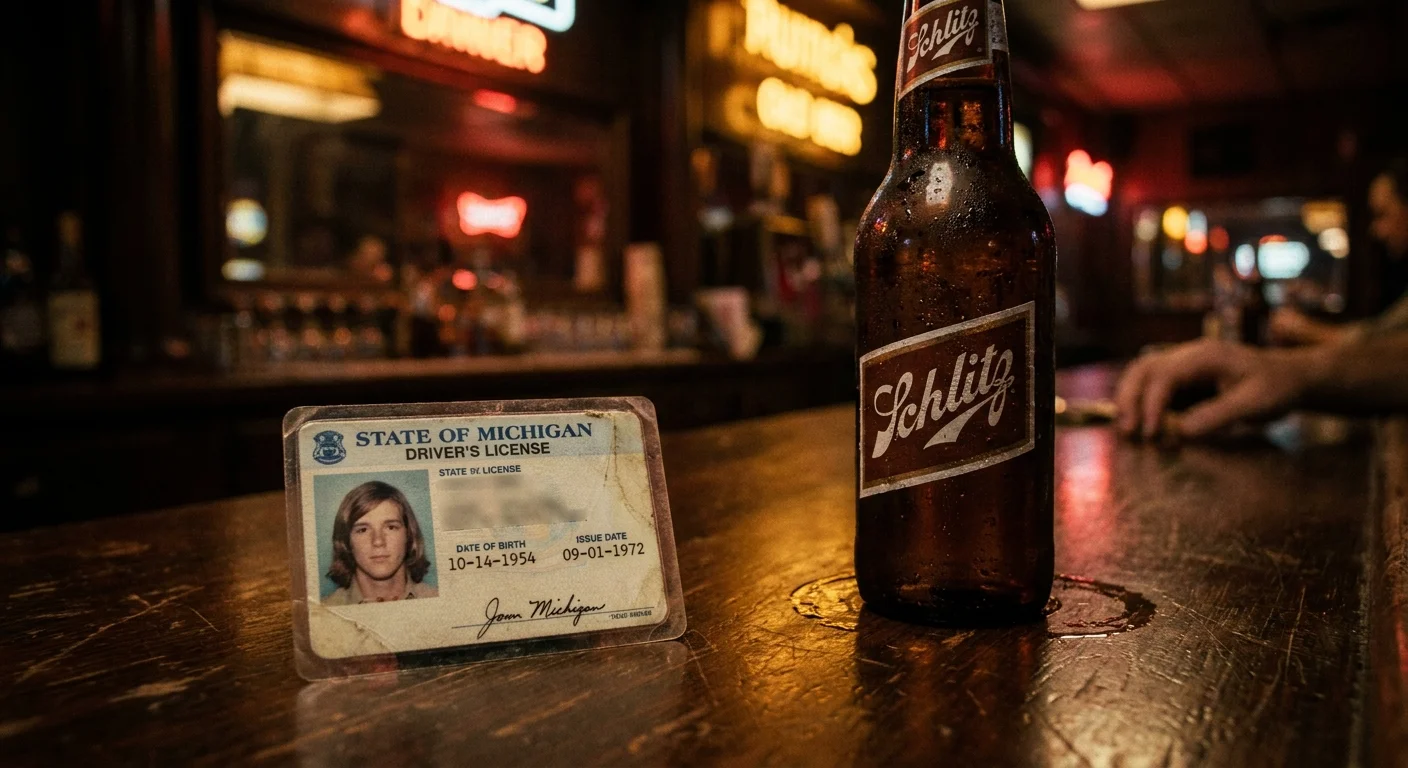
8. The Legal Drinking Age Was Eighteen
When the Twenty-Sixth Amendment successfully lowered the national voting age to eighteen in 1971, dozens of individual states swiftly lowered their legal drinking ages to match. Lawmakers reasoned that if eighteen-year-olds possessed the maturity to fight in the Vietnam War and vote for the President, they deserved the right to order a beer. Consequently, high school seniors frequently purchased alcohol legally, throwing massive sanctioned parties. This dramatic policy shift led to horrific, immediate spikes in fatal drunk driving accidents involving young adults. The resulting carnage forced the federal government to intervene aggressively in 1984, threatening to withhold critical federal highway funds unless states raised their minimum drinking age back up to twenty-one.

9. Asbestos Lined Your Handheld Hair Dryer
Daily grooming carried invisible, deeply microscopic risks during the 1970s. Major home appliance manufacturers deliberately insulated standard handheld hair dryers with panels of pure asbestos, valuing its incredibly cheap heat-resistant properties. When you turned on the device after a shower, the heated airflow actively blasted cancer-causing asbestos fibers directly into your face and deep into your lungs. The resulting massive product recalls shocked millions of American consumers who naturally assumed everyday bathroom appliances underwent rigorous federal safety testing before hitting department store shelves. This terrifying oversight forced a massive overhaul in how consumer protection agencies monitor the specific materials used inside small household electronics.

Meaning and Context: Why the 1970s Felt So Different
To understand why these shocking norms existed, you have to look at the broader cultural transition happening during the 1970s. This decade operated as the great bridge between the post-war industrial boom and the modern regulatory era. Following the massive economic expansion of the 1950s and 1960s, American manufacturing prioritized speed, convenience, and low costs above all else. Corporations operated with minimal federal oversight, allowing highly toxic materials like lead and asbestos to infiltrate daily consumer goods seamlessly.
However, the 1970s also birthed the modern consumer protection movement. The federal government established powerful oversight organizations—including the Environmental Protection Agency, the Occupational Safety and Health Administration, and the Consumer Product Safety Commission—in rapid succession. For the first time in American history, scientists possessed both the mandate and the technology to trace public health crises directly back to commercial products. The transition was brutal and highly contested; massive corporations fought viciously against seatbelt laws, smoking bans, and heavy metal regulations, claiming these new rules would destroy the American economy. The death of these bizarre 1970s norms represents the triumph of empirical scientific data over unchecked corporate convenience.
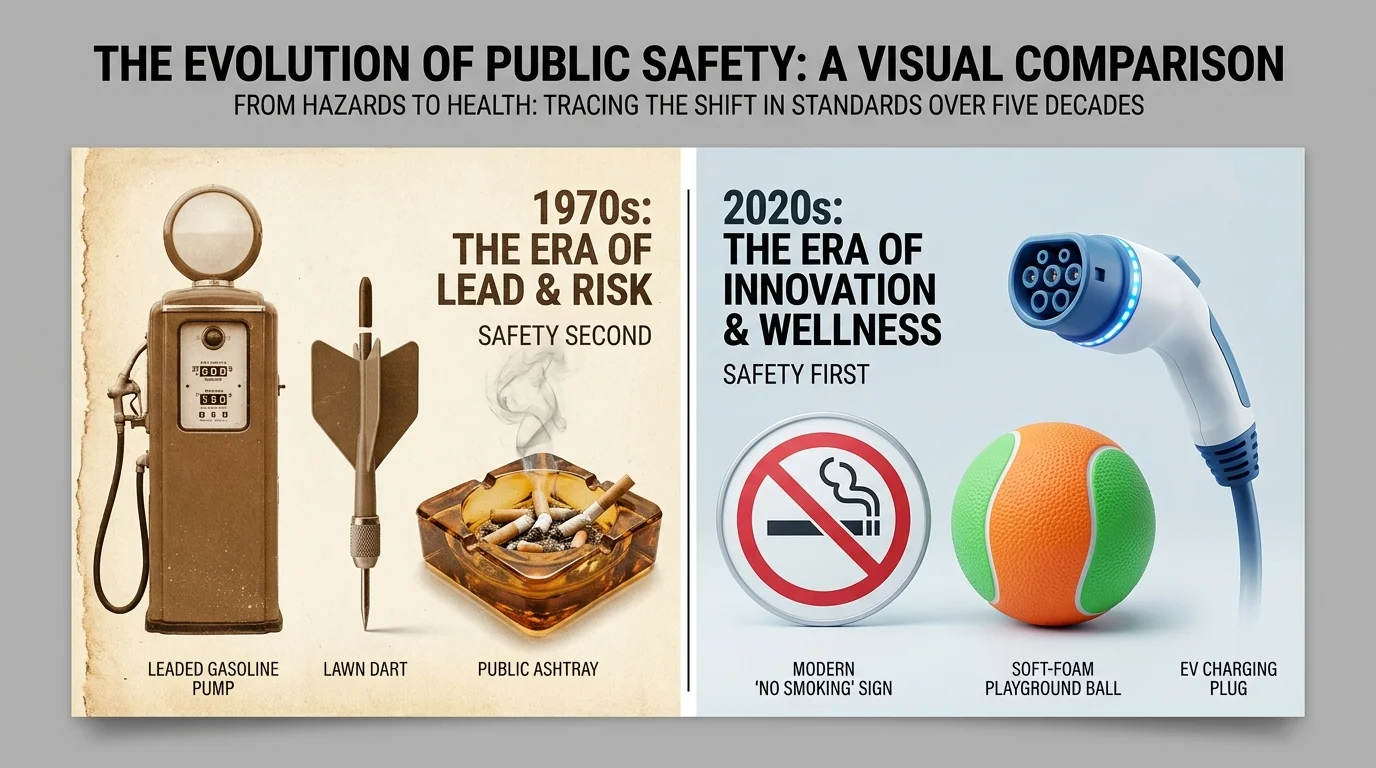
Everyday Impact: Recognizing the Shift in Modern Life
Examining the bizarre realities of the 1970s offers you highly practical insights into how you navigate the modern world today. First, it highlights the immense value of active consumer protection laws. When you strap your child into a rigidly tested car seat or check an appliance for safety certifications, you directly benefit from the hard-fought regulatory battles of the late twentieth century. You can leverage this historical awareness by remaining highly vigilant about modern consumer recalls; check the Consumer Product Safety Commission database regularly to ensure the products in your home meet current safety standards.
Furthermore, recognizing the history of financial discrimination empowers you to actively manage your financial health. Because the Equal Credit Opportunity Act guarantees your right to build credit regardless of gender or marital status, you should routinely pull your credit reports and aggressively challenge any discrepancies. Finally, looking at how society blindly accepted leaded gasoline and indoor smoking should prompt you to question current environmental norms. Pay close attention to emerging scientific research surrounding microplastics and chemical additives in modern food packaging, as these invisible hazards may very well represent our current era’s equivalent of the 1970s asbestos hair dryer.
Frequently Asked Questions About 1970s America
Why did people genuinely believe hitchhiking was a safe way to travel?
During the late 1960s and early 1970s, youth counterculture actively promoted hitchhiking as a beautiful exercise in community trust and anti-capitalist freedom. Many young people viewed sharing a ride as a cooperative social act rather than a massive physical risk. The national highway system was still relatively new, and the media had not yet begun heavily reporting on the grim realities of highway serial killers. It took highly publicized tragedies and aggressive police awareness campaigns to finally break the romanticized illusion of the open road.
How did airlines finally manage to stop the weekly hijackings?
The epidemic of skyjackings came to an abrupt halt in 1973 when the Federal Aviation Administration finally implemented universal physical screening. Before this mandate, airlines fiercely resisted searching passengers, believing that treating customers like criminal suspects would destroy ticket sales. Once the government forced airlines to install metal detectors and manually search carry-on luggage at every single gate, the opportunistic hijackings dropped to near zero almost overnight.
When did the government finally step in to ban lawn darts?
The Consumer Product Safety Commission banned the sale of lawn darts in the United States in 1988. This total ban occurred only after a father named David Snow launched an aggressive grassroots lobbying campaign following the tragic death of his young daughter, who was struck by a stray dart. His relentless push forced the federal government to look at the staggering emergency room data, proving that voluntary warning labels completely failed to protect children from the heavy metal projectiles.
Why was the drinking age lowered to eighteen in the first place?
The national push to lower the drinking age stemmed directly from the Vietnam War draft. As thousands of eighteen-year-old men were drafted to fight and die overseas, public outrage erupted over the hypocrisy that these young soldiers legally lacked the right to vote or drink a beer. The ratification of the Twenty-Sixth Amendment in 1971 lowered the voting age to eighteen, prompting many states to align their drinking ages accordingly. The subsequent spike in highway fatalities eventually forced the government to reverse course a decade later.
Curiosity Close: Reflecting on American Life Since the 1970s
The chaotic, unregulated reality of 1970s America serves as a stunning reminder of how rapidly societal norms can completely transform. Norms that once felt as natural as breathing—like smoking on an airplane or tossing a heavy metal spike across a crowded yard—now sound like the plot of a dystopian novel. As you navigate your daily routine, take a moment to appreciate the seatbelts, clean air regulations, and financial protections that actively safeguard your life. Keep questioning the everyday products you use, stay curious about emerging scientific data, and never stop demanding evidence-based safety standards for the future.