
The Mind-Bending Hook: A Biological Symphony
You close your eyes, drift into the darkness, and assume your body simply powers down. Many treat sleep like plugging a laptop into the wall—a passive, uneventful period of doing absolutely nothing. The moment your conscious mind surrenders, a highly choreographed biological symphony actually takes over. Your internal systems aggressively shift from gathering external resources to executing profound cellular maintenance. What feels like eight hours of static rest represents the most biochemically active phase of your entire biological cycle. Researchers continually uncover astonishing nocturnal mechanisms that keep human beings functioning and thriving. You are about to discover precisely what happens under the hood when the bedroom lights go out; the scientific reality proves infinitely more dynamic than mere rest.
The Evidence Trail: 10 Astonishing Nighttime Body Facts
1. Your Brain Power-Washes Itself
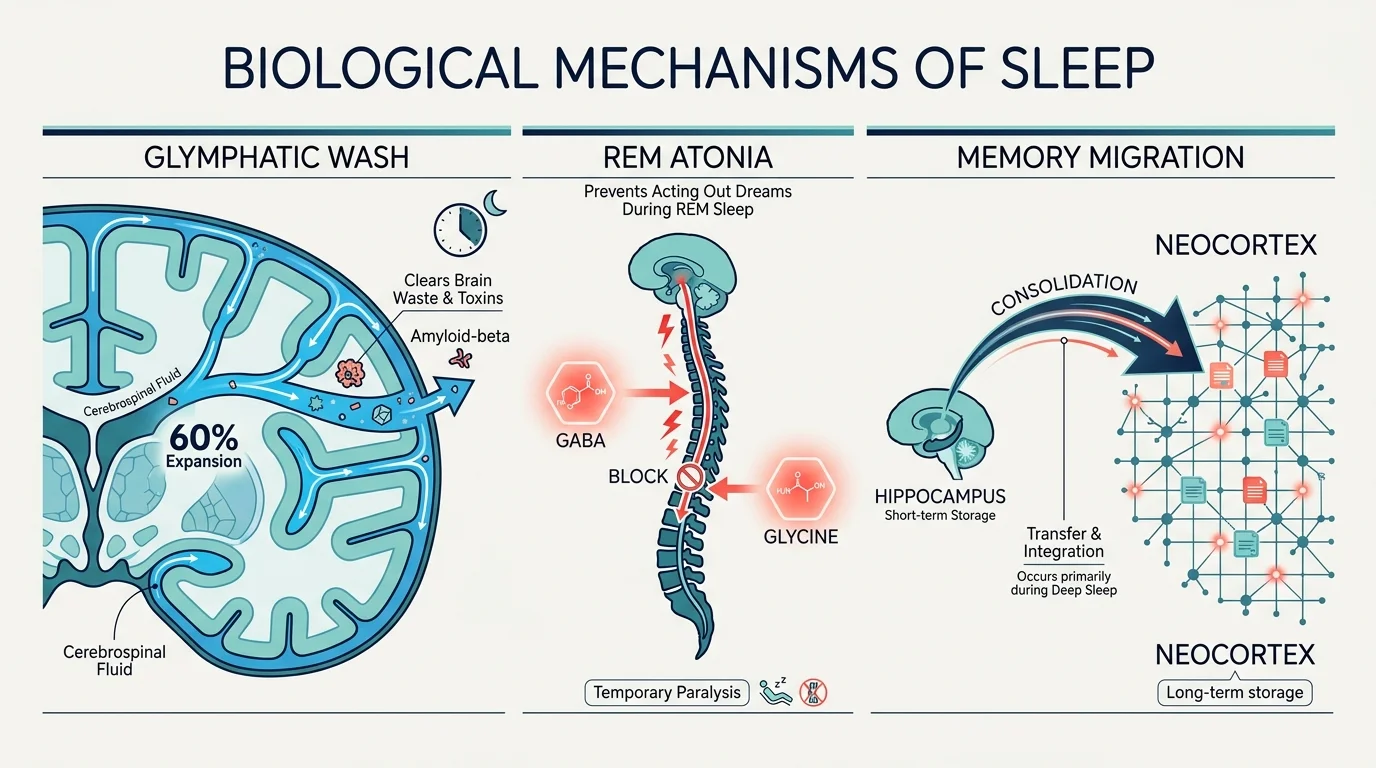
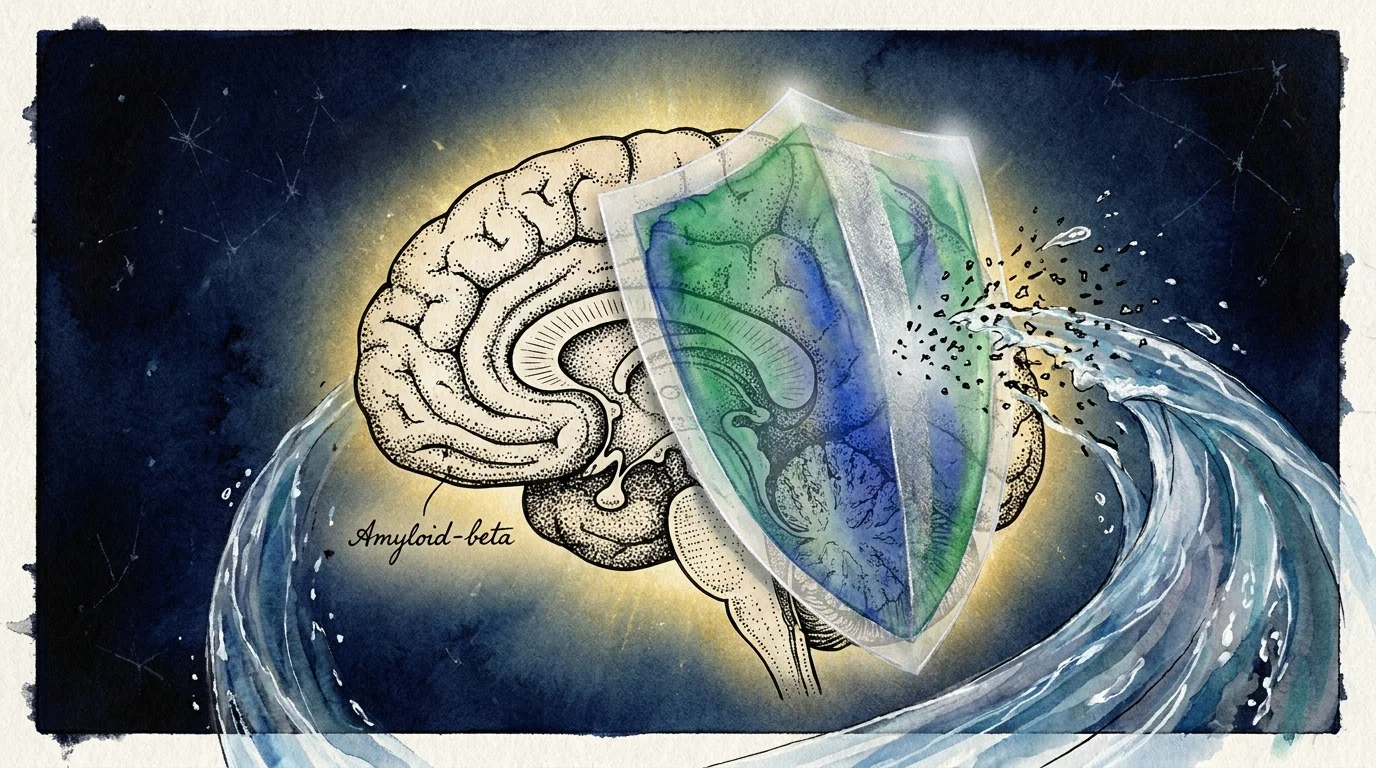
Every night, your brain physically changes its own shape. During slow-wave sleep, the fluid-filled spaces between your brain cells expand by up to sixty percent. This structural shift allows cerebrospinal fluid to rush through the tissue, effectively power-washing your neural circuitry. Scientists refer to this highly efficient waste clearance network as the glymphatic system. This nocturnal rinse flushes out toxic byproducts accumulated during your waking hours, including amyloid-beta—a dangerous protein closely linked to severe neurodegenerative diseases. Without this biological dishwasher, metabolic trash builds up and actively impairs your cognitive function the following day. Relying on recent discoveries in neuroscience, we now know that prioritizing deep sleep serves as your absolute first line of defense against cognitive decline.
2. You Experience Temporary Paralysis
When you enter Rapid Eye Movement sleep, your brain actively paralyzes your voluntary muscles. Two powerful neurotransmitters, GABA and glycine, switch off the specialized cells in your brainstem that ordinarily allow your limbs to move. This bizarre phenomenon, known scientifically as REM atonia, protects you from physically acting out your dreams. If you dream about sprinting away from danger or jumping over obstacles, your motor cortex fires the exact same electrical signals it would if you were awake. Fortunately, the chemical roadblock in your spinal cord stops those signals dead in their tracks. You remain completely still on your mattress while your mind races through vivid, action-packed landscapes.
3. Your Brain Migrates and Organizes Memories
Your waking brain acts as a temporary sponge, soaking up vast amounts of daily information. However, that fresh data remains highly fragile until you finally fall asleep. While you slumber, your hippocampus replays the day’s events at lightning speed. It then routes these fresh memories to the neocortex, where they become permanently etched into your long-term storage banks. Extensive clinical research on transferring daily experiences into long-term storage shows that sleep actively stabilizes and categorizes your memories. You literally learn, process emotions, and refine your physical skills while you are completely unconscious.
4. Your Tissues Flood With Growth Hormone
You might assume physical growth stops when you reach adulthood, but your body continuously breaks down and rebuilds tissue every single day. The overwhelming majority of this physical reconstruction occurs during the deepest stages of your sleep cycle. Your pituitary gland releases a massive, restorative pulse of human growth hormone shortly after you drift off. This systemic chemical surge triggers heavy amino acid uptake and protein synthesis across your entire body. Whether you need to recover from a grueling physical workout or maintain your bone density, you depend entirely on these peak periods of physical restoration.
5. Your Core Temperature Deliberately Drops
Falling asleep requires a literal cooling-off period. To initiate your nightly sleep cycle, your core body temperature must drop by roughly one to two degrees Fahrenheit. Your body accomplishes this rapid thermal shift by dilating the blood vessels in your hands and feet, radiating internal heat out into the surrounding environment. This deliberate, internal cooling continues throughout the night, hitting its absolute lowest point around four in the morning. This physiological trait completely explains why you frequently kick off your blankets when you first get into bed, only to pull them tightly around your freezing shoulders a few hours later.
6. Your Kidneys Radically Slow Down
If your internal organs functioned at their normal daytime pace, you would wake up every two hours to use the bathroom. To prevent this severe exhaustion, your brain secretes an antidiuretic hormone called ADH. This clever chemical messenger travels directly to your kidneys and commands them to dramatically slow down their urine production. The kidneys instantly respond by highly concentrating the small amount of liquid waste they do process. This sophisticated fluid management allows you to rest undisturbed. When this specific hormonal system falters, your sleep architecture quickly crumbles from constant waking.
7. Your Cardiovascular System Takes a Crucial Break
Your cardiovascular system works relentlessly while you are awake, pumping blood against gravity and reacting to constant environmental stress. Sleep provides the only genuine, sustained break your heart ever receives. During non-REM sleep, your blood pressure naturally drops by ten to twenty percent. Your heart rate aggressively slows to a steady, relaxed rhythm. Cardiologists universally refer to this nocturnal dipping as an essential mechanism for long-term cardiovascular longevity. If your blood pressure constantly fails to dip at night, you face a significantly higher risk of developing severe heart disease.
8. Your Skin Regeneration Rapidly Accelerates
The classic concept of “beauty sleep” rests on incredibly solid scientific evidence. Your skin cells undergo their most aggressive regeneration process while you are unconscious. Cellular mitosis—the biological process where cells divide and replace themselves—hits its absolute peak activity around midnight. Furthermore, the nighttime drop in cortisol, your primary stress hormone, allows your skin to actively repair environmental damage from ultraviolet exposure and daily pollution. If you routinely sacrifice your sleep, your cortisol levels remain elevated, breaking down precious collagen and accelerating the formation of fine lines.
9. Your Digestion Grinds to an Absolute Halt
Eating a massive meal right before bed almost always results in a miserable night of tossing and turning. This discomfort happens because your digestive system practically goes on strike when you fall asleep. The muscular contractions that push food through your gastrointestinal tract, formally known as peristalsis, slow down to an absolute crawl. Saliva production plummets, and your stomach empties at a tiny fraction of its daytime speed. Your body purposefully diverts critical energy away from processing heavy food and aggressively redirects it toward vital neurological maintenance and deep tissue repair.
10. You Exhale Your Weight Away
You actually wake up lighter than when you went to bed. While you sleep, you continuously lose water weight through normal perspiration and the ambient moisture in your breath. More fascinatingly, as your cells burn stored energy to fuel intense nighttime maintenance, they produce carbon dioxide as a metabolic waste product. A landmark study proved that human beings literally exhale carbon dioxide and water vapor to efficiently eliminate burned fat. The lungs operate as the primary excretory organ for human weight loss; you breathe out the physical mass of processed carbon all night long.
Meaning and Context: Why Sleep Science Matters
Understanding these profound nocturnal processes completely changes how we view human biology. Historically, modern cultures treated sleep as an unfortunate necessity that merely stole valuable time away from productive labor. The advent of artificial lighting further marginalized our biological need for rest, treating the fragile human body like a durable machine requiring only occasional powering down. Modern sleep science entirely shatters this harmful industrial myth. We now know that evolutionary biology intentionally dedicated a full third of our lives to extreme, mandatory physiological maintenance. The highly sophisticated interplay between your brain, your hormones, and your cellular structures proves that rest is an incredibly active, demanding state. Recognizing this biological reality forces us to severely reevaluate our societal relationship with exhaustion. You simply cannot cheat the biological system without paying a severe metabolic price.
Everyday Impact: Optimizing Your Nightly Regeneration
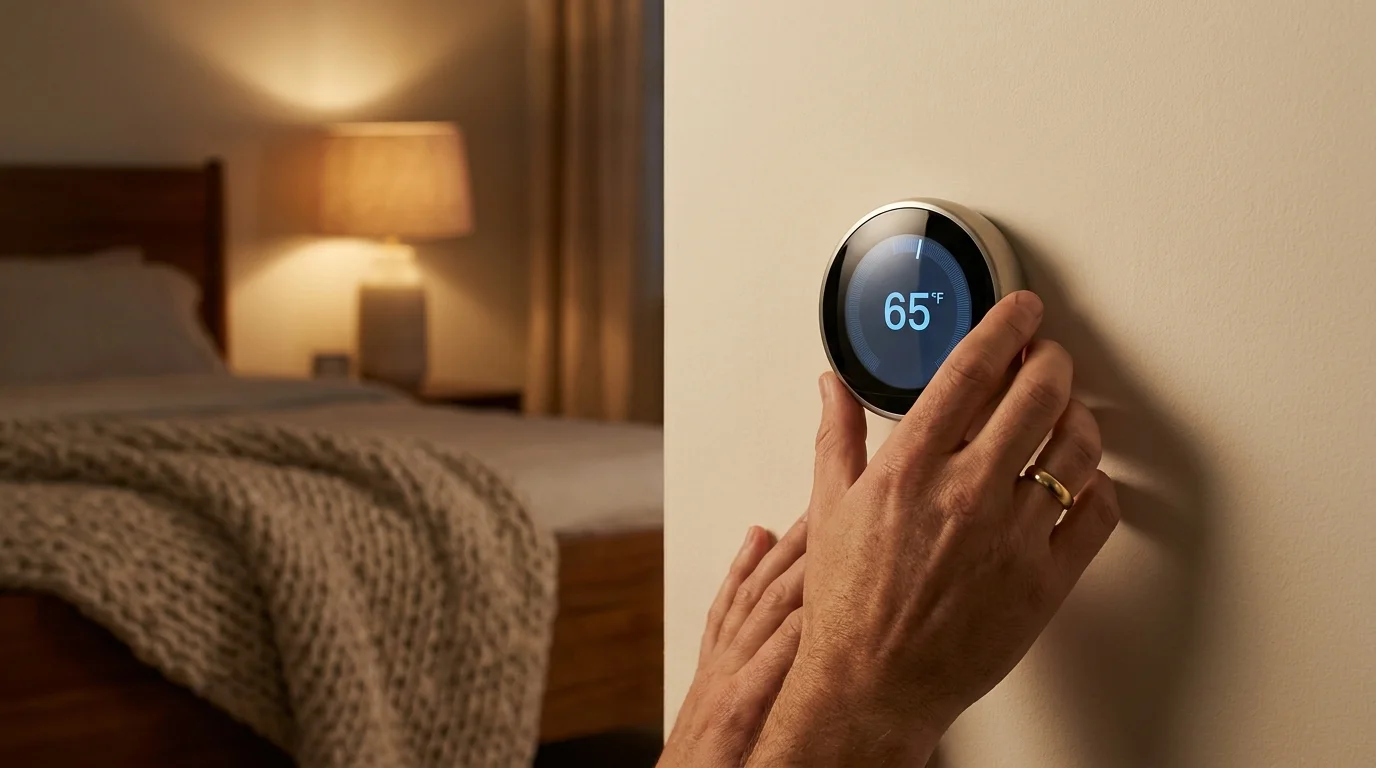
You can actively harness this biological knowledge to deliberately optimize your nightly regeneration. Start by deeply respecting your natural core temperature drop; keep your sleeping environment around sixty-five degrees Fahrenheit to reliably facilitate the rapid onset of deep, restorative sleep. Next, consciously time your fluid and food intake to match your slowed nocturnal digestion. Stop eating heavy meals three full hours before bed, and aggressively taper off your liquids to support your kidneys’ crucial hormone production. You absolutely must prioritize a consistent sleep schedule to anchor your circadian rhythm. Going to bed at the exact same time every night ensures that your growth hormone pulses and memory consolidation phases occur predictably and efficiently. Treat your bedroom as a specialized sanctuary strictly for cellular repair. Aligning your daily habits with natural nighttime mechanics officially unlocks higher cognitive performance and dramatically enhanced physical recovery.
Frequently Asked Questions
Why do I sometimes jerk awake just as I fall asleep?
That sudden, terrifying jolt is medically called a hypnic jerk. As your brain rapidly transitions from wakefulness into early sleep, your muscle tone relaxes significantly. Occasionally, your brain dangerously misinterprets this sudden relaxation as a signal that you are physically falling. It instantly fires a frantic motor signal to your limbs to catch yourself, causing you to violently twitch and snap awake.
Do we only dream during REM sleep?
While Rapid Eye Movement sleep definitely produces the most vivid, story-like dreams, you actually dream across all of your sleep stages. Dreams occurring during deep, non-REM sleep simply tend to be much more conceptual or emotion-based rather than the bizarre, cinematic narratives you regularly experience during the intense REM cycle.
Can you catch up on missed sleep over the weekend?
You cannot entirely wipe out a significant sleep debt with a weekend marathon. While sleeping in can certainly help you feel temporarily better, chronic sleep deprivation causes dangerous, cumulative damage to your metabolic health and cognitive baseline. Consistent, nightly rest remains far superior to weekend binge sleeping.
Why do I occasionally wake up feeling totally paralyzed?
This terrifying phenomenon is clinically known as sleep paralysis. It happens when you wake up just before the specific chemical mechanism—REM atonia—that paralyzes your muscles during dreaming completely wears off. Your conscious mind is awake, but your motor control has not yet caught up. Though highly frightening, it remains entirely harmless and naturally resolves within seconds.
The Curiosity Close
The sheer complexity of what happens when you finally close your eyes proves that your biology relentlessly works in your favor. From aggressively flushing out dangerous neurological toxins to permanently etching brand-new skills into your long-term memory banks, your nightly slumber represents an absolute triumph of evolutionary engineering. The next time you crawl into bed, actively remember the extraordinary, unseen labor that meticulously prepares you for tomorrow. Take this fascinating knowledge and deliberately elevate your own nighttime routine. A vastly better waking life officially begins the exact moment you fall asleep.