
You navigate a world shaped by stories, simplified science lessons, and viral statistics. Over time, these repeated ideas solidify into undeniable facts in your mind. However, when you look closely at the ecological and geological realities of Earth, the truth often reveals a far more complex and awe-inspiring planet. Disentangling fact from fiction does more than just win you trivia games; it fundamentally changes how you understand ecosystems, climate systems, and your own impact on the natural world. Prepare to rethink the ground beneath your feet and the air you breathe.
1. The Amazon Rainforest Is the Lungs of the Earth
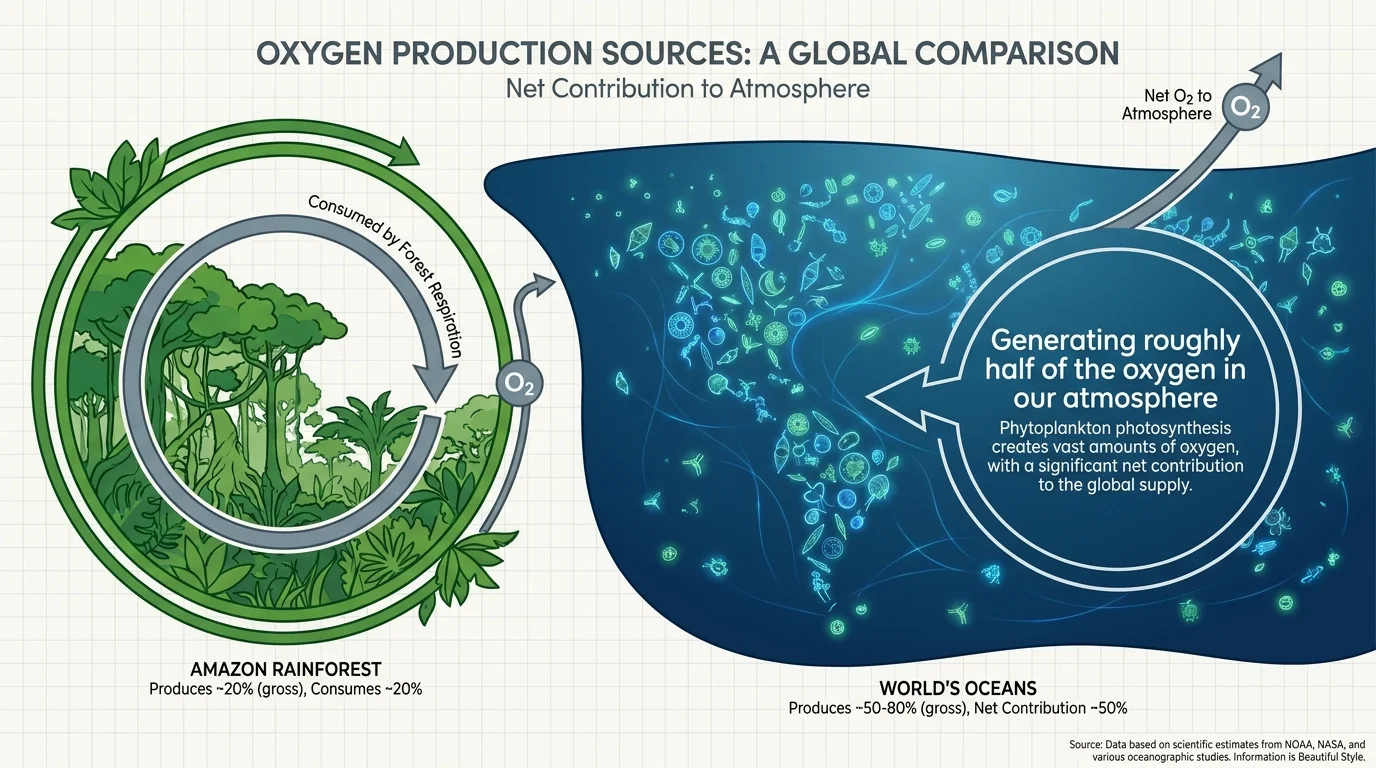
You grew up hearing that the Amazon rainforest produces twenty percent of the oxygen we breathe, acting as the primary biological lung of our planet. The reality involves a much deeper planetary connection. The Amazon consumes almost all the oxygen it generates through the daily respiration of its own plants, soil microbes, and diverse animal life. The true lungs of the Earth reside in the vast, open ocean. Microscopic marine algae called phytoplankton drift across the sunlit surface layers of the sea, generating roughly half of the oxygen in our atmosphere. Protecting marine ecosystems directly preserves the biological engine that allows humanity to draw its next breath.
2. Plastic Recycling Solves the Pollution Crisis
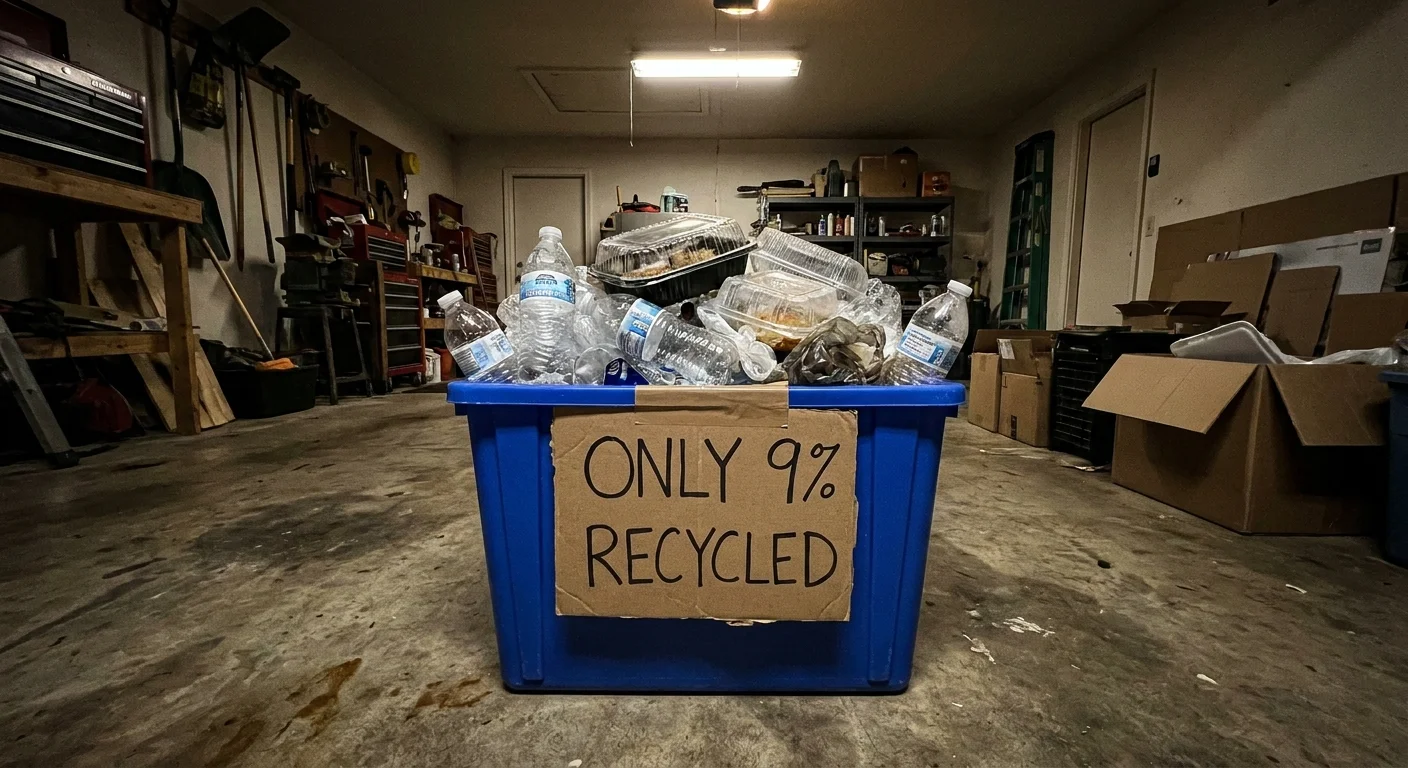
Consumers dutifully toss empty bottles into blue bins, trusting that municipal recycling programs will solve the mounting global pollution crisis. The data tells a highly sobering story about modern waste management. Since the dawn of mass production, only about nine percent of all plastic ever manufactured has actually been recycled. The remaining billions of tons sit in landfills, disintegrate into microplastics in our oceans, or release toxic emissions through incineration. Furthermore, the mechanical recycling process heavily degrades plastic polymers; most items only endure a single recycling loop before becoming unusable waste. Reducing single-use plastics at the source remains the only mathematically viable strategy to protect our marine environments.
3. Trees Grow From Nutrients in the Soil
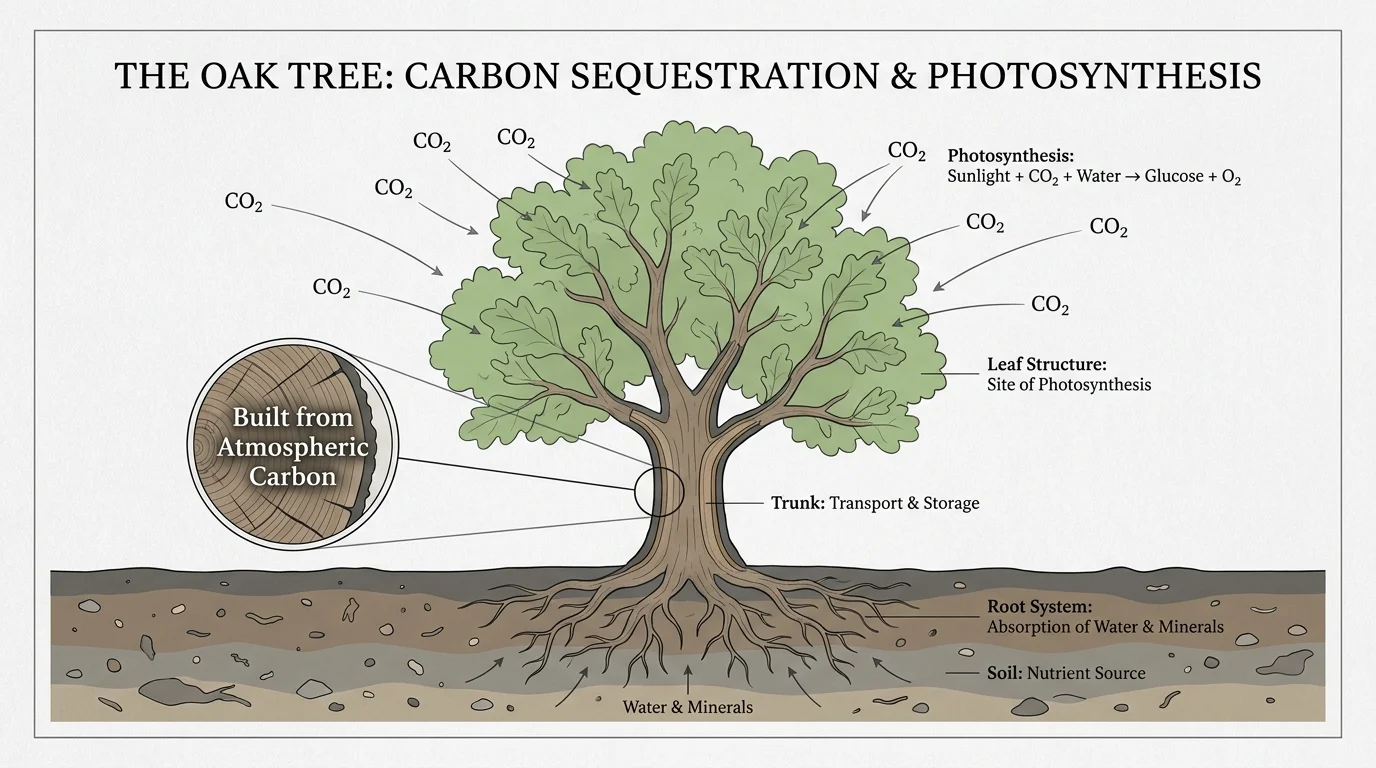
When you look at a towering redwood or a massive oak tree, you naturally assume its dense physical structure emerged from nutrients pulled directly out of the dirt. This logical assumption misses the invisible magic of photosynthesis. Trees actually build their solid physical mass out of thin air. Leaves pull invisible carbon dioxide gas from the atmosphere, strip away the oxygen, and use the remaining carbon molecules to construct rigid wood, bark, and roots. Forests function as massive, living reservoirs of captured atmospheric carbon. By planting native trees, you actively pull structural building blocks out of a warming atmosphere and lock them safely away for centuries.
4. Overpopulation Drives Climate Change
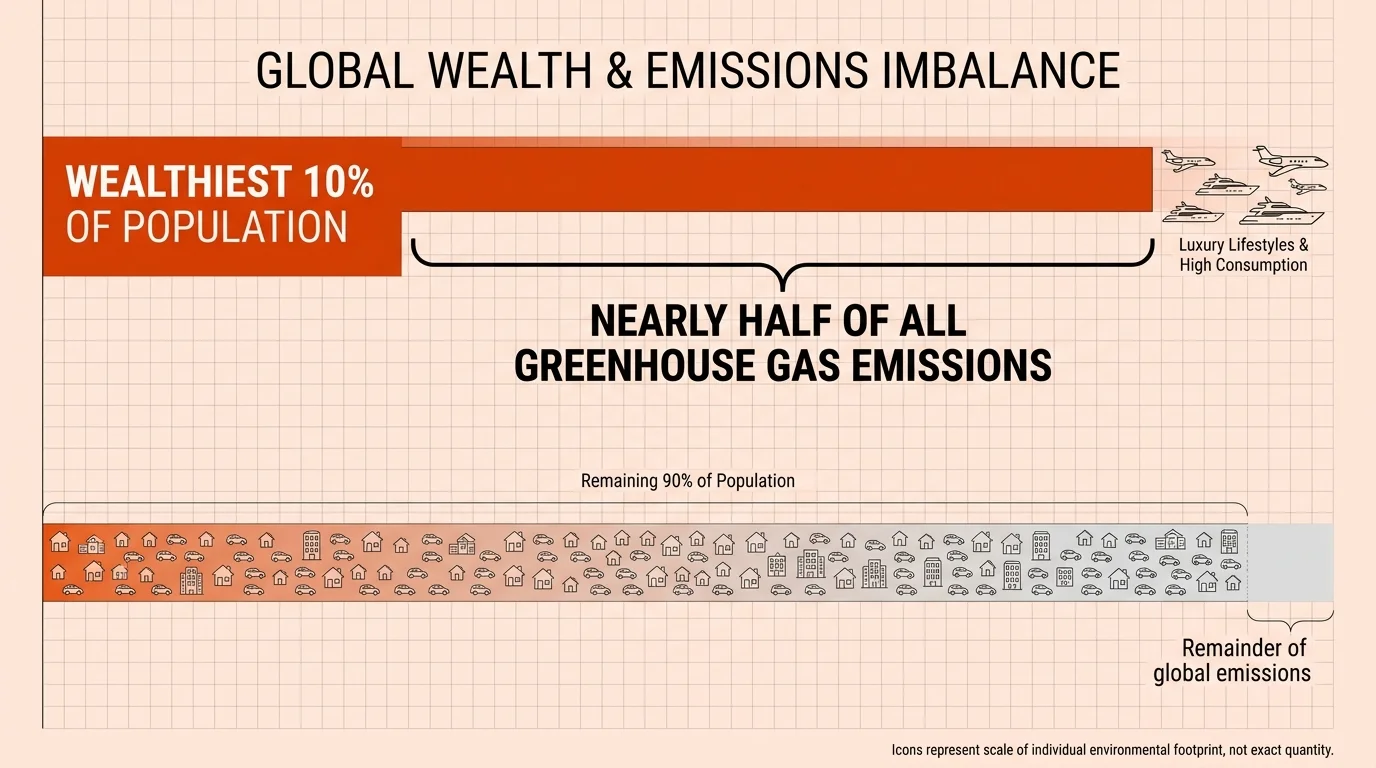
Many people point to raw human population growth as the primary trigger for global ecological collapse. You must look closer at the economic data to understand the real environmental driver: unequal resource consumption. Population growth happens predominantly in developing nations with incredibly low per-capita carbon footprints. Meanwhile, the wealthiest ten percent of the global population produces nearly half of all consumption-based greenhouse gas emissions. Blaming sheer population numbers shifts the responsibility away from the industrialized nations that consume the vast majority of the world’s fossil fuels, meat, and consumer goods. Addressing the climate crisis requires you to rethink hyper-consumption in wealthy societies.
5. Mount Everest Is the Point Closest to Space
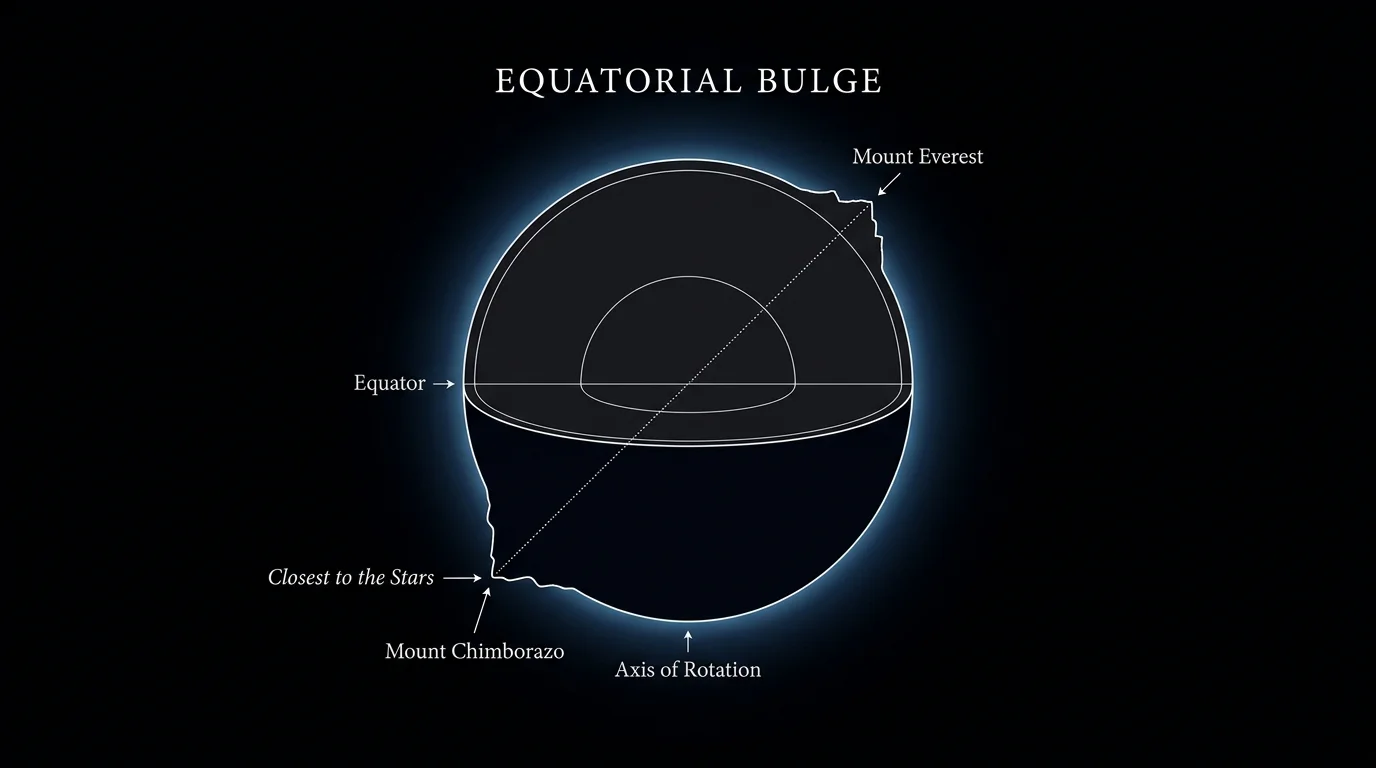
If you ask anyone to name the highest point on Earth, they will quickly point to the Himalayas. While Mount Everest holds the undisputed record for the highest altitude above sea level, it does not hold the title for the geographical point closest to space. Earth does not exist as a perfect sphere; it bulges at the equator due to the powerful centrifugal force of its rotation. Because of this equatorial bulge, the summit of Mount Chimborazo in Ecuador pushes further out into the exosphere. Chimborazo sits over a mile closer to the stars than Everest, making it the true peak of our planet when measured outward from the Earth’s core.
6. Deserts Are Dead, Useless Landscapes
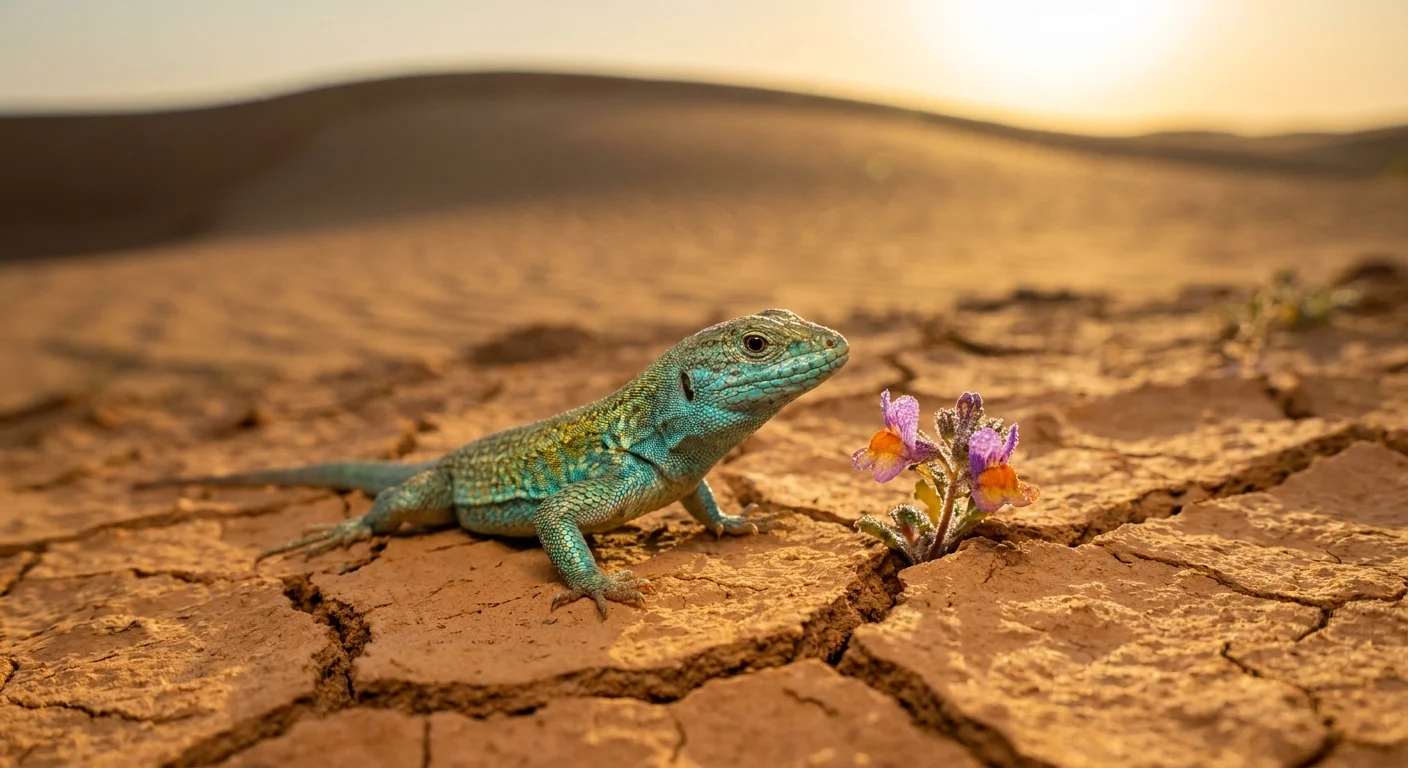
You likely picture vast deserts as barren, lifeless wastelands entirely void of ecological value. Science reveals a completely different planetary narrative. Deserts operate as vital nutrient engines that sustain ecosystems thousands of miles away. Every year, powerful trans-Atlantic winds sweep millions of tons of nutrient-rich dust from the Sahara Desert across the ocean. This massive, airborne dust cloud carries phosphorus and essential minerals that literally fertilize the Amazon basin. Without the dry, dusty expanses of northern Africa, the lush, green canopy of the South American rainforest would struggle to survive.
7. Climate Change Means Everything Just Gets Hotter
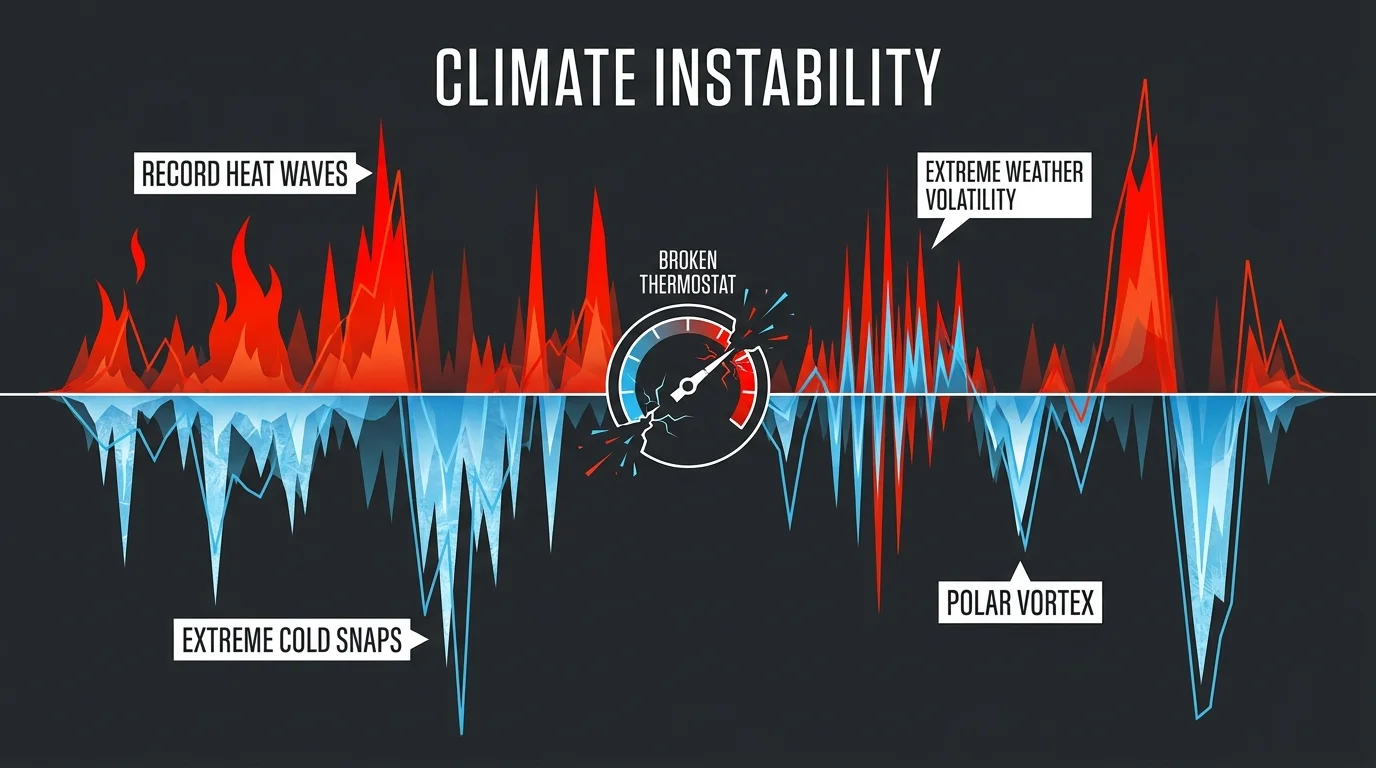
Skeptics often point to a freezing winter blizzard as undeniable proof that global warming is a fabricated hoax. The phrase “global warming” misleads the public by implying a gentle, uniform temperature increase across the globe. Climate change actually destabilizes historical weather patterns, injecting extreme volatility into the atmosphere. As the Arctic warms rapidly, the polar jet stream—a high-altitude band of strong atmospheric winds—becomes weak and deeply wavy. This erratic jet stream allows freezing arctic air to plunge southward, creating devastating cold snaps in regions completely unprepared for sub-zero temperatures. A warming ocean also evaporates more moisture, fueling heavier and more destructive snowstorms.
8. We Have Mapped the Entire Planet
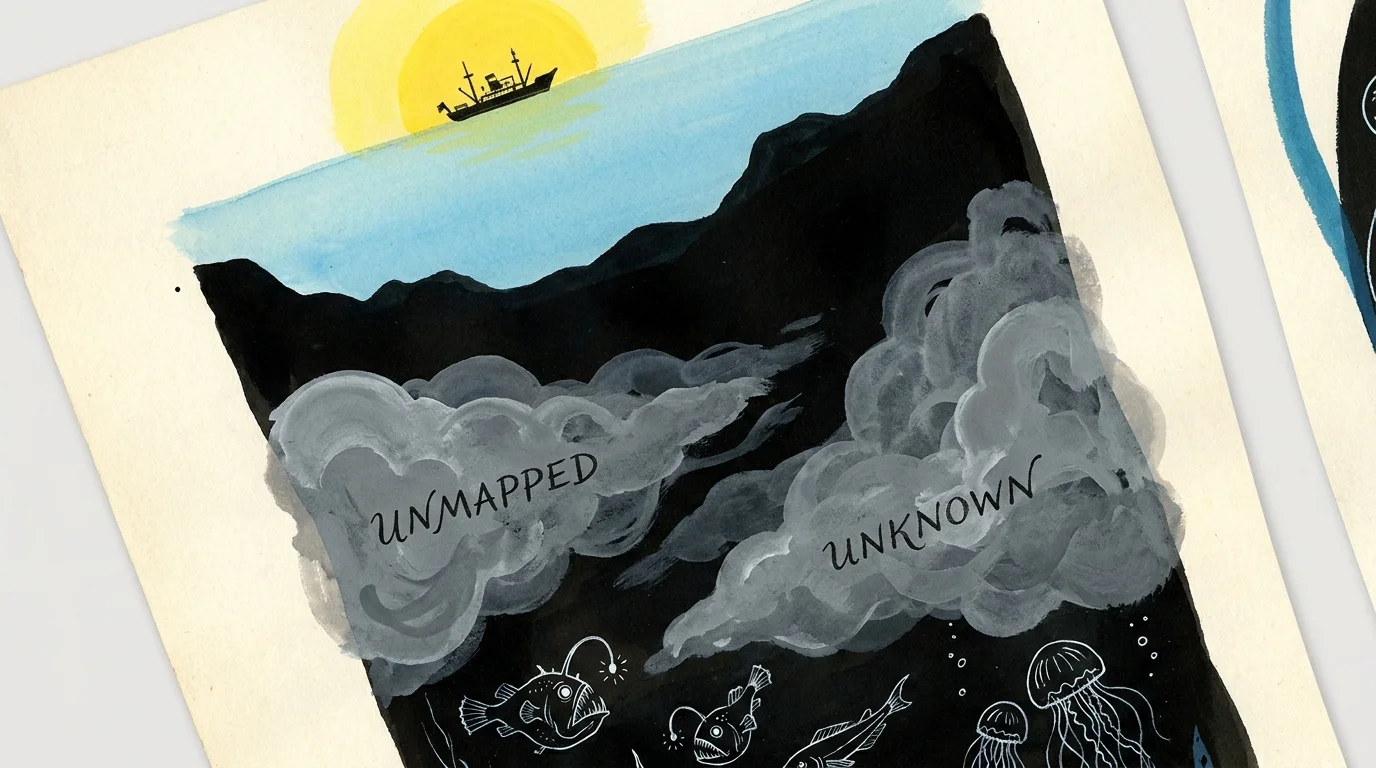
Humanity maps the intricate craters of Mars and the distant mountains of Venus with stunning precision, leading you to assume we know our own planet equally well. Yet, the deep ocean remains a vast frontier of darkness and mystery. We have mapped less than a quarter of the global seafloor at a high resolution. The deep sea harbors countless undiscovered species, massive underwater mountain ranges, and complex hydrothermal vent ecosystems that could unlock the secrets to early life on Earth. International scientific coalitions are racing to map the entire seabed by the end of the decade, recognizing this data as a crucial step for managing marine biodiversity and modeling global ocean currents.
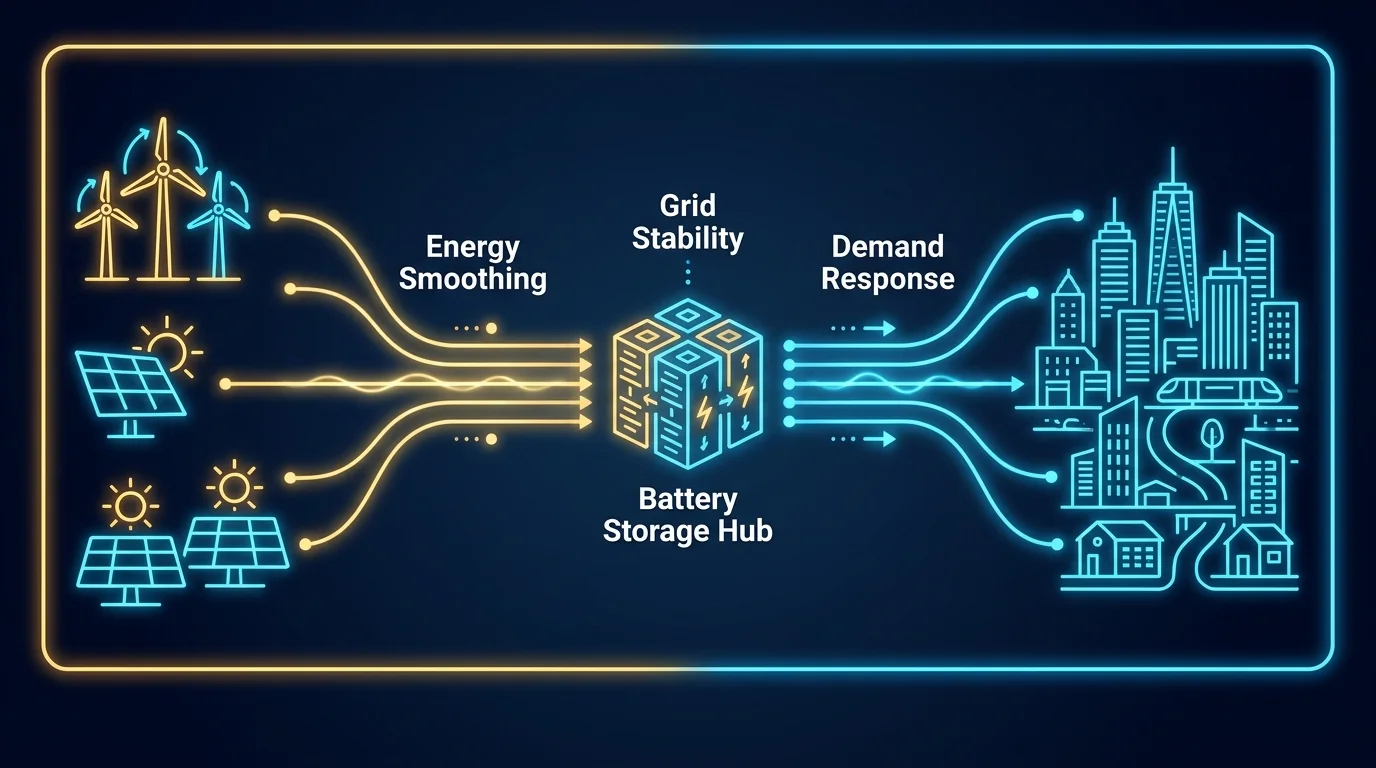
9. Renewable Energy Destabilizes the Power Grid
Critics of the energy transition frequently argue that solar and wind power are too unpredictable to maintain a reliable electrical grid, claiming the lights will go out when the sun sets. Modern energy infrastructure aggressively dismantles this outdated fear. Advanced smart grids integrate diverse renewable sources spread across massive geographic areas; a localized drop in wind is instantly offset by sunshine or hydro-power in another region. Furthermore, utility-scale battery storage and pumped hydro-electric facilities easily capture and store excess daytime energy for evening deployment. Phasing out fossil fuels relies heavily on strategic engineering and interconnected systems, not perpetual sunshine.
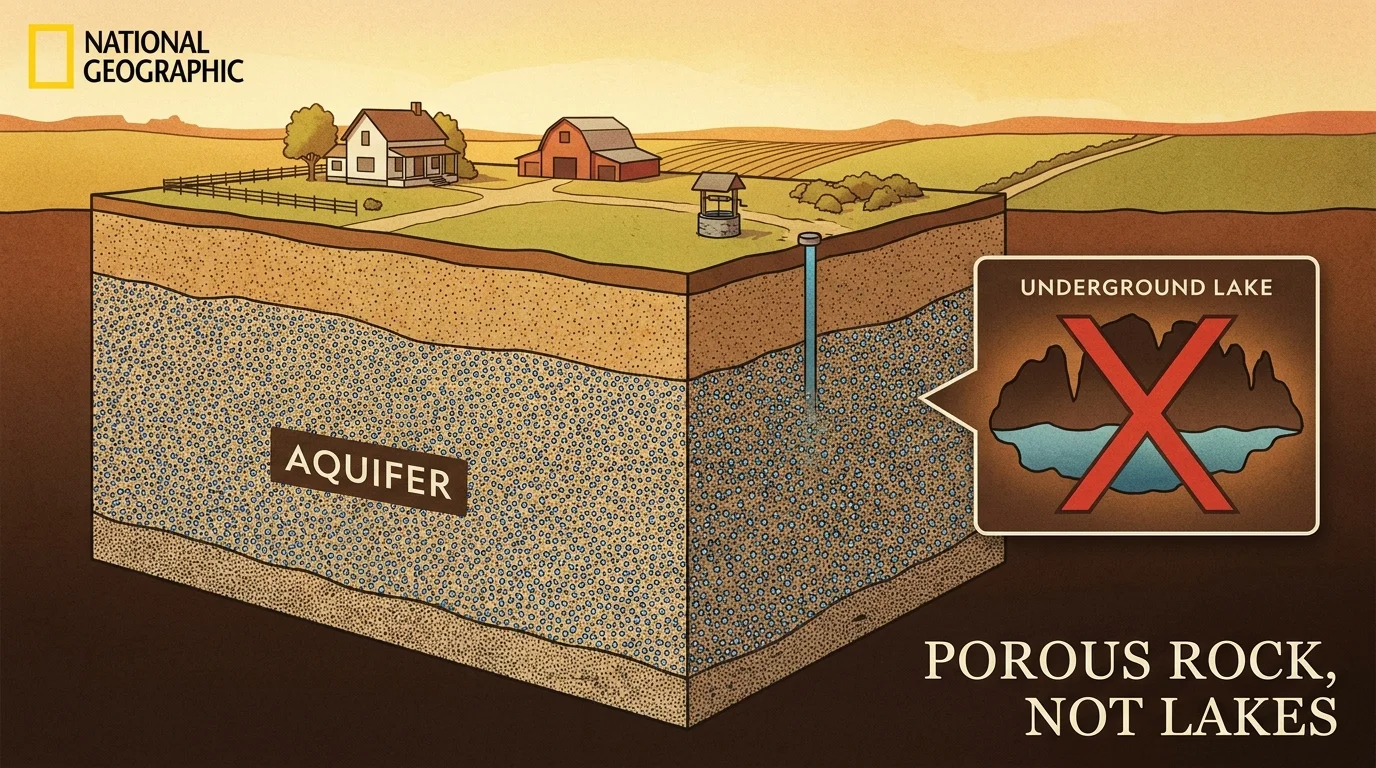
10. Groundwater Exists as Underground Lakes
When you hear the term aquifer or groundwater, you probably envision massive, cavernous underground lakes sloshing freely beneath the Earth’s crust. In reality, groundwater exists as moisture trapped within the tiny, microscopic pores of subterranean rock, sand, and gravel. We extract this hidden water by drilling deep wells that essentially suck moisture from these saturated geological sponges. Industrial agriculture currently pumps this water out far faster than natural rainfall can replenish it. When the water vanishes, the dry, porous rocks collapse under the immense weight of the earth above them, causing the ground to permanently sink—a highly destructive phenomenon known as land subsidence.
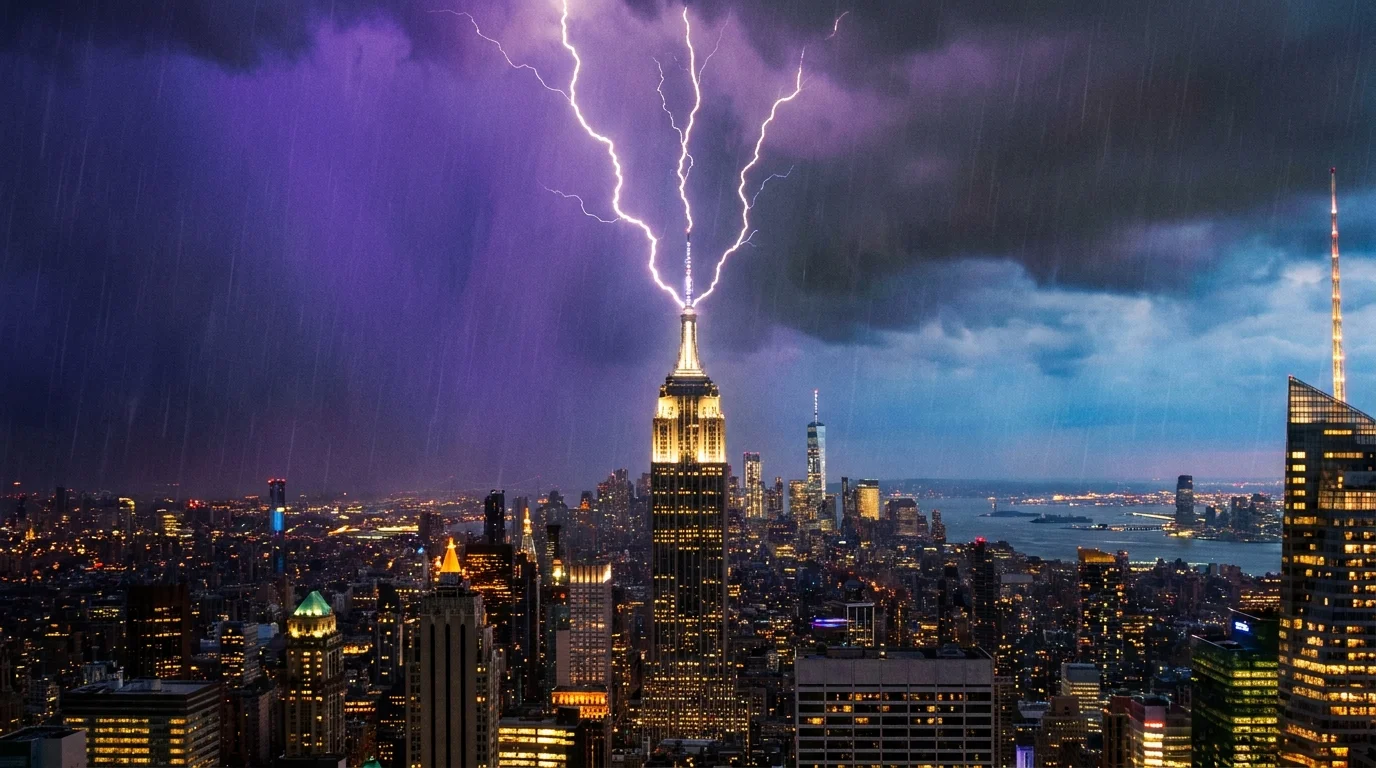
11. Lightning Never Strikes the Same Place Twice
The old adage insists that lightning never strikes the exact same place twice. Nature thoroughly defies this proverb during every major thunderstorm. Lightning actively seeks the path of least electrical resistance to the ground, meaning tall structures, isolated trees, and sharp mountain peaks attract highly repeated strikes. The Empire State Building takes dozens of direct lightning hits every single year. In places like Lake Maracaibo in Venezuela, unique atmospheric geography generates the Catatumbo lightning phenomenon, where localized storm systems hurl lightning bolts into the exact same water basin hundreds of times an hour for half the year.
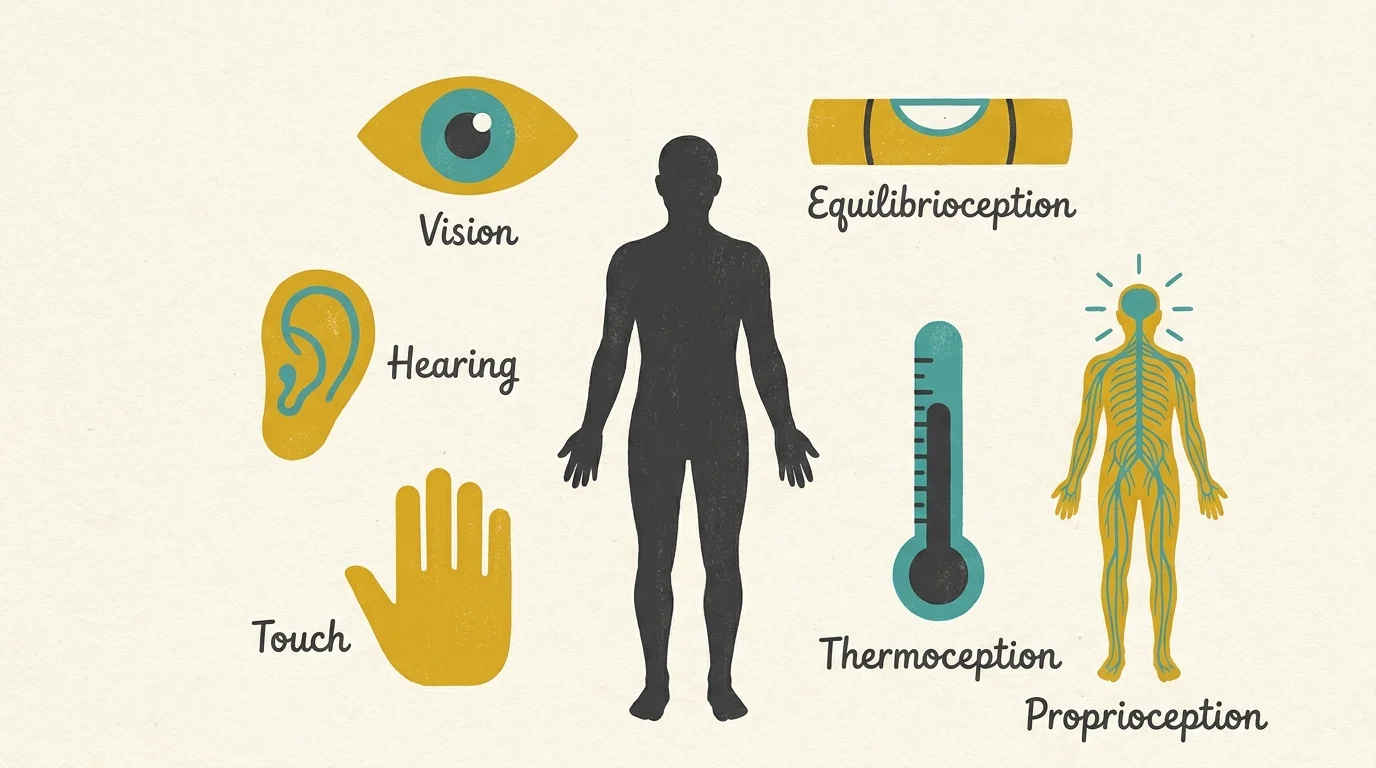
12. Humans Experience the World Through Five Senses
Since elementary school, you learned that humans navigate their environment using only five senses: sight, smell, hearing, taste, and touch. This extreme biological simplification ignores the brilliant array of environmental sensors your body actively uses to survive. You possess proprioception, the internal awareness of your body’s exact position in space, which allows you to hike rugged forest terrain without constantly staring at your feet. You also rely heavily on thermoception to detect dangerous shifts in ambient temperature, instantly triggering life-saving physiological responses like shivering or sweating. Acknowledging your full sensory toolkit highlights how intricately evolved you are to handle Earth’s shifting extremes.

Action Ideas for Earth Citizens
Transform Your Consumption Habits
Knowing that production drives emissions and pollution, you can directly intervene by changing how you buy. Prioritize purchasing durable, repairable goods rather than disposable items. Investigate the supply chain of the brands you support, and actively shift your spending toward companies demonstrating verified carbon reductions and circular manufacturing practices. Every dollar you spend casts a vote for the type of planetary ecosystem you want to sustain.
Support Scientific Literacy
Misinformation damages public support for critical environmental policies. You can combat this by sharing verified, peer-reviewed data with your community. When friends or family repeat common myths about climate change or renewable energy, gently introduce them to the actual mechanisms at play. Use real-world examples—like the wavy jet stream causing winter freezes—to help them grasp complex atmospheric science in highly practical terms.
Engage with Ocean Conservation
Since the ocean acts as our primary life-support system and remains largely unexplored, it requires urgent advocacy. You can support initiatives that fund marine protected areas and deep-sea mapping projects. Locally, reduce your urban runoff by minimizing the use of synthetic lawn fertilizers, which eventually wash into waterways and trigger toxic algal blooms that suffocate the vital oxygen-producing phytoplankton.
Frequently Asked Questions
Why do environmental myths persist for so long?
Myths endure because they offer simple, easy-to-digest narratives for incredibly complex planetary systems. It is much easier for the human brain to visualize an underground lake than to conceptualize microscopic water molecules trapped in porous bedrock. Furthermore, outdated science curricula in schools and sensationalized media headlines often repeat older assumptions without integrating new, sophisticated satellite data or modern ecological studies.
How can I verify scientific claims about the climate?
You can bypass secondary media sources and seek out the raw data provided by global scientific institutions. Organizations like NASA, the European Space Agency, and the National Oceanic and Atmospheric Administration publish easily accessible, public-facing dashboards. Whenever you encounter a shocking environmental claim, check if it cites a peer-reviewed journal or an established multinational scientific body before accepting it as absolute truth.
Will mapping the ocean floor disturb deep-sea ecosystems?
Modern seafloor mapping utilizes advanced, non-invasive sonar technologies mounted on autonomous surface vessels or specialized ships. These high-frequency sound waves scan the topography of the ocean floor without physically touching or damaging the fragile habitats below. In fact, mapping these zones is a crucial prerequisite for conservation; you cannot effectively protect deep-sea coral reefs or hydrothermal vents from industrial deep-sea mining if you do not know exactly where those ecosystems are located.
Does individual plastic reduction matter if recycling rates are so low?
Yes, individual reduction matters more than ever precisely because recycling systems are highly inefficient. When you refuse single-use plastics, you completely remove that item from the waste stream, guaranteeing it will never reach a landfill or the ocean. Wide-scale consumer reduction also sends powerful economic signals to massive corporations, forcing them to innovate alternative, biodegradable packaging solutions when demand for traditional plastics plummets.
Embracing Environmental Stewardship
Recognizing the intricate, often surprising realities of our planet equips you to be a much more effective advocate for its future. The Earth is not a collection of isolated features; it is a massive, interconnected breathing system where Saharan dust feeds distant jungles and microscopic ocean algae keep you alive. Take these facts, share them with your community, and let a deeper understanding of our world fuel your daily commitment to defending it.